

Knowing how to drain a water heater before winter is one of the most important home maintenance tasks you can do to protect your plumbing system. Sediment buildup inside the tank can reduce efficiency, cause strange noises, and even lead to premature failure. For homeowners in Minneapolis and surrounding areas, draining your water heater each year before the cold season helps ensure reliable hot water and lower energy costs.
Before you begin, here’s why this maintenance step matters:
- Improved efficiency: Flushing sediment helps your water heater heat water faster and use less energy.
- Longer lifespan: Removing buildup prevents corrosion and internal damage.
- Winter readiness: A clean system ensures steady hot water during the coldest months.
Let’s go step by step through how to properly drain your water heater and keep it in peak condition.
Why Draining Your Water Heater Matters
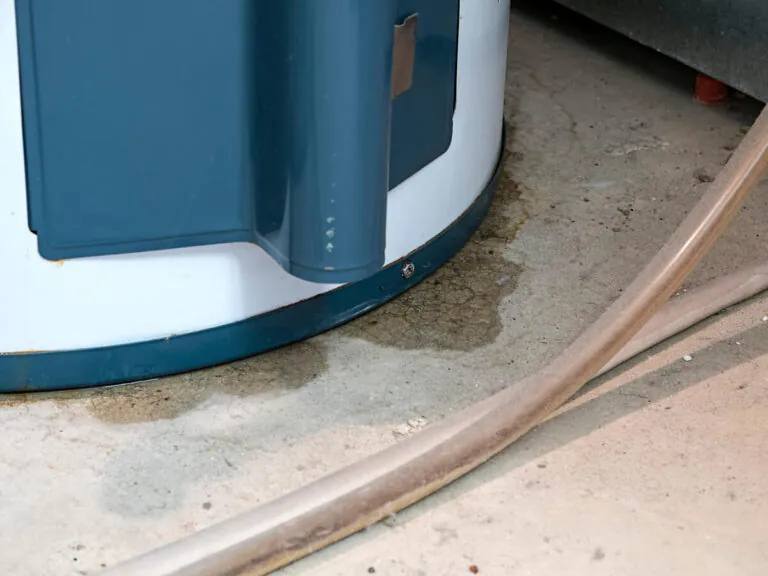
Over time, minerals in the water—like calcium and magnesium—settle at the bottom of your tank. This sediment acts as insulation, forcing your heater to work harder to maintain the right temperature. If ignored, the buildup can cause overheating, leaks, or even tank failure.
- Energy loss: Sediment forces the heating element to use more power.
- Uneven heating: You may notice water that turns cold faster than usual.
- Noisy operation: Popping or rumbling sounds often indicate excess buildup.
By draining your water heater once a year, you’ll remove these deposits and restore your unit’s efficiency.
Safety First: Preparing for the Task
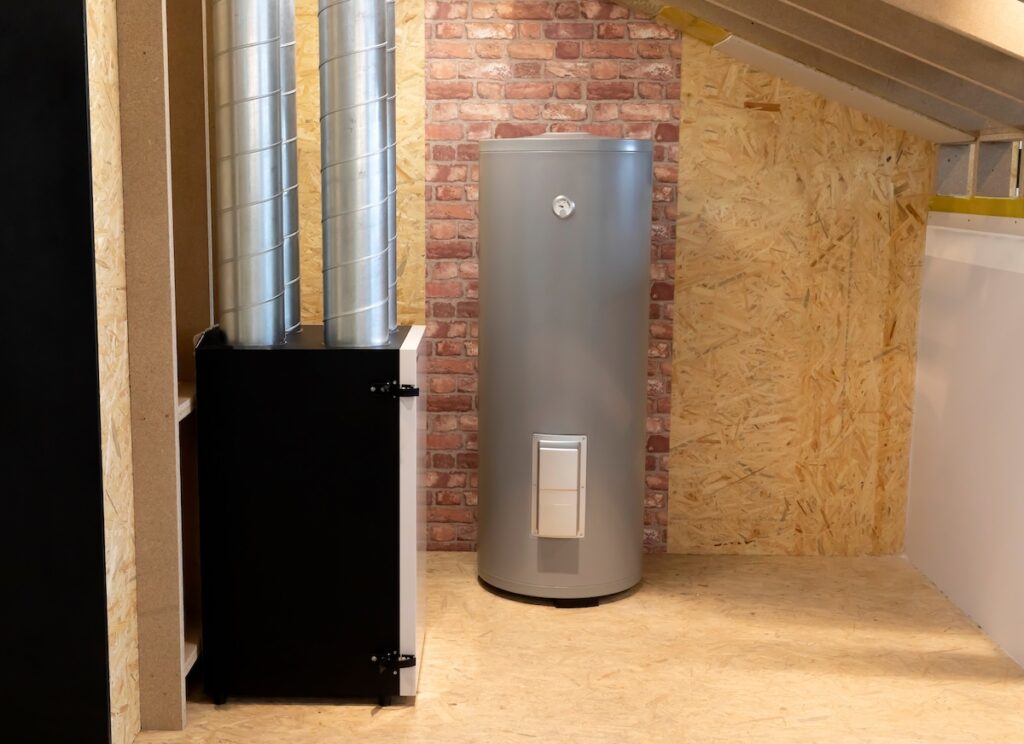
Before you start draining, take safety precautions to avoid burns, leaks, or damage to your system. Water heaters store very hot water and are connected to high-pressure plumbing lines, so preparation is key.
- Turn off the power: For electric units, switch off the circuit breaker. For gas models, turn the control knob to “pilot.”
- Shut off the cold water supply: Locate the valve at the top of the tank and close it to stop new water from entering.
- Allow the tank to cool: Wait at least 30 minutes to an hour before draining to prevent burns from hot water.
- Gather supplies: You’ll need a garden hose, a bucket, and possibly a wrench for stubborn valves.
Once everything is set, you can safely move on to draining the tank.
6 Steps to Drain a Water Heater Before Winter
Draining your water heater doesn’t take long, but doing it correctly helps prevent messes and ensures a thorough flush. Follow these six easy steps:
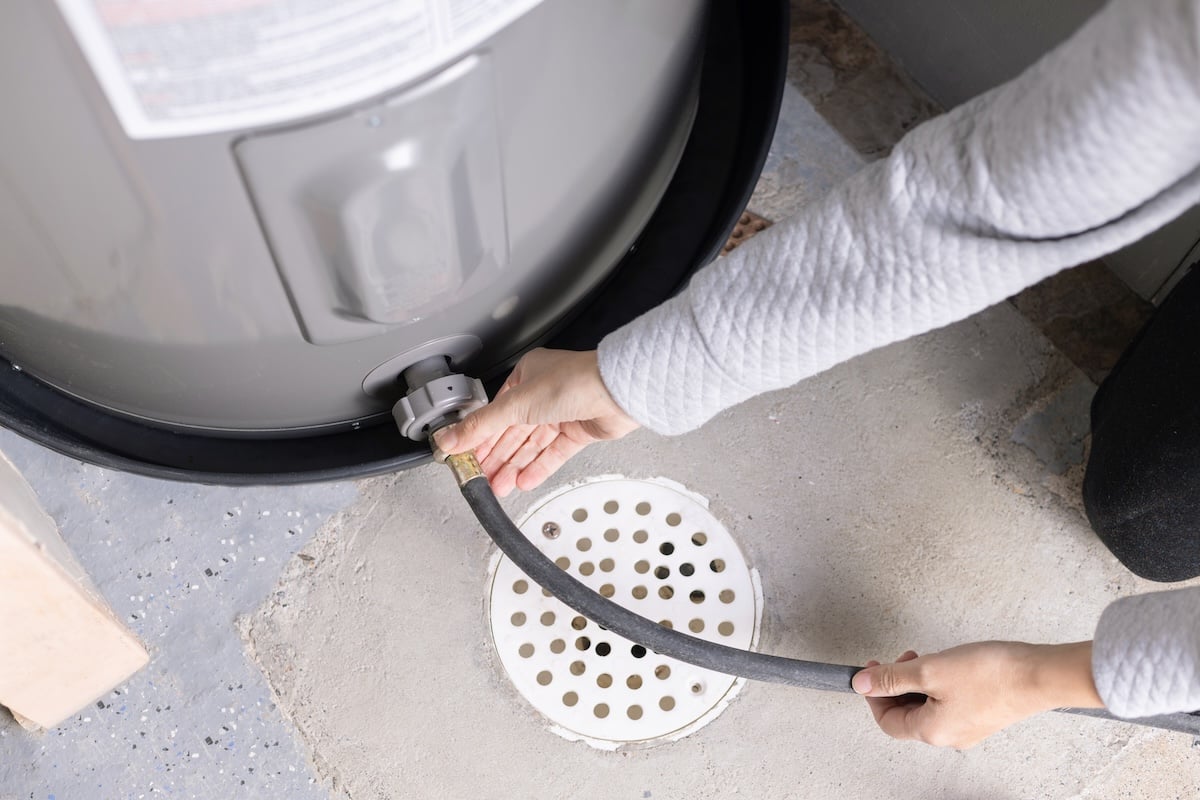
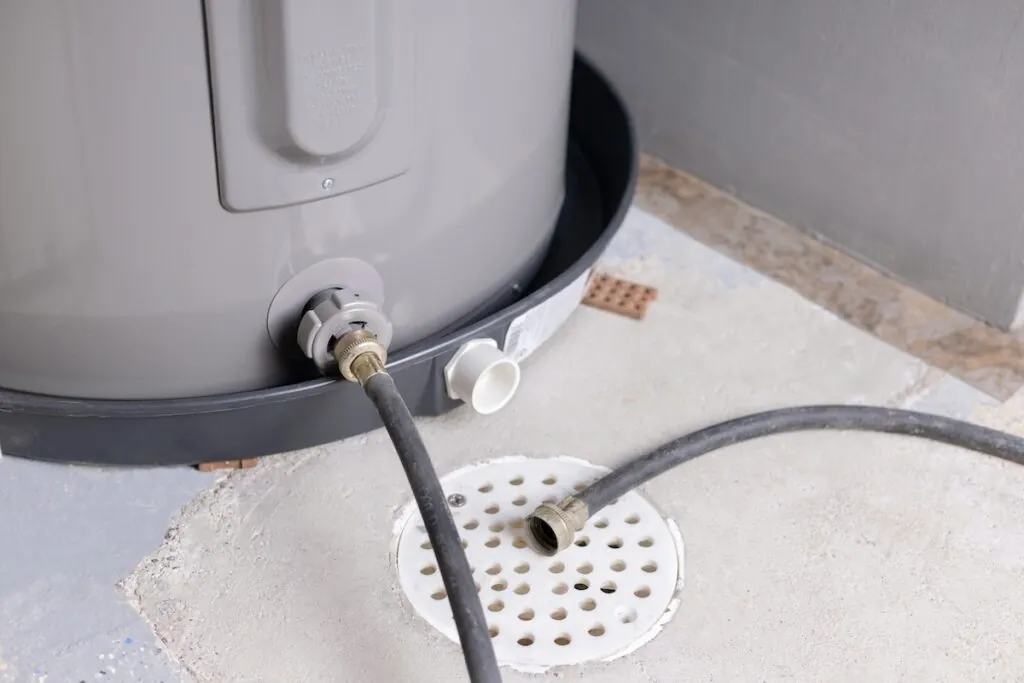
1. Attach a Garden Hose to the Drain Valve
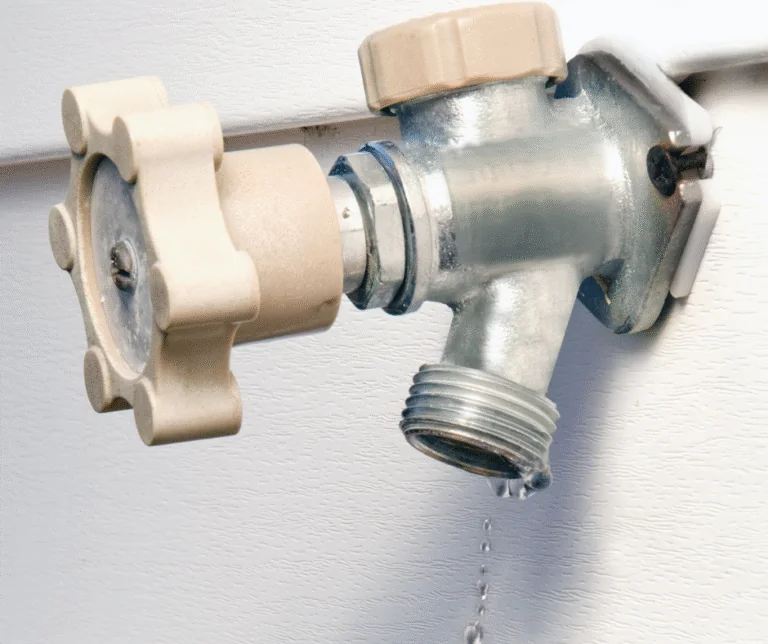
Locate the drain valve near the bottom of your water heater. Attach a standard garden hose securely to the outlet and run the other end to a nearby floor drain, sump pit, or outdoors where water can safely flow.
- Secure the connection: Tighten the hose to avoid leaks.
- Position the hose properly: Gravity will do most of the work, so keep it lower than the drain valve.
Avoid draining onto grass or pavement in freezing weather, as the water may freeze and create slippery conditions.
2. Open a Hot Water Faucet
Next, open one hot water faucet in your home, preferably on the upper floor. This step relieves pressure in the tank and allows air to enter, helping the water flow out smoothly.
- Pressure release: Prevents airlocks that can slow draining.
- Indicator check: You’ll know the tank is empty when the faucet stops running.
This simple step ensures consistent drainage throughout the process.
3. Open the Drain Valve
Now it’s time to begin draining. Slowly open the drain valve at the base of the tank to let the water flow out through the hose. Be cautious—some older valves may stick or leak slightly.
- Monitor the flow: Initial water may appear cloudy or contain sediment.
- Use a bucket if needed: For small discharges or indoor systems without a floor drain, control the flow manually.
Let the tank drain completely before moving on to flushing out any remaining sediment.

4. Flush the Tank with Fresh Water
Once the tank is mostly empty, turn the cold water supply back on briefly to flush out leftover sediment at the bottom. Let the water run for several minutes until it appears clear.
- Improves cleanliness: This step removes fine mineral debris that can build up again quickly.
- Check for leaks: While flushing, look around the valve and connections for any drips.
This rinse helps restore your water heater’s efficiency and prevents noise or heating issues later.
5. Close the Valve and Refill the Tank
When the water runs clear, close the drain valve tightly and disconnect the hose. Then, reopen the cold water supply valve to refill the tank. Keep the hot water faucet open until water flows steadily again—this ensures all air has escaped from the system.
- Refill slowly: Filling too quickly can stir up leftover sediment.
- Inspect for leaks: Check the valve and connections as the tank refills.
Once the tank is full and air is purged, you can safely restore power.
6. Turn the Power or Gas Back On
Finally, turn the circuit breaker back on for electric units, or switch your gas control knob back to “on.” Wait 30 to 45 minutes for the water to reheat before checking the temperature.
- Ideal temperature: Set the thermostat to around 120°F to balance comfort and safety.
- System check: Run a few faucets to confirm consistent hot water delivery.
With the process complete, your water heater is clean, efficient, and ready for the winter season.
How Often Should You Drain a Water Heater?
In most homes, draining once per year is sufficient. However, if you live in an area with hard water—common in Minneapolis and surrounding areas—you may need to flush it twice a year. Regular draining prevents scaling and helps maintain optimal performance.
- High mineral content: Hard water accelerates sediment buildup.
- Age of the system: Older tanks tend to accumulate sediment faster.
- Usage frequency: Homes with large families or high hot water demand benefit from more frequent maintenance.
Routine flushing keeps your system running efficiently and extends its lifespan by several years.
Signs It’s Time to Drain Your Water Heater
Even if you’re unsure when your tank was last serviced, certain signs can indicate it’s time for maintenance:
- Rumbling or popping noises: Trapped sediment makes these sounds during heating cycles.
- Cloudy or rusty water: Discolored water often means corrosion or buildup inside the tank.
- Reduced hot water: Sediment displaces space in the tank, limiting water capacity.
- Fluctuating temperature: Uneven heating can result from clogged heating elements or sediment layers.
Addressing these symptoms promptly helps prevent costly damage and ensures dependable hot water throughout winter.
Professional Water Heater Maintenance
While many homeowners can safely drain their own water heater, professional service ensures the job is done completely and correctly. A licensed technician can inspect key components that may not be visible or accessible during a DIY flush.
- Full system check: Includes thermostat calibration, valve testing, and safety inspections.
- Anode rod inspection: This rod prevents corrosion but wears out over time and may need replacement.
- Leak detection: Technicians spot early signs of rust, cracks, or faulty seals.
Genz-Ryan’s trained plumbers perform thorough maintenance services to ensure your water heater runs safely and efficiently through every Minnesota winter.
Keep Your System Winter-Ready with Genz-Ryan
Understanding how to drain a water heater before winter helps you maintain comfort, save energy, and avoid costly repairs. By removing sediment and inspecting your system annually, you can extend its lifespan and keep your water heating efficiently when you need it most.
If you’d prefer professional help, the experts at Genz-Ryan are ready to assist. We specialize in water heater maintenance, repair, and replacement for homeowners in Minneapolis and surrounding areas, ensuring your system stays in top shape year-round.
Stay warm and worry-free this winter—contact Genz-Ryan today to schedule your water heater maintenance or request a free quote.