We are Open 24/7!





When winter hits Minneapolis, and summer humidity settles over the Twin Cities, one system does not always provide your home with the best balance of comfort and efficiency. Hybrid heating and air conditioning pairs an electric heat pump with a gas furnace, providing your home with efficient heating in milder weather, dependable furnace heat in deep cold, and steady cooling in summer.
Genz-Ryan has helped Twin Cities homeowners since 1950 choose HVAC systems that fit the way Minnesota homes actually perform. Our licensed HVAC technicians review your current equipment, ductwork, airflow, comfort concerns, and energy goals before recommending a hybrid setup.
If you are comparing heat pumps, furnaces, or full HVAC replacement options, schedule your service today and find out if hybrid heating and air conditioning is the right fit for your home.
What Is Hybrid Heating and Air Conditioning?
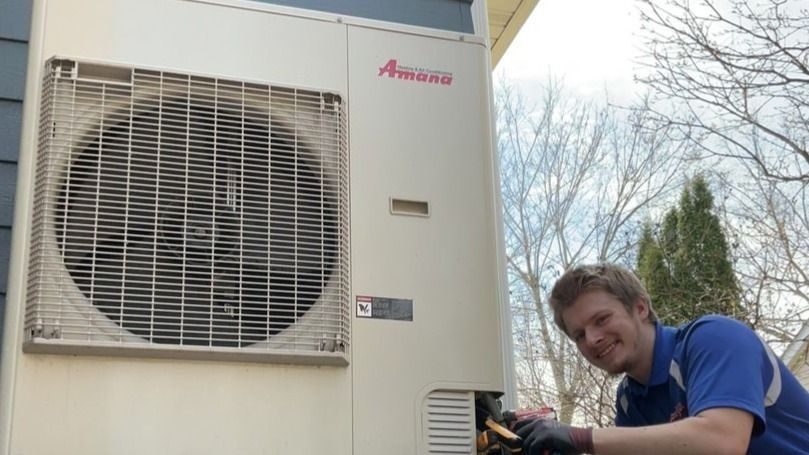
Hybrid heating and air conditioning combines a heat pump and a gas furnace into one coordinated heating and cooling system. The heat pump provides cooling in summer and efficient heating during milder weather. When outdoor temperatures drop and your home needs stronger heat, the gas furnace takes over.
This setup is also called hybrid HVAC, dual-fuel HVAC, or a heat pump and furnace system. The goal is simple: use the most efficient heating source for the weather outside while keeping your home comfortable inside.
- Heat Pump: Provides cooling in summer and efficient heating during milder fall, winter, and spring weather.
- Gas Furnace: Delivers dependable heat during the coldest Minnesota days when furnace backup is the better option.
- Smart Thermostat Controls: Helps the system switch between heat pump and furnace operation based on outdoor temperature and comfort settings.
- Shared Ductwork: In many homes, the system uses existing ductwork to move conditioned air through the house.
- Coordinated Performance: Proper equipment matching, airflow setup, and thermostat calibration help both systems work together correctly.
Hybrid heating and air conditioning is not just a heat pump added to a furnace. The equipment needs to be sized, connected, tested, and controlled properly for reliable comfort and efficiency.
Benefits of Hybrid Heating and Air Conditioning
Hybrid heating and air conditioning is a strong option for Minnesota homeowners who want improved energy efficiency without sacrificing cold-weather performance. Instead of relying on one piece of equipment all year, your system uses the heat pump when conditions are moderate and the furnace when temperatures drop hard.
- Lower Operating Costs: The heat pump can handle a large share of heating during milder weather, which may reduce fuel use and help control monthly utility bills.
- Better Winter Comfort: On extremely cold days, the gas furnace takes over, delivering strong, reliable heat for your home.
- Year-Round Efficiency: The heat pump cools in summer and heats in milder seasons, helping a single high-efficiency system do more of the work.
- Longer Equipment Life: Because the workload is shared between two systems, major components may experience less strain over time.
- Smarter Performance: Modern thermostats, controls, and matched equipment settings help the system switch modes at the right time.
- Flexible Comfort: Hybrid systems can be a good fit for homes where a heat pump alone may not provide enough confidence during severe cold.
That balance matters in the Twin Cities, where a 45-degree fall day and a subzero January morning ask very different things of your HVAC system.
Is Hybrid Heating and Air Conditioning Right for a Minnesota Home?
Many homeowners ask if a heat pump alone is enough for Minnesota. Sometimes it can be, but the right answer depends on your home’s insulation, ductwork, heating load, layout, and comfort expectations during extreme cold.
Hybrid heating and air conditioning may be worth considering if your home has:
- High Winter Heating Demand: Larger homes, older homes, or homes with heat loss may benefit from furnace backup.
- Aging Furnace or AC Equipment: If both systems are nearing replacement, a hybrid HVAC installation may be a smart upgrade path.
- Rising Energy Bills: A heat pump can help reduce reliance on furnace heat during milder parts of the season.
- Uneven Comfort: Proper sizing, airflow setup, and updated controls can help reduce temperature swings.
- Existing Ductwork: Homes with usable ductwork may be good candidates for a central hybrid system.
- Interest in Electrification: Hybrid HVAC lets homeowners use electric heat pump technology while keeping gas furnace support for deep cold.
Genz-Ryan will walk you through the tradeoffs, including upfront cost, efficiency, comfort, equipment compatibility, and long-term performance.
Our Hybrid Heating and Air Conditioning Installation Process
Hybrid heating and air conditioning installation starts with understanding your home, not guessing at equipment. A system that looks good on paper still needs the right sizing, airflow, ductwork, controls, and backup heat strategy to perform well in Minnesota weather.
Before recommending equipment, our technicians review your current furnace, air conditioner, ductwork, thermostat, electrical setup, airflow, insulation, and comfort concerns.
- Home Comfort Assessment: We look at how your home heats, cools, and holds temperature through changing seasons.
- Equipment Sizing: We recommend heat pump and furnace equipment based on your home’s heating and cooling needs.
- Ductwork and Airflow Review: We check whether your existing ductwork can support the system’s performance.
- Thermostat and Control Planning: We set up controls so the system can properly switch between heat pump and furnace operation.
- Electrical and Refrigerant Setup: We handle the electrical, refrigerant, outdoor unit, indoor coil, and connection requirements.
- Furnace Integration: We install or connect the furnace component of the system to provide reliable backup heat.
- System Testing: We test heating, cooling, airflow, safety controls, thermostat communication, and system changeover before the job is complete.
Most hybrid heating and air conditioning installations involve removing or integrating existing equipment, setting the outdoor heat pump, connecting refrigerant lines, checking airflow, testing electrical components, and calibrating the thermostat. We explain the scope before work begins so you know what to expect.
What Affects Hybrid Heating and Air Conditioning Cost?
The cost of hybrid heating and air conditioning installation depends on your home, current equipment, and system design. A straightforward replacement is different from a project that requires ductwork changes, electrical upgrades, or new furnace integration.
Common cost factors include:
- Equipment Size: Larger homes or homes with higher heating and cooling demand may need larger equipment.
- Efficiency Ratings: Higher-efficiency heat pumps and furnaces can affect upfront cost and long-term energy use.
- Ductwork Condition: Leaky, undersized, or poorly designed ductwork may need updates for the system to perform correctly.
- Electrical Requirements: Heat pumps may require electrical work depending on the existing setup.
- Thermostat and Controls: Hybrid systems require compatible controls to manage the changeover between the heat pump and the furnace.
- Furnace Compatibility: Some homes may be able to pair a heat pump with an existing furnace, while others need a full system replacement.
- Installation Access: Tight spaces, finished areas, or difficult equipment locations can affect labor and project scope.
Genz-Ryan provides clear recommendations and upfront pricing so you understand what is included before installation begins.
Hybrid Heating and Air Conditioning Maintenance
Hybrid heating and air conditioning work in more than one season, so regular maintenance matters. The heat pump handles both heating and cooling, while the furnace needs to be ready when outdoor temperatures fall.
Routine service helps maintain efficiency, reduce wear, and catch small issues before they become comfort problems.
- Heat Pump Maintenance: Helps check refrigerant levels, coils, electrical components, outdoor unit condition, and heating and cooling performance.
- Furnace Maintenance: Helps check burners, safety controls, ignition, venting, airflow, and overall heating operation.
- Thermostat Testing: Confirms that the system correctly switches between heat pump and furnace operation.
- Airflow Checks: Helps identify restrictions that can reduce comfort and strain the equipment.
- Filter Changes: Clean filters support better airflow and system performance.
- Outdoor Unit Care: Keeping the heat pump clear of leaves, snow, and debris helps support reliable operation.
Homeowners can safely change filters and keep the outdoor unit clear. Refrigerant charging, combustion testing, control wiring, electrical work, and equipment matching should always be handled by licensed HVAC professionals.
Discover the Genz-Ryan Difference
Experience the trusted service, expert workmanship, and customer-first care that have made Genz-Ryan a Twin Cities favorite since 1950.
The Genz-Ryan Difference
Choosing hybrid heating and air conditioning is a bigger decision than replacing a thermostat or fixing a single part. You want a company that understands heat pumps, furnaces, airflow, controls, and how Minnesota weather affects real homes.
Genz-Ryan has been family owned since 1950, and our team helps homeowners compare system options with clear recommendations and no pressure.
- Family-owned since 1950
- Licensed HVAC technicians
- Same-day service and installation guaranteed
- 24/7 emergency HVAC support
- LIFETIME Guarantee for added peace of mind
- 4.7 stars based on 8094 reviews
- Better Business Bureau Torch Award for Business Ethics
- Financing options available
- No breakdown guarantee powered by HomePulse
We inspect your current system, explain your options, and help you decide whether hybrid HVAC installation makes sense for your comfort goals, budget, and home layout.
Schedule your service today and let Genz-Ryan help you build a hybrid HVAC system that fits your home and Minnesota’s changing seasons.

$697 Off
New Garage Heater
Contact Us
Frequently Asked Questions
Frequently Asked Questions
Our Awesome Reviews
See Why Homeowners Choose Genz-Ryan
Ben Burnes
3 days ago

Our AC died during the hottest week in Summer of 2022. I called CenterPoint for service and they said they'll get to me in two weeks. I called Genz-Ryan on a recommendation from my in-laws and they had someone out the next morning helping me sort out what to do next. They are extremely prompt and professional. Every tech I worked with explained what they were doing and kept me informed on every step of the process. They might not be the cheapest company to go with, but if you want something done right, they seem like the correct company :)
Update for 2024- Had some extensive plumbing work done to fix some incredibly wild decisions the prior owner had made. Also replaced the water heater and softener. This was a multi-day project, but the crew was incredibly friendly and considerate. Everything has been running smoothly since!
Update for 2026- Had some plumbing work done this week and Jacob was phenomenal. Both with answering all my questions and explaining every step of the way. He was very considerate to keep certain doors closed as to not let cats in the basement or out of the house and his persistence to get everything done on the same day and not stretch the project into the weekend (probably for both our sakes :).
Genz remains to be a fantastic company to work with. Again, their prices are a big higher, but the quality they provide and commitment they have to maintaining that quality if something goes wrong is second to none.
Ryan L assisted with cleaning out our vents Nov 2026, he was super helpful and patient. Kept me informed every step of the way and also allowed us to move the cats between rooms. Thanks Ryan!
Teresa Pfannsmith
3 days ago
Steffon did an exceptional job in challenging conditions with cluttered surroundings to rid cement laundry tub & install a new tub with new fittings when he was here to specifically to deal with main shut off per Minnetonka’s requirement. Always pleasant.
Dix&Stephen Brachlow
3 days ago
Francisco and Angel and Jacob all worked exceedingly well! Thanks!
Kevin Johnson
3 days ago
Damien Wendt was great. Informative and thorough.
Gloria Rose
3 days ago
Nawaf did fantastic work. Give the young man a raise.
Darin Carr
3 days ago
Great job! Excellent professional team who made certain everything worked to our satisfaction. The work required a followup visit which was completed with priority (next morning service). Jeremy and Kurtis are top notch skilled tradesmen, and kind and considerate guests in our home.
Highly recommended!
Highly recommended!
Krystle Sauer
3 days ago
Super helpful patient and knowledgeable
Denise Dohrmann
3 days ago
The plumber Eulises Lagunas was very knowledgeable, courteous and answered all of our questions. He gave us excellent service. He explained the plumbing issues and options. The work will be major and costly but we trust him and Genz-Ryan.
9Line Studio
3 days ago
Michael was the electrician that came out didn’t inspection. It was very thorough. He was very informative very friendly. Excellent customer service
Andrew Hamilton
3 days ago
Ryan A. arrived to issue the quote that we requested to have our water heater replaced along with a non-functional water softener. Although it was not "cheap" by some standards, the service and overall quality of product, workmanship, and installation were top-tier. We are replacing previous owners quick fixes. When we do, it's to the highest level. Ryan covered everything that we had questions on, and was great to work with.
D'Ann Bagan
3 days ago
Great experience with Dylan and Mike! Really nice guys and took lots of time explaining the “what and why” we needed to make the best decision for our home.
Andrew Hamilton
3 days ago
Shea (our installation technician) was awesome. He arrived early, and had a new water heater and softener completely replaced, and various other mechanical room adjustments done by 3:00 PM. Outstanding service without a doubt - especially because the mechanical room in our home is packed tight like a sardine can !
Ben Burnes
3 days ago
Joe L was fantastic and helped with a bunch of random problems found in our house. Was efficient and communicated through the whole process. Thanks so much!
diane sheats
3 days ago
Francisco and Jacob did a excellent job, very easy to work with.
Gordon Farrington
3 days ago
Very professional, worked clean and neat .
Trish Shirk
3 days ago
I have used Genz Ryan four times and have always had a good experience. Pricing is always fair. I like that I can text to set up appointments and check on when a technician will arrive.
Ryan did an amazing job. Great communication.
Ryan did an amazing job. Great communication.
Kevin Wallenberg
3 days ago
Levi stopped over this weekend to diagnose an issue with our furnace. He was able to quickly diagnose a faulty modulating gas valve. Unfortunately, he had to order the part, but clearly communicated the issue and scheduled the replacement within 2 days. Levi provided outstanding service and I trust the new valve will last considerably longer. Thanks, Levi! I appreciate you helping keep our house warm as the Minnesota season turns colder.
Jessika Brustuen
3 days ago
Ben was amazing in troubleshooting and fixing our thermostat. He was so personable, knowledgeable, and helpful. Great experience and will definitely contact this company for any future issues that arise.

Reviews Summary
Customers consistently praise the team's exceptional knowledge, professionalism, and communication throughout every interaction—from initial estimates through installation and repairs. The technicians are recognized for explaining complex issues and solutions in clear, understandable terms, staying on time, working efficiently, and going above and beyond to ensure customer satisfaction, whether addressing urgent problems like gas leaks and clogged drains or managing larger projects like furnace and air conditioning installations. Many customers express such strong loyalty that they commit to calling back for future needs and recommend the service to others.
0
Google Rating
0
Total Reviews
The Genz-Ryan Difference
Experience the trusted service, expert workmanship, and customer-first care that have made Genz-Ryan a Twin Cities favorite since 1950.

