We are Open 24/7!




4.7
Google Rating
Emergency Plumbing: 6 Things To Do Before Help Arrives



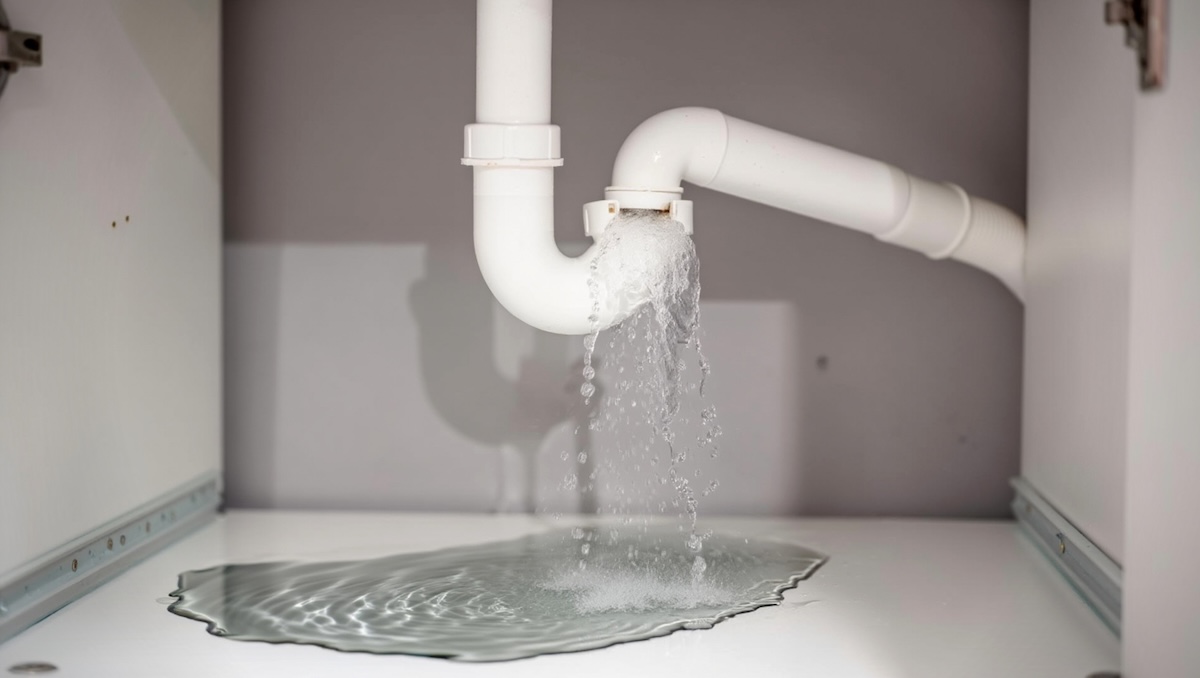
When faced with a sudden water leak, burst pipe, or backed-up drain, knowing how to handle emergency plumbing situations can make all the difference. Quick action can help minimize water damage, protect your home, and make the repair process faster once professionals arrive. For homeowners in Bloomington and surrounding areas, understanding what to do during a plumbing emergency ensures safety and reduces stress when time matters most.
Before diving into the specific steps, here’s why early intervention is so important:
- Prevent structural damage: Stopping water flow quickly protects flooring, walls, and furniture.
- Reduce repair costs: Acting fast minimizes the extent of damage before the plumber arrives.
- Ensure safety: Turning off utilities helps prevent electrical hazards and contamination.
Let’s look at the most important things you can do while waiting for your plumber to arrive.
6 Things To Do Before Help Arrives
When a plumbing emergency strikes, every second counts. Acting quickly can prevent water damage, protect your belongings, and make it easier for professionals to complete repairs once they arrive. The following six steps will help you stay calm, reduce risks, and take control of the situation before your plumber gets there.
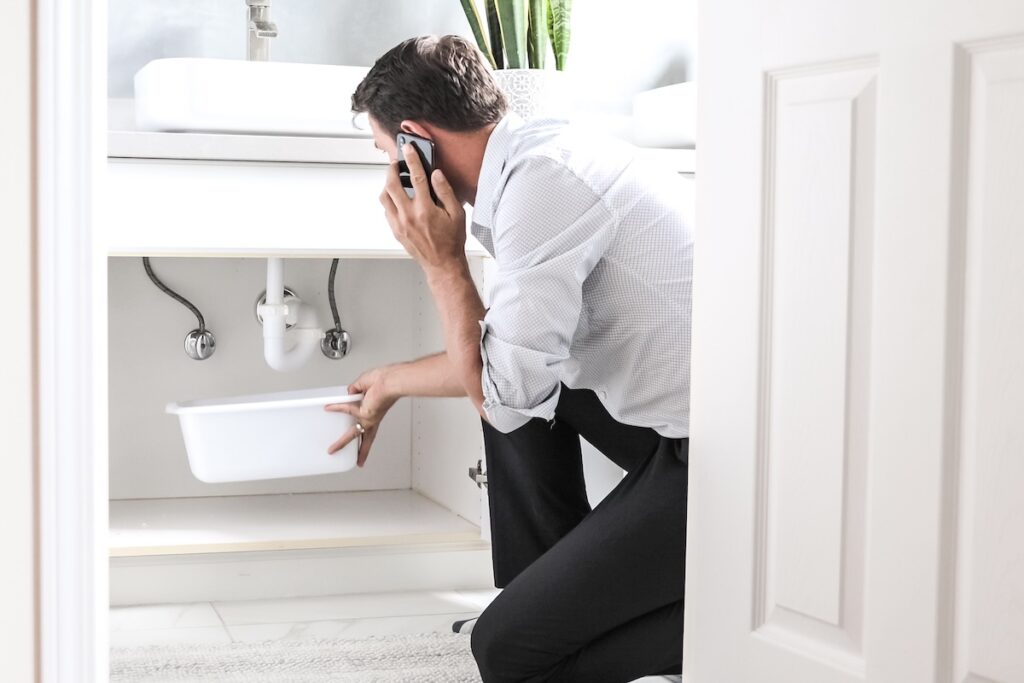
1. Shut Off the Water Supply
Your first step in any plumbing emergency should be to stop the flow of water. This prevents further flooding and gives you time to assess the situation safely.
- Locate the main shut-off valve: Usually found in the basement, utility room, or near the water meter.
- Turn clockwise: Closing the valve will stop water from entering your home’s plumbing system.
- Isolate smaller leaks: For minor issues, shut off the valve closest to the problem area.
If you’re unsure where your main shut-off valve is, take time to locate it now—before an emergency happens. Knowing its location can save valuable minutes later.
2. Turn Off Electricity If Water Is Near Outlets
Water and electricity are a dangerous combination. If the leak is near electrical outlets, lights, or appliances, shut off your home’s power immediately to prevent shock hazards.
- Use caution: Do not touch electrical equipment if water is already present.
- Flip the breaker switch: Turn off power to affected areas at your home’s electrical panel.
- Wait for professionals: Allow licensed plumbers and electricians to inspect the damage safely.
Safety always comes first, even before cleanup or repair efforts begin.
3. Drain Excess Water and Relieve Pressure
Once the water supply is off, open faucets and drains to empty the remaining water from your pipes. This reduces internal pressure and helps prevent additional leaks.
- Open faucets: Start with lower-level sinks and tubs to help gravity pull water downward.
- Flush toilets: Removes water from tanks and lines to avoid overflow.
- Use buckets or towels: Collect any standing water to limit floor damage.
Draining excess water gives plumbers a clearer workspace and reduces the chance of further pipe bursts.
4. Identify and Contain the Source
Try to pinpoint where the leak or clog is coming from so you can take immediate containment steps. Even if you can’t fix the problem, you can help prevent it from spreading.
- Look for visible leaks: Check under sinks, behind toilets, and around appliances.
- Contain with towels or buckets: Absorb or catch dripping water to limit damage.
- Avoid using fixtures: Refrain from running faucets or appliances until repairs are complete.
If the issue is a sewer backup, avoid contact with the water, as it may contain harmful bacteria.
5. Protect Valuable Belongings and Furniture
Move items away from affected areas as soon as possible to prevent further damage.
- Lift furniture: Use wood blocks or tinfoil under furniture legs to keep them dry.
- Remove electronics: Unplug and relocate devices away from water-prone areas.
- Clear rugs and fabrics: These materials absorb moisture quickly and may develop mold.
Quickly protecting your belongings not only saves money on replacements but also speeds up the drying process after repairs.
6. Call a Licensed Emergency Plumber
Once you’ve taken immediate action to control the situation, contact a licensed plumber for professional help. In the Twin Cities, response time matters, especially when pipes burst during freezing temperatures.
- Provide details: Explain the nature and location of the problem when calling.
- Ask about response time: Many plumbing companies, including Genz-Ryan, offer 24/7 emergency service.
- Follow instructions: Technicians may give you specific steps to take while waiting for arrival.
When you choose a reputable company like Genz-Ryan, you can expect quick dispatch, transparent pricing, and professional-grade repairs that restore safety and functionality to your home.
Common Types of Plumbing Emergencies
While no two plumbing emergencies are exactly alike, certain issues occur more frequently—especially during Minnesota winters. Recognizing these can help you prepare and respond effectively.
- Burst pipes: Caused by freezing water expanding inside pipes.
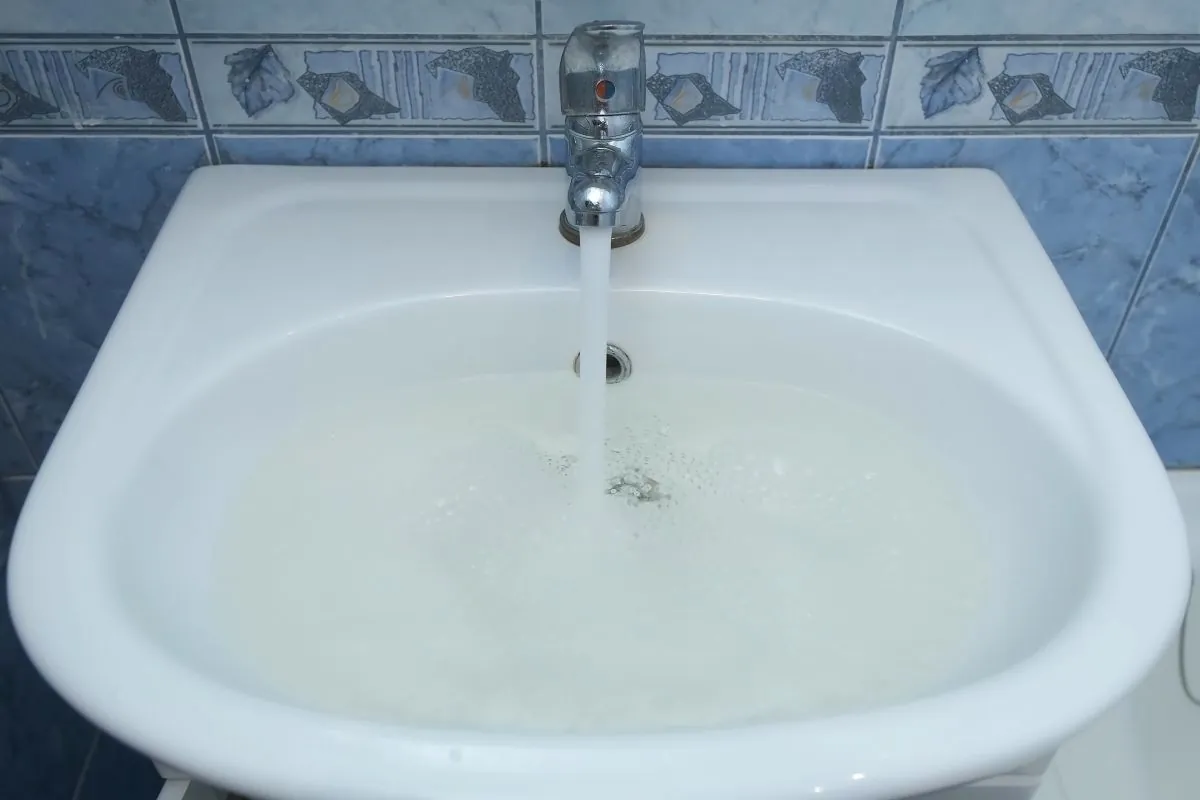
- Clogged drains: Severe backups can lead to flooding and contamination.
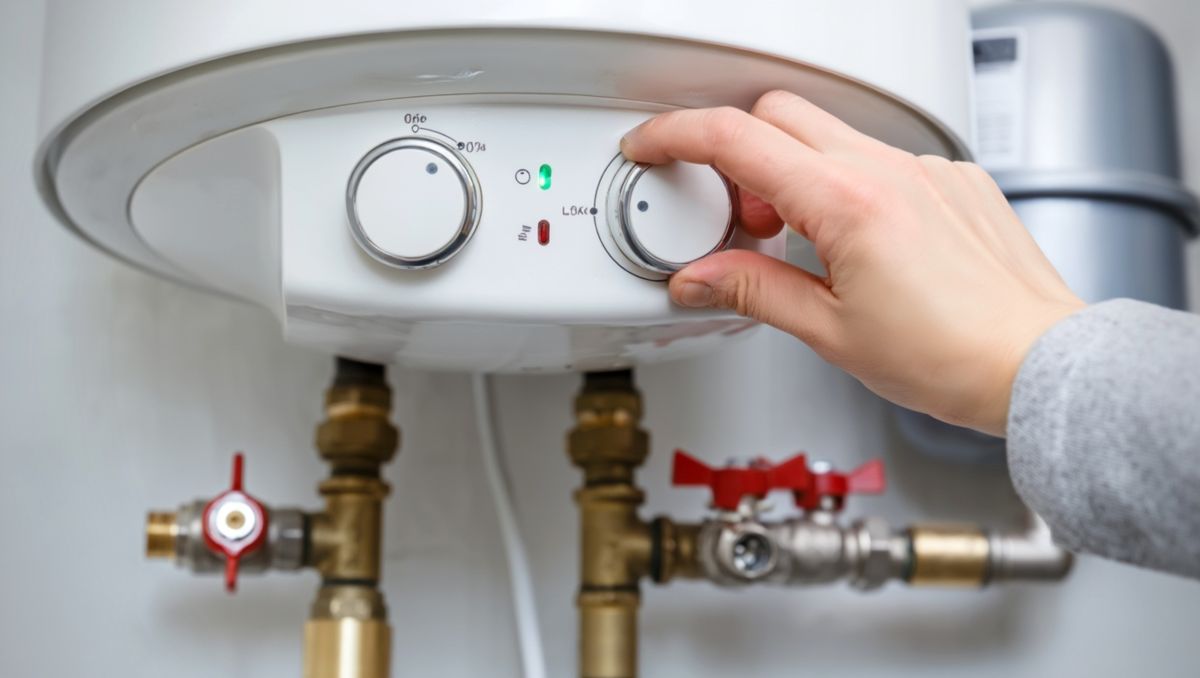
- Leaking water heaters: Can cause both water and electrical damage if left unattended.
- Overflowing toilets: Often linked to blockages in the main drain line.
- Broken fixtures: Old or corroded components can fail without warning.
If you experience any of these issues in Bloomington and surrounding areas, immediate professional attention is the safest course of action.
How To Prevent Future Plumbing Emergencies
Taking preventive measures now can help you avoid unexpected disasters later. Proper maintenance keeps your plumbing system strong and reduces stress on pipes and fixtures.
- Insulate exposed pipes: Prevents freezing and bursting during cold snaps.
- Schedule annual inspections: Regular maintenance identifies small leaks before they worsen.
- Avoid chemical drain cleaners: These can corrode pipes and cause long-term damage.
- Know your shut-off valves: Familiarize yourself with water controls for faster response times.
Preventive care is always more affordable and less stressful than emergency plumbing repairs.
Why You Should Call Professionals Instead of DIY Repairs
While it may be tempting to tackle emergency plumbing issues yourself, professional plumbers have the training, tools, and experience to ensure lasting repairs.
- Safety: Experts know how to handle gas lines, high water pressure, and contaminated water safely.
- Efficiency: Technicians can quickly identify root causes that might not be visible to homeowners.
- Guaranteed results: Professional repairs include warranties and ensure compliance with local codes.
DIY fixes often only provide temporary relief and can worsen damage if done incorrectly. For lasting peace of mind, professional help is always the best choice.
Trust Genz-Ryan for Fast Emergency Plumbing Service
When an emergency strikes, you need a team you can rely on—day or night. With decades of trusted service in the Twin Cities, Genz-Ryan provides expert emergency plumbing solutions that prioritize speed, safety, and quality.
Our licensed technicians are available 24/7 for homeowners in Bloomington and surrounding areas, handling everything from burst pipes to sewer backups with precision and care. We arrive fully equipped to stop leaks, repair damage, and restore your home’s plumbing system as quickly as possible.
Don’t let a plumbing emergency disrupt your comfort—contact Genz-Ryan today for fast, professional emergency plumbing service or request a free quote.
The Genz-Ryan Difference
Experience the trusted service, expert workmanship, and customer-first care that have made Genz-Ryan a Twin Cities favorite since 1950.