

Routine boiler cleaning is one of the simplest ways to improve heating efficiency, extend equipment lifespan, and reduce the risk of costly repairs. A clean boiler runs more smoothly, heats faster, and uses less energy, especially during Minnesota’s long heating season. For homeowners in Burnsville and surrounding areas, learning a few key cleaning tasks can help your system perform at its best year after year.
Before diving into the maintenance steps, it’s helpful to understand why regular boiler cleaning is so important:
- Efficiency boost: Dirt and soot act as insulation, making your boiler work harder.
- Improved safety: Cleaning prevents blockages that can lead to overheating or pressure buildup.
- Longer lifespan: Removing buildup reduces corrosion and mechanical strain.
Let’s take a closer look at how your boiler works, why it needs cleaning, and the six key maintenance tasks every homeowner should know.
Why Boiler Cleaning Matters
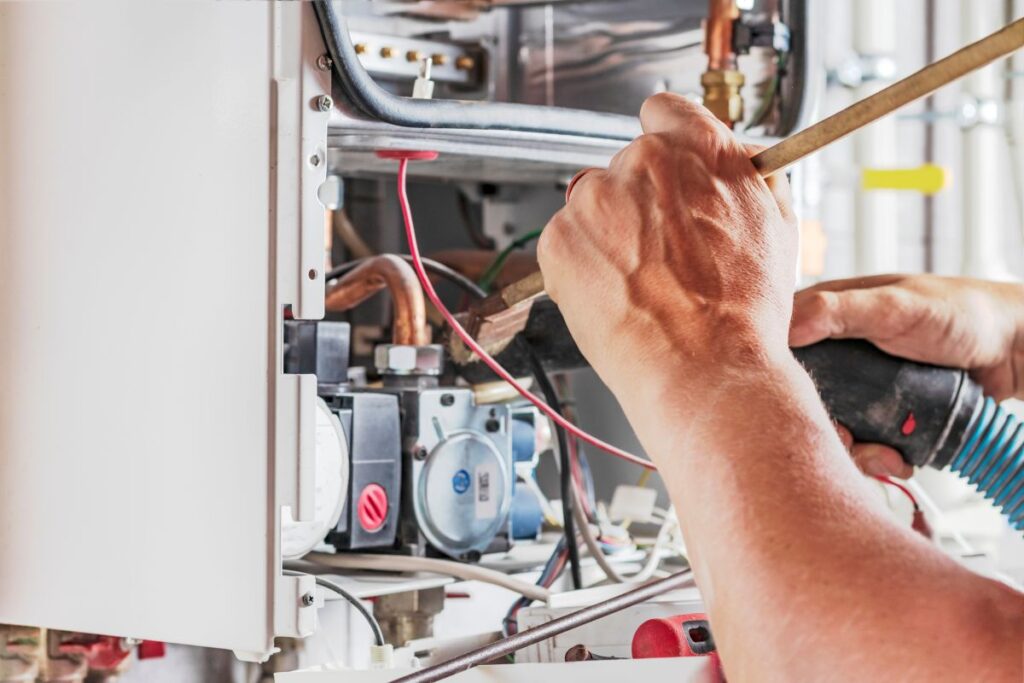
Over time, your boiler collects dust, soot, and mineral buildup inside its combustion chamber, burners, and heat exchanger. These deposits restrict airflow and heat transfer, causing your system to use more fuel to maintain the same temperature. Dirty components can also produce carbon monoxide, increase repair costs, and shorten the unit’s life expectancy.
Professional technicians typically recommend annual cleaning and inspection to ensure peak performance. While many steps should be handled by licensed professionals, homeowners can perform some light maintenance safely between visits.
Understanding the Boiler Cleaning Process
Boiler cleaning involves both internal and external maintenance. Internal cleaning focuses on removing soot and scale from components like the heat exchanger and burner assembly. External cleaning includes dusting, wiping, and inspecting accessible parts.
Professional services often include combustion analysis, flue inspection, and safety checks. Homeowners, on the other hand, can handle basic upkeep tasks such as checking for leaks, cleaning the exterior, and monitoring water pressure.
Regular attention keeps your system efficient and ready for the demands of winter.
6 Boiler Cleaning Tasks Every Homeowner Should Know
Whether you handle light cleaning yourself or rely on professional service, these six tasks are essential for maintaining a healthy, efficient boiler.
1. Turn Off Power and Fuel Before Cleaning
Safety always comes first when performing any maintenance on your boiler.
- Shut off power: Turn off the electrical supply at the breaker.
- Close fuel supply: For gas boilers, switch the gas valve to the “off” position.
- Allow cooling time: Wait until the boiler is completely cool before beginning.
This prevents accidental burns and ensures you can safely inspect interior components.
2. Wipe Down the Exterior and Accessible Areas
Dust and dirt buildup on the outside of your boiler can impact ventilation and efficiency.
- Use a soft cloth or brush: Remove dust from surfaces and vents.
- Vacuum nearby areas: Keep surrounding floors and walls clear of debris.
- Inspect for corrosion: Look for signs of rust, discoloration, or moisture.
Keeping the exterior clean also makes it easier to spot leaks or worn connections early.
3. Check and Clean the Air Vents and Flue
Proper ventilation is essential for safe combustion and efficient operation.
- Inspect the vent pipe: Ensure it’s clear of dust, nests, or debris.
- Check for blockages: Look for obstructions that may affect airflow.
- Wipe with a dry cloth: Avoid water or cleaning agents that could damage the vent.
A clogged flue or vent can cause poor combustion, increased fuel use, or even carbon monoxide buildup.
4. Bleed Air from Radiators and System Lines
Air trapped inside your boiler system can reduce heating efficiency and cause uneven warmth.
- Turn off the system: Wait until it cools completely.
- Use a radiator key: Slowly open the bleed valve to release trapped air.
- Close when water appears: Once a steady stream flows, seal the valve tightly.
Bleeding radiators is a simple task that helps your boiler heat evenly and prevents internal strain.
5. Monitor Water Pressure and Refill if Needed
Proper water pressure ensures that your boiler circulates heat efficiently throughout the system.
- Check the pressure gauge: It should typically read between 1.0 and 1.5 bars.
- Adjust as necessary: Use the filling loop to add water if pressure is low.
- Watch for fluctuations: Rapid pressure drops may indicate a leak or failing component.
Keeping your system balanced prevents overworking the pump and protects critical parts from damage.
6. Schedule Annual Professional Boiler Cleaning
While homeowners can perform light maintenance, full system cleaning should always be handled by a professional once a year.
- Internal cleaning: Technicians remove soot and scale from the heat exchanger and combustion chamber.
- Component inspection: Burners, fans, and safety valves are tested for efficiency.
- Combustion analysis: Ensures proper fuel-to-air ratios for safe operation.
Professional cleaning improves performance, reduces repair costs, and keeps your warranty valid.
Signs Your Boiler Needs Cleaning
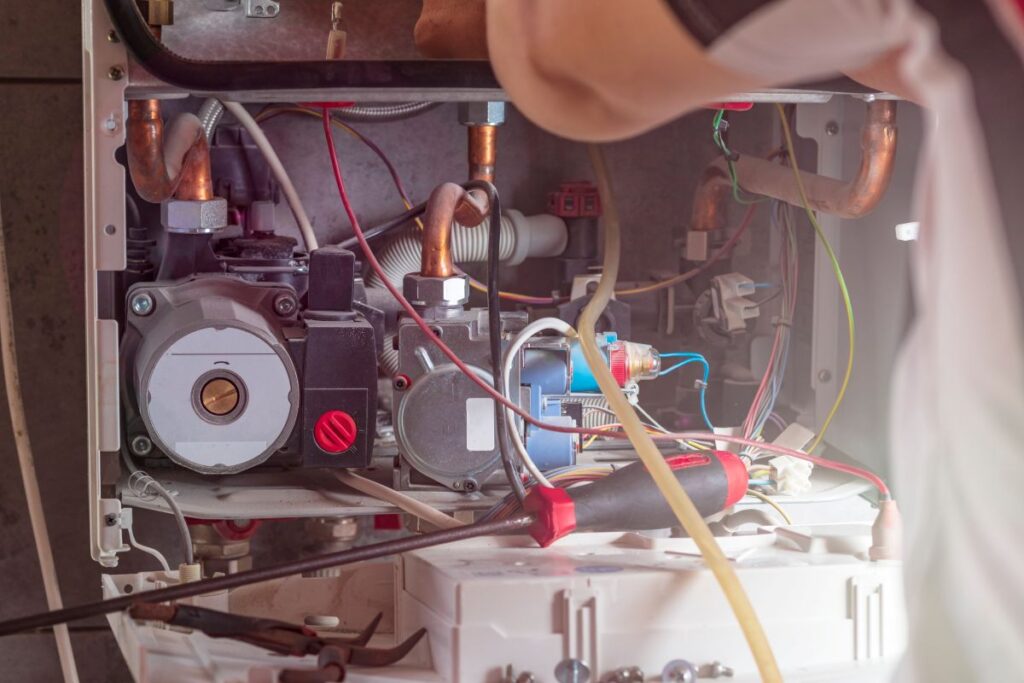
If you notice any of the following symptoms, your boiler likely needs a professional cleaning service:
- Uneven heating: Some rooms stay colder than others.
- Strange noises: Rumbling, whistling, or popping can indicate internal buildup.
- Rising energy bills: Reduced efficiency increases fuel consumption.
- Soot or discoloration: Dark residue near the exhaust or burner area.
- Slow heating: The system takes longer to reach the desired temperature.
Ignoring these warning signs can lead to more serious mechanical issues over time.
Boiler Cleaning and Minnesota Winters
In Burnsville and surrounding areas, harsh winters put heavy demand on your heating system. Running nearly nonstop for months means soot, dust, and minerals accumulate faster than in milder climates.
- Extended heating seasons: Boilers often run from October through April.
- High mineral content: Minnesota water contributes to scale buildup in hot water systems.
- Cold air infiltration: Increased humidity and air circulation introduce debris into ventilation areas.
Scheduling boiler cleaning in the fall ensures your system is ready before temperatures drop, reducing the risk of mid-winter breakdowns.
How Regular Cleaning Extends Boiler Life
Routine cleaning helps your boiler run efficiently for many years. Neglecting maintenance, on the other hand, shortens lifespan and increases repair costs.
- Reduced stress on parts: Clean heat exchangers transfer energy more effectively.
- Less corrosion: Removing buildup prevents rust and leaks.
- Better fuel efficiency: Clean burners use less gas to reach target temperatures.
Homeowners who invest in annual cleaning can often extend their boiler’s life by five years or more compared to those who skip maintenance.
Why Choose Professional Service
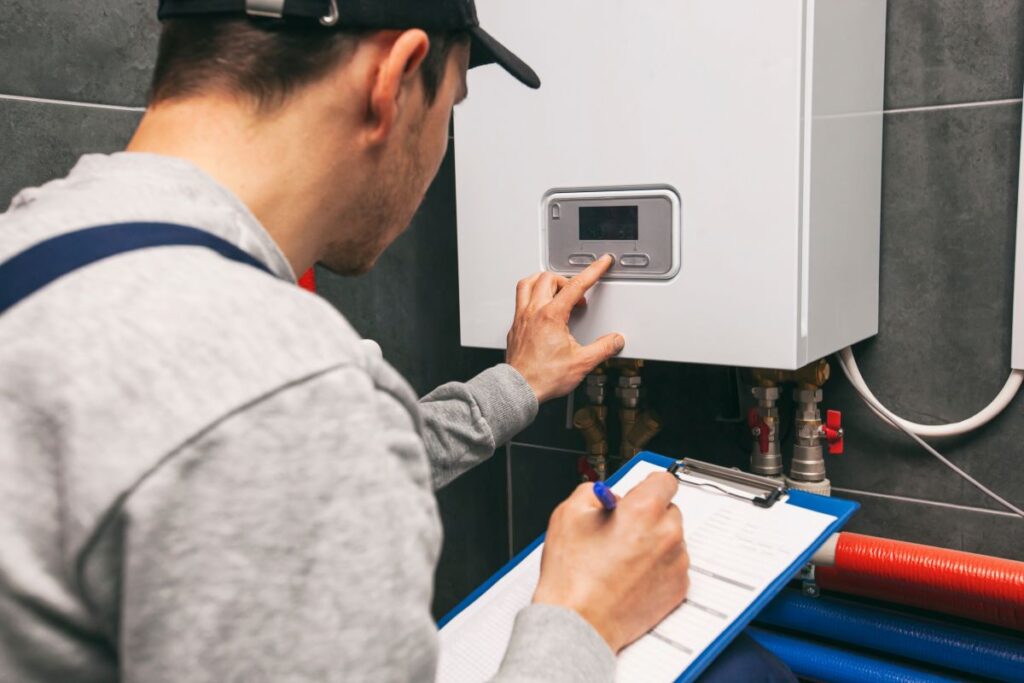
Even if you perform basic upkeep, it’s crucial to have your boiler cleaned by a licensed HVAC technician regularly.
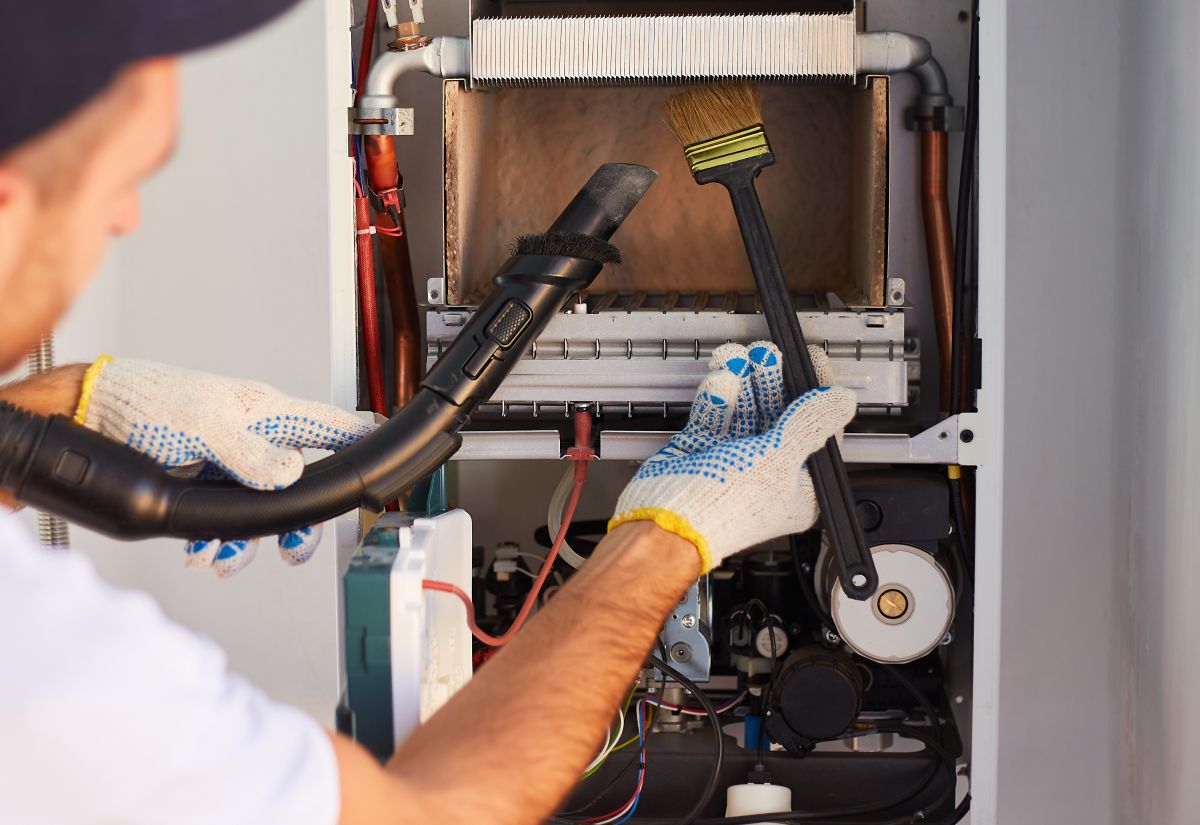
- Specialized tools: Professionals use brushes, vacuums, and testing equipment for deep cleaning.
- Safety testing: Includes carbon monoxide detection and pressure checks.
- Expert adjustments: Technicians can calibrate burners for maximum performance.
Professional service ensures your boiler runs safely, efficiently, and in compliance with local codes.
Trust Genz-Ryan for Expert Boiler Cleaning and Maintenance
When it comes to reliable boiler maintenance, no one understands Minnesota heating systems better than Genz-Ryan. Our licensed technicians provide thorough inspections, precision cleaning, and preventive maintenance for homeowners in Burnsville and surrounding areas.
We ensure your boiler operates at peak efficiency all winter long, helping you save money while maintaining consistent comfort.
Keep your heating system running strong this year, contact Genz-Ryan today to schedule your boiler maintenance or request a free quote.