

A check valve might be one of the smallest parts of your plumbing or HVAC system, but it plays an essential role in protecting your home’s water flow and equipment. This simple device allows water to move in only one direction, preventing backflow that could contaminate your water supply or damage pumps and pipes. For homeowners in Maplewood and surrounding areas, understanding how check valves work, and why they matter, can help you maintain a safe, efficient plumbing system.
Before exploring the details, here’s why check valves are so important:
- Backflow prevention: Stops contaminated water from re-entering your clean supply.
- Equipment protection: Prevents pressure damage in pumps and heaters.
- Improved efficiency: Maintains steady flow direction through your plumbing system.
Let’s take a closer look at the purpose of check valves, their advantages, and how they’re installed in both residential and heating systems.
What Is a Check Valve?
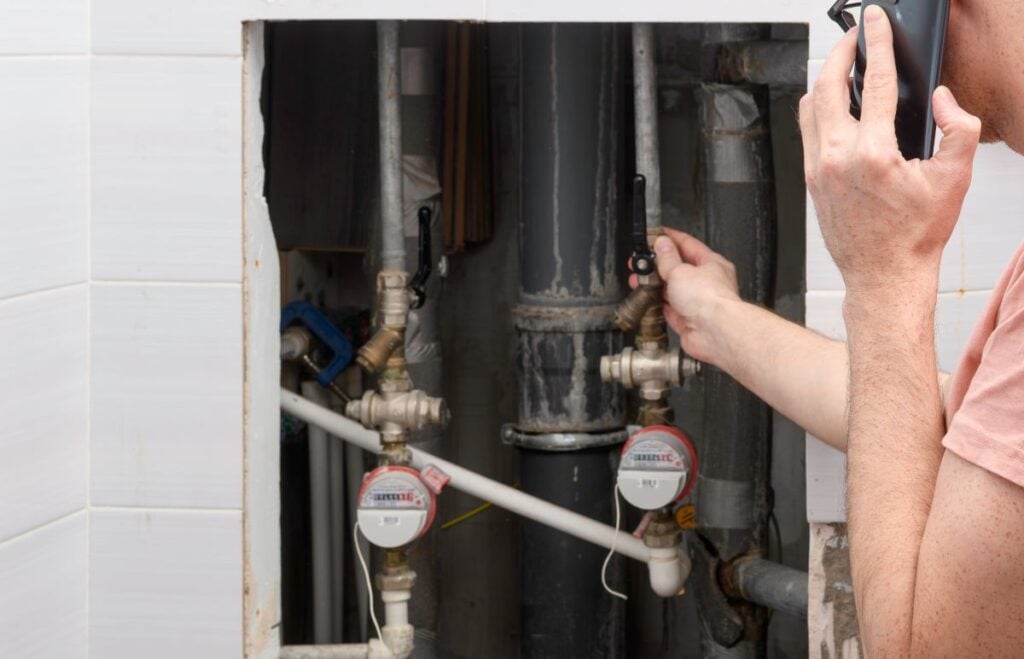
A check valve, also known as a one-way valve or non-return valve, is a mechanical device that permits fluid to flow in one direction while automatically preventing flow in the opposite direction. It contains an internal mechanism, such as a flap, ball, or spring-loaded disc, that opens when water pressure moves forward and closes when flow reverses.
Check valves are used in a variety of applications, including residential plumbing, heating systems, sump pumps, and irrigation lines. Without them, water could flow backward through pipes, introducing contaminants or damaging connected equipment.
Their simplicity and reliability make them a standard component in both new construction and system upgrades.
The Purpose of a Check Valve in Plumbing Systems
In a home plumbing system, check valves are typically installed in water supply lines, well systems, and heating systems to ensure proper directional flow. They serve three main purposes:
- Prevent contamination: Keeps wastewater, chemicals, or debris from flowing backward into clean water lines.
- Protect equipment: Prevents pump or boiler damage caused by sudden pressure changes.
- Maintain pressure balance: Helps ensure consistent water delivery throughout your plumbing network.
These functions make check valves especially important for homeowners who use sump pumps, water softeners, or hydronic heating systems.
5 Benefits of a Check Valve
Even though it’s a small part of your plumbing setup, a check valve offers several major advantages. Understanding these benefits helps you appreciate why proper installation and maintenance matter.
1. Prevents Backflow and Contamination
The primary purpose of a check valve is to prevent water from reversing direction once it’s been pumped or pressurized.
- Protects drinking water: Stops contaminated or stagnant water from entering clean supply lines.
- Complies with local codes: Most building regulations require backflow prevention devices in key areas.
- Essential for safety: Reduces health risks from bacteria and chemical exposure.
For homeowners in Maplewood and surrounding areas, where winter conditions can cause pressure fluctuations, this protection is crucial.
2. Extends the Life of Pumps and Boilers
Backflow creates pressure surges that can damage pumps, boilers, and other mechanical components.
- Prevents water hammer: Reduces strain caused by sudden flow reversals.
- Protects seals and valves: Prevents unnecessary wear on moving parts.
- Reduces maintenance costs: Extends the lifespan of expensive equipment.
Installing a check valve near pumps and heating systems ensures smoother operation and fewer repairs over time.
3. Improves System Efficiency
Check valves help maintain proper pressure and flow direction, keeping your plumbing system efficient.
- Steady operation: Prevents back pressure that disrupts performance.
- Consistent flow: Keeps water moving efficiently to all fixtures.
- Energy savings: Reduces the workload on pumps and heating systems.
Efficiency gains may seem small day to day, but they add up significantly over years of operation.
4. Provides Automatic Protection
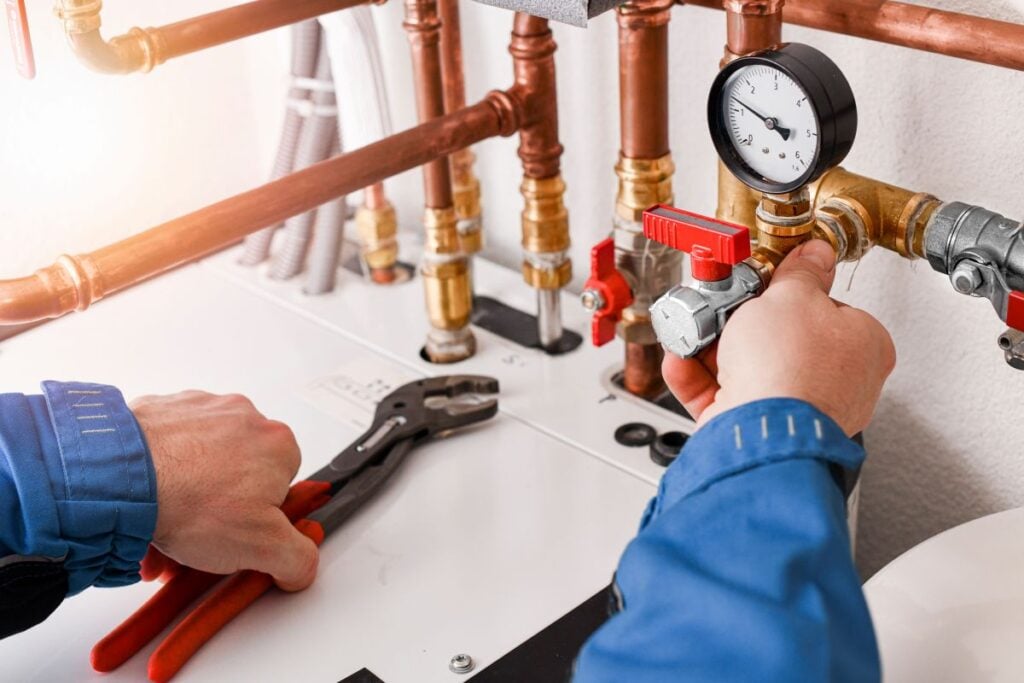
One of the best features of a check valve is that it works automatically without manual control.
- No switches or sensors: Operates based solely on water pressure.
- Low maintenance: Fewer moving parts mean fewer potential failures.
- Reliable performance: Continues working even during power outages.
Because they’re self-regulating, check valves are ideal for remote or hidden installations such as basement sump pumps or boiler systems.
5. Versatile for Many Applications
Check valves come in a wide range of sizes and materials, making them useful across different plumbing and HVAC systems.
- Water systems: Protect well pumps and prevent municipal backflow.
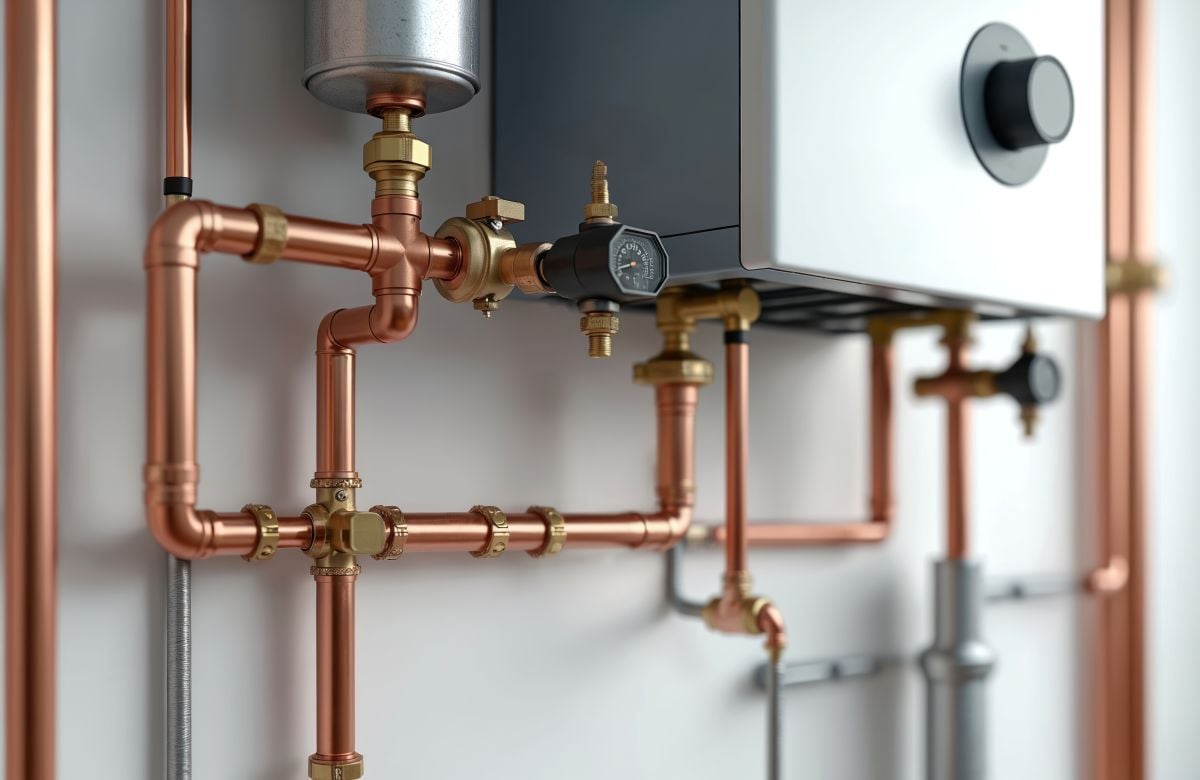
- Heating systems: Maintain directional flow in hydronic or radiant heating loops.
- Drainage systems: Prevent backflow from sump pits or storm drains.
Choosing the right type for each application ensures lasting performance and safety.
Common Types of Check Valves
Different types of check valves are designed for specific uses depending on pressure, flow rate, and installation location.
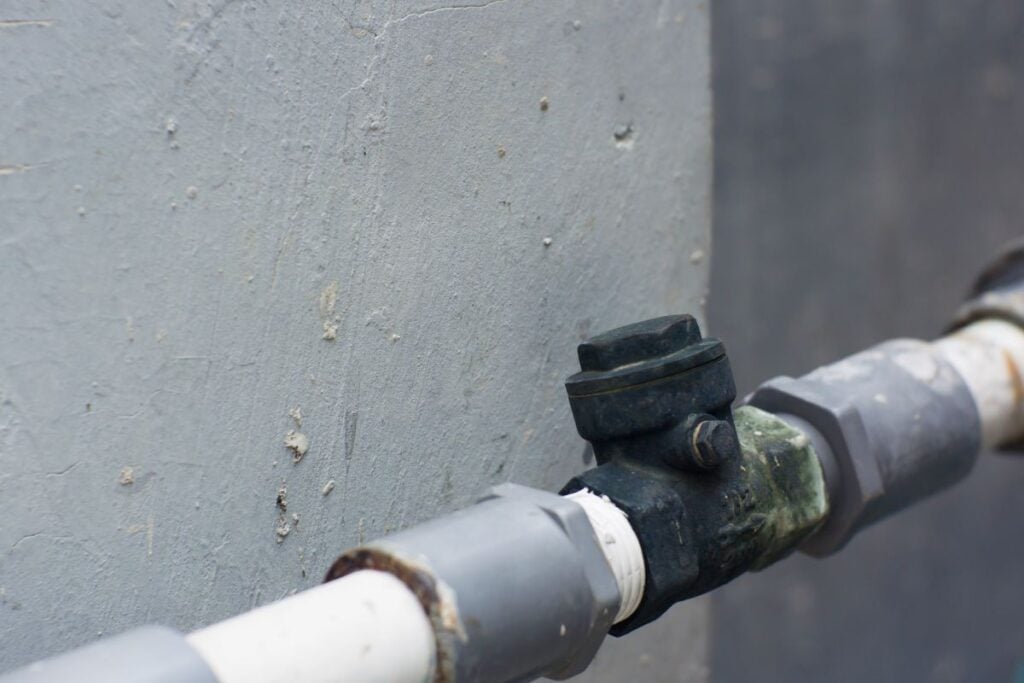
- Swing check valve: Uses a hinged disc that swings open and shut with water flow; ideal for horizontal pipes.
- Spring-loaded check valve: Uses a spring to close the valve quickly; suitable for vertical installations.
- Ball check valve: Uses a rubber or metal ball to seal the flow path; common in sump and sewage pumps.
- Dual-plate check valve: Compact design used in larger commercial systems.
Your plumber can recommend the best type for your home based on your system’s layout and function.
Check Valve Installation Process
Installing a check valve may seem simple, but proper technique is essential to ensure safety and performance.
Step 1: Identify Installation Location
Determine where the check valve will be most effective—usually near pumps, boiler lines, or water meter connections.
- Accessible placement: Allows easy inspection and servicing.
- Correct orientation: The arrow on the valve must point in the direction of flow.
- Proximity to risk points: Install near areas prone to backflow.
Step 2: Shut Off Water and Prepare Pipes
Before installation, turn off the main water supply and relieve pressure in the line.
- Drain water: Open nearby faucets to empty the line.
- Clean pipe ends: Remove dirt, debris, or corrosion for a tight seal.
- Measure and cut: Ensure the valve fits snugly without excess tension.
Step 3: Install the Valve
Attach the check valve to the prepared section of pipe using appropriate fittings or solder.
- Use sealant: Apply plumber’s tape or joint compound to threaded connections.
- Align properly: Follow the manufacturer’s arrow to ensure correct flow direction.
- Tighten securely: Avoid overtightening, which can damage the valve body.
Step 4: Test the System
Once installed, restore water pressure and test for leaks or reverse flow.
- Run water briefly: Confirm smooth operation and no backflow.
- Inspect seals: Check all joints and fittings for moisture.
- Adjust if needed: Reseat or retighten fittings to correct minor leaks.
Professional plumbers often include a pressure test to verify full functionality.
Signs a Check Valve Needs Repair or Replacement
Even though check valves are durable, they can wear out or fail over time. Watch for these warning signs:
- Noisy operation: Rattling or banging indicates valve movement or water hammer.
- Backflow or contamination: May mean the internal seal has failed.
- Reduced flow rate: Debris or buildup could be obstructing the valve.
- Leaks near fittings: Suggest improper installation or deteriorated seals.
If you suspect an issue, schedule a plumbing inspection right away to prevent water damage or safety risks.
Why Professional Installation Is Recommended
Although small, a check valve plays a major role in protecting your plumbing system. Installing it incorrectly can lead to leaks, reduced pressure, or contamination.
- Proper sizing: Ensures the valve matches your system’s flow requirements.
- Code compliance: Meets state and local plumbing regulations.
- Warranty coverage: Professional installation protects your equipment warranty.
Experienced plumbers have the tools and training to install check valves quickly and correctly for long-term reliability.
Trust Genz-Ryan for Expert Plumbing Service
When it comes to protecting your home’s plumbing, even the smallest components make a big difference. At Genz-Ryan, we specialize in professional check valve installation, maintenance, and replacement for homeowners in Maplewood and surrounding areas.
Our licensed plumbers ensure your plumbing and heating systems operate safely, efficiently, and up to local code standards.
Keep your water flowing in the right direction, contact Genz-Ryan today to request a free quote.