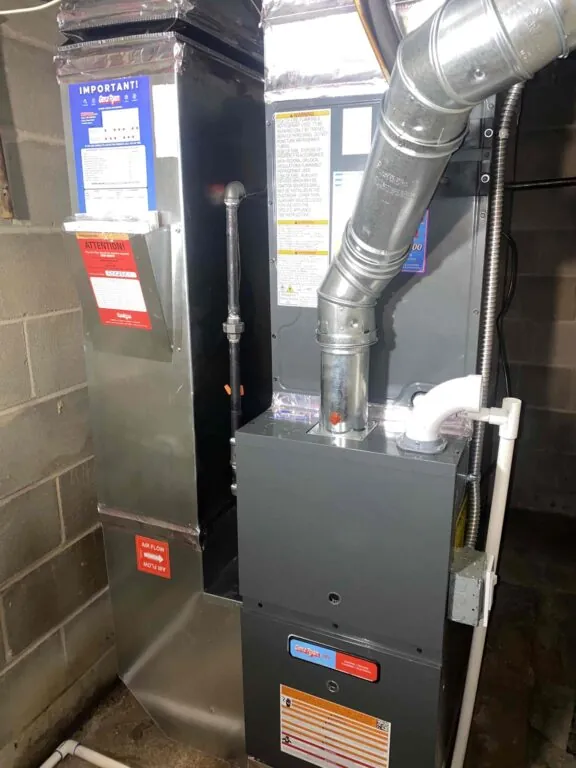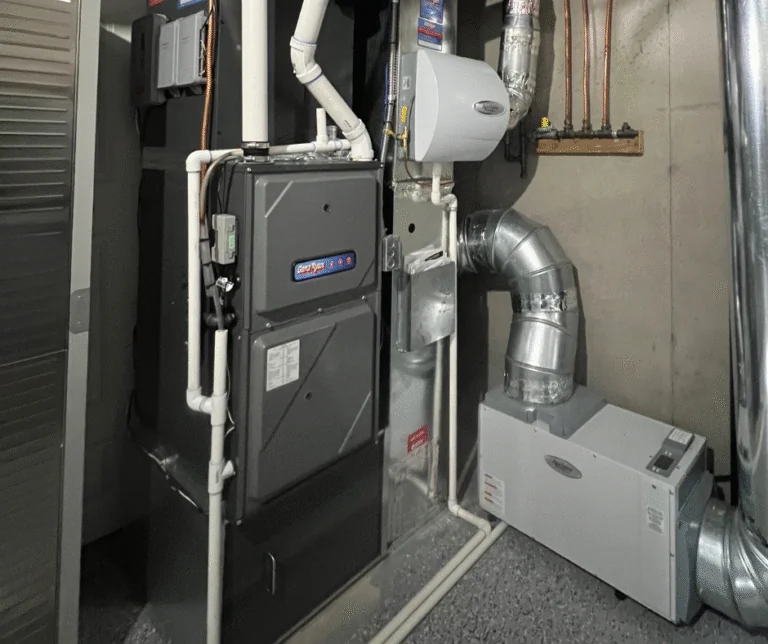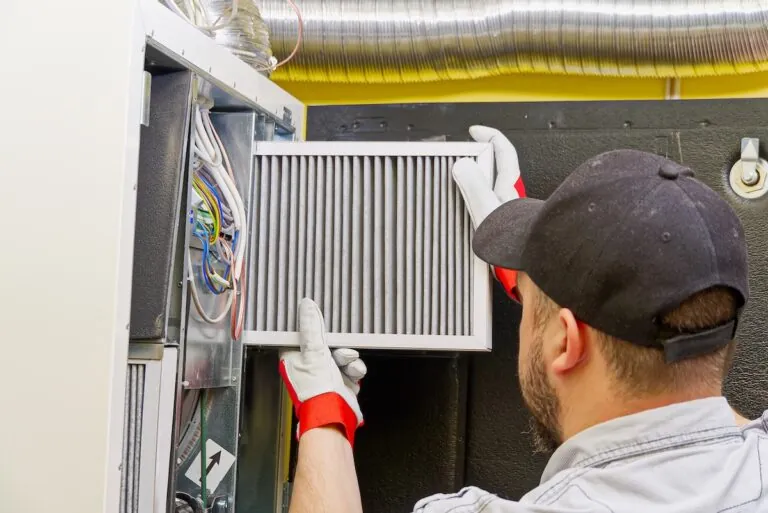


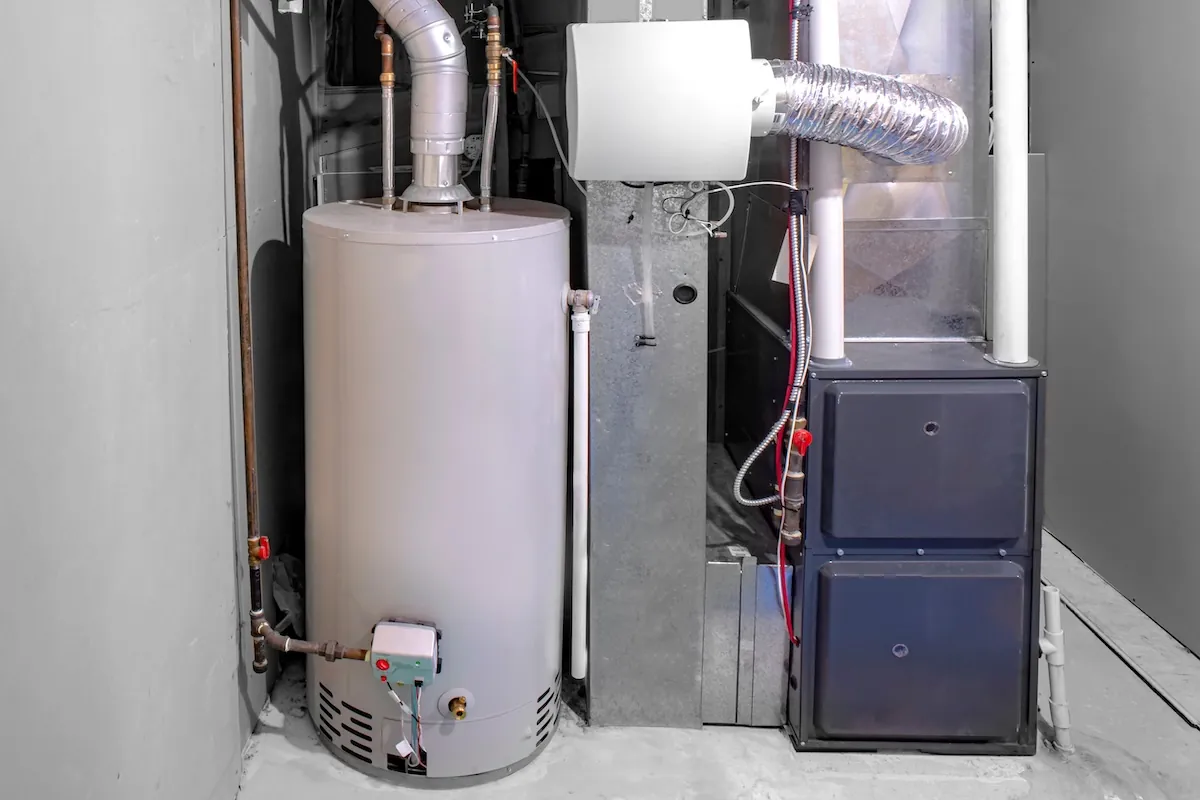
A furnace humidifier can make a big difference in the comfort and health of your home, especially during Minnesota’s dry winter months. By adding moisture to your indoor air, it helps protect wood furniture, reduces static, and keeps your skin and sinuses from drying out. For homeowners in Apple Valley and surrounding areas, a well-maintained furnace humidifier is one of the most effective ways to improve indoor air quality and overall comfort.
Before you decide whether to install or upgrade one, here’s what you should know:
- Comfort benefits: Proper humidity makes indoor air feel warmer and more pleasant.
- System efficiency: Balanced humidity allows your furnace to work more effectively.
- Maintenance matters: Regular care ensures the unit functions smoothly year after year.
Let’s explore the key tips, pros, and cons of using a furnace humidifier in your home.
Understanding How a Furnace Humidifier Works
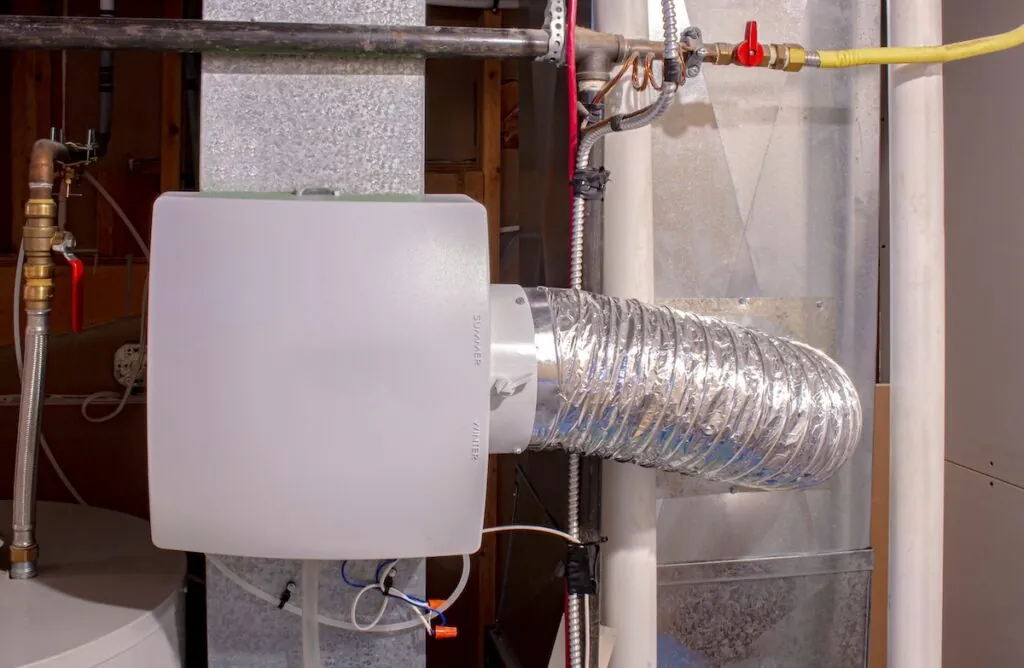
A furnace humidifier connects directly to your HVAC system and releases water vapor into the air that circulates throughout your home. This added humidity balances indoor moisture levels during the dry winter season.
- Water source: The unit is connected to your home’s water supply.
- Evaporation process: Air passes through a moistened pad or steam chamber.
- Distribution: The furnace’s blower spreads humidified air through the ductwork.
When maintained properly, this system works seamlessly alongside your furnace to create a more comfortable, energy-efficient home.
Types of Furnace Humidifiers
There are several types of furnace humidifiers available, each with its own benefits. Choosing the right one depends on your home size, HVAC system, and comfort goals.
Bypass Humidifiers
Bypass humidifiers use warm air from the furnace to evaporate water and release moisture into your home.
- Simple design: Fewer moving parts make them cost-effective and easy to maintain.
- Energy-efficient: They rely on your furnace’s heat rather than additional power.
- Moderate output: Ideal for smaller or mid-sized homes.
However, they require ductwork access and rely on furnace operation to function properly.
Fan-Powered Humidifiers
These models include a built-in fan that pushes air across the water panel, creating more consistent moisture output.
- Higher efficiency: The fan ensures steady humidification even when the furnace isn’t heating.
- Compact installation: Works well in tighter spaces.
- Increased output: Suitable for larger homes with higher humidity needs.
They use slightly more electricity but deliver better performance overall.
Steam Humidifiers
Steam units generate humidity by heating water directly into vapor, then releasing it into the air.
- Precise control: Allows you to adjust humidity levels quickly and accurately.
- Year-round comfort: Can operate independently of the furnace.
- High capacity: Best for large homes or those with advanced HVAC systems.
Steam models require professional installation and regular cleaning but offer the most efficient humidity control available.
Benefits of Installing a Furnace Humidifier
Adding a furnace humidifier to your home provides numerous health and comfort advantages throughout the winter months.
- Improved comfort: Moist air feels warmer, allowing you to lower your thermostat without sacrificing coziness.
- Healthier air: Helps reduce dry skin, sore throats, and sinus irritation caused by low humidity.
- Protects furnishings: Prevents cracking and warping in wood furniture, flooring, and musical instruments.
- Reduced static electricity: Limits annoying static shocks and protects electronics.
- Energy savings: Balanced humidity can make your home feel several degrees warmer, reducing heating costs.
For homeowners in Apple Valley and surrounding areas, these benefits make humidifiers a smart addition during Minnesota’s long heating season.
Potential Drawbacks to Consider
While furnace humidifiers offer many benefits, they also require proper maintenance and monitoring to avoid potential issues.
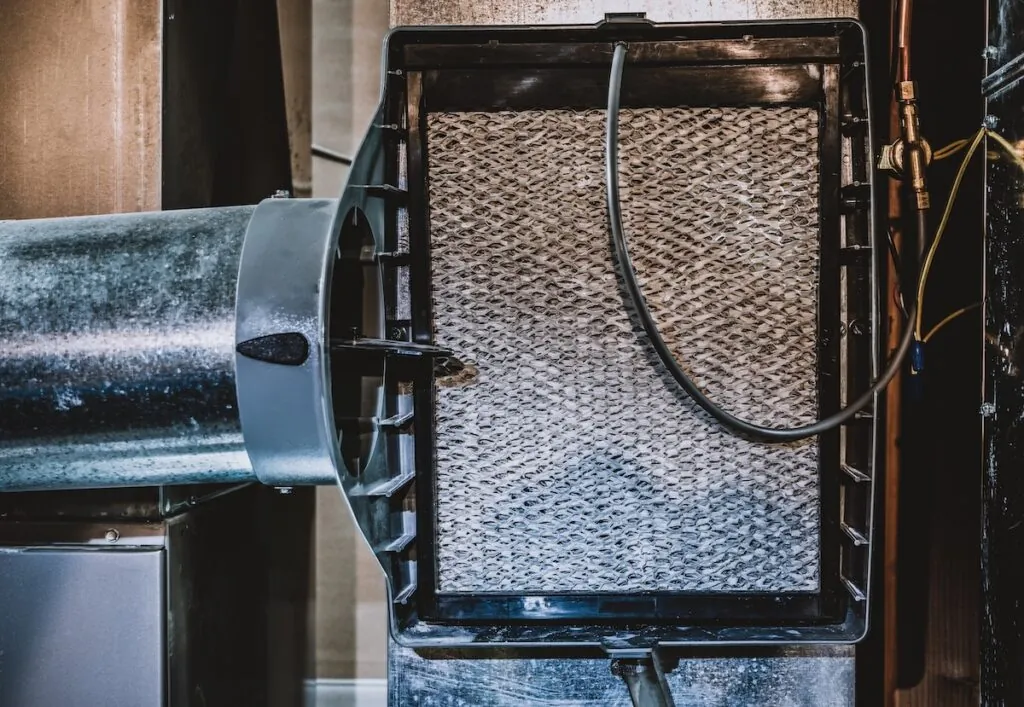
- Maintenance requirements: Regular cleaning and pad replacement prevent mold and mineral buildup.
- Water leaks: Improper installation or clogged drains can lead to leaks around the unit.
- Over-humidification: Excess moisture may encourage condensation on windows or promote mold growth.
- Initial cost: Professional installation and setup can add to upfront expenses.
Most of these challenges can be avoided by scheduling regular maintenance and working with a trusted HVAC professional like Genz-Ryan.
Essential Maintenance Tips
To get the best results from your furnace humidifier, follow these maintenance best practices throughout the heating season.
- Change the water panel: Replace the humidifier pad once or twice each year to maintain efficiency.
- Inspect for leaks: Check hoses and connections for signs of moisture or corrosion.
- Clean mineral buildup: Use vinegar or a mild cleaner to remove calcium deposits from the reservoir and components.
- Adjust humidity levels: Aim for 30–50% relative humidity to balance comfort and prevent condensation.
- Turn off in spring: Shut off the water supply and power when heating season ends to prevent mold growth.
Routine care ensures your humidifier operates efficiently and maintains healthy indoor air quality all winter long.
7 Signs You Might Need a Furnace Humidifier
If you’re unsure whether a furnace humidifier would benefit your home, look for these telltale signs of dry indoor air:
- Dry skin and lips: Persistent dryness suggests low humidity.
- Frequent static shocks: Excessively dry air increases static buildup.
- Cracking wood surfaces: Hardwood floors or furniture may show visible damage.
- Respiratory irritation: Dry throats, coughing, or sinus problems can worsen in arid conditions.
- Dust accumulation: Dry air carries more airborne dust and allergens.
- Peeling paint or wallpaper: Low humidity causes adhesives to weaken.
- Cold-feeling air: Lack of moisture can make your home feel colder than the thermostat setting.
If these symptoms sound familiar, a furnace humidifier may dramatically improve your comfort and air quality.
Common Mistakes to Avoid
To keep your humidifier running smoothly, avoid these common homeowner mistakes:
- Ignoring maintenance: Skipping filter or pad replacements leads to poor performance.
- Setting humidity too high: Excess moisture can cause condensation and window fogging.
- Improper installation: DIY setups often lead to leaks, wiring issues, or poor airflow balance.
- Not checking humidity levels: Use a hygrometer to monitor moisture and adjust as needed.
Professional installation and maintenance from Genz-Ryan eliminate these risks and ensure your humidifier functions safely and effectively.
Comparing Furnace Humidifiers to Portable Units
While portable humidifiers can be effective for small rooms, a furnace humidifier delivers whole-home comfort and long-term value.
- Coverage area: Furnace units humidify the entire house, not just a single space.
- Convenience: No need to refill water tanks daily or move devices from room to room.
- Consistency: Integrated systems maintain steady humidity throughout your home.
- Cost-effectiveness: Though initial installation is higher, operating costs are lower over time.
For families in Apple Valley and surrounding areas, a whole-home system is typically the most practical solution for lasting comfort and balanced air quality.

Improve Indoor Air Quality with Genz-Ryan
When it comes to managing comfort and air quality in your home, a furnace humidifier is a simple but powerful upgrade. With the right system and regular care, you’ll enjoy healthier air, better energy efficiency, and greater comfort during the coldest months of the year.
At Genz-Ryan, our experts specialize in furnace humidifier installation, repair, and maintenance for homes in Apple Valley and surrounding areas. We’ll help you select the right model for your HVAC system and ensure it runs perfectly from day one.
Keep your air balanced and your home comfortable all winter long—contact Genz-Ryan today to schedule your furnace humidifier service or request a free quote.