

Can a Heat Pump Handle a Minnesota Winter? Here’s What Homeowners Need to Know:
Minnesota winters are not for the faint of heart. When the snow piles up and the thermometer dips below zero, staying warm is essential. So when you hear about heat pumps and heat pump installation as a clean, efficient way to heat and cool your home, you might wonder if they can really handle our kind of cold.
The answer is yes. With the right equipment and a professional heat pump installation, a modern cold-climate heat pump can keep your Twin Cities home comfortable year-round. Here’s how.
1. What a Heat Pump Does
A heat pump works by moving heat rather than creating it. In summer, it removes heat from your home and pushes it outdoors. In winter, it reverses the process, drawing heat energy from the air outside and bringing it inside to warm your home.
Even when it’s cold outside, there’s still heat in the air. A heat pump uses refrigerant and advanced compression technology to capture that warmth. The big improvement in recent years is that cold-climate heat pumps can now pull heat from air as cold as 10 to 20 degrees below zero.
Choosing the right heat pump installation can significantly affect the performance and efficiency of your heating system. Proper heat pump installation ensures optimal operation and energy savings.
That makes them a real option for Minnesota homeowners who want comfort and efficiency in one system.
2. Why Cold-Climate Heat Pumps Work in Minnesota
Older heat pump models struggled once temperatures dropped below freezing. Today’s systems are built differently.
Cold-climate models use variable-speed inverter compressors, which automatically adjust to your home’s needs instead of turning on and off constantly. They also use enhanced refrigerants that absorb heat more effectively in cold weather.
Modern systems have smarter defrost controls and built-in sensors that keep ice buildup from affecting performance. Many include automatic backup heat, so when it gets extremely cold, your system can rely on another heat source to maintain comfort.
The result is steady, reliable warmth even during the toughest Minnesota winters.
3. Heat Pump Performance in Subzero Weather
A well-installed cold-climate heat pump can provide 100% of its rated heating capacity at 5°F and continue producing heat well below zero. That means it can handle most winter days without issue.
However, every home is different. Your comfort and efficiency depend on:
- The size and efficiency of your heat pump
- Your home’s insulation and air sealing
- Whether your system is all-electric or dual fuel
For many homeowners, a dual fuel system offers the best balance of performance and reliability.
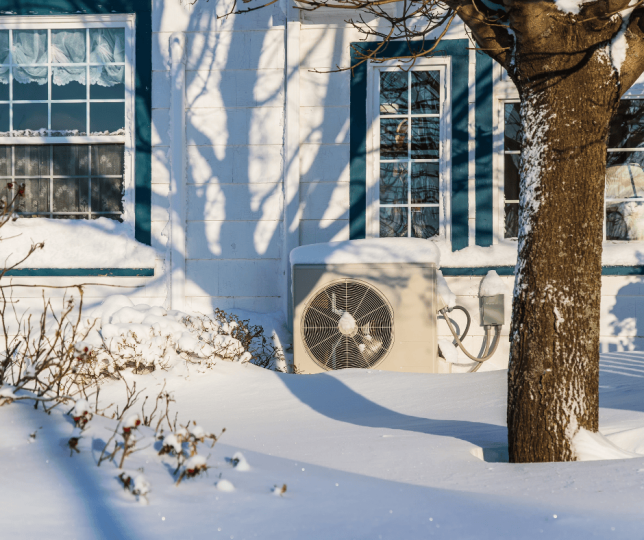
4. Dual Fuel Heat Pumps: The Smart Setup for Minnesota Homes
A dual fuel heat pump combines an electric heat pump with your existing gas furnace. The two systems work together automatically.
When the weather is mild, your heat pump handles the heating. When the temperature drops into the single digits, your furnace takes over. You get efficient electric heating when it’s practical and the dependable power of gas when it’s needed most.
Benefits of a dual fuel system include:
- Reliable heat in all conditions
- Lower overall energy costs
- Flexible energy use based on outdoor temperature
- Reduced environmental impact
It’s a smart hybrid approach that’s tailor-made for our climate.
5. How Efficient Are Heat Pumps?
Heat pumps don’t burn fuel to make heat, so they can be up to three times more efficient than a traditional furnace. For every unit of energy used, a heat pump can produce as much as three units of heating or cooling.
In practical terms, you can expect:
- Lower utility bills during spring and fall
- Efficient air conditioning in summer from the same system
- Fewer emissions and a smaller carbon footprint
When paired with a dual fuel furnace, efficiency stays high even during deep cold snaps.
6. Heat Pump Rebates and Incentives in Minnesota
Right now, there are excellent incentives for heat pump installation in Minnesota.
- Federal tax credits: Up to $2,000 under the Inflation Reduction Act for qualifying Energy Star systems.
- Utility rebates: Xcel Energy, CenterPoint Energy, and other local utilities offer $500 to $1,000 or more depending on your system’s efficiency.
- State and local programs: Some Minnesota homeowners qualify for additional incentives when switching from fossil fuels to electric heat pumps.
Genz-Ryan’s comfort experts can help you identify every rebate and tax credit available so you can make the most out of your investment.
7. Common Heat Pump Myths in Cold Climates
Let’s clear up a few misunderstandings that still float around Minnesota neighborhoods.
Myth 1: Heat pumps don’t work below freezing.
Modern cold-climate systems are designed specifically to perform in below-zero conditions.
Myth 2: My house won’t stay warm enough.
When properly sized and installed, a heat pump can maintain steady warmth even during a cold snap.
Myth 3: Heat pumps are only for new homes.
Many Twin Cities homeowners retrofit them into existing systems alongside their furnaces. So a heat pump installation is possible for homes of any age.
Myth 4: They’re too expensive to install.
With rebates and long-term savings, a heat pump can often pay for itself within a few years.
8. How Long a Heat Pump Lasts in Minnesota
A high-quality heat pump typically lasts 15 to 20 years, about the same as a central air conditioner. Lifespan depends on proper sizing, installation, and maintenance.
Routine maintenance like cleaning coils, replacing filters, and checking refrigerant levels keeps performance strong and energy use low. With a dual fuel setup, your heat pump runs less during extreme cold, which can extend its life even further.
9. When to Consider a Heat Pump Upgrade
If your furnace or AC is over 10 years old, it might be time to look at a heat pump installation. Especially if:
- You want both heating and cooling from one system
- You plan to stay in your home long-term
- You’re seeing rising energy bills
Many Twin Cities homeowners choose a dual fuel heat pump when replacing an older furnace, gaining efficient electric heat while keeping the reliability of gas for the coldest days.
10. Why Professional Installation Matters
Heat pump installation in Minnesota is not a DIY job. Proper heat pump installation makes all the difference in comfort, efficiency, and lifespan.
Professional technicians ensure:
- The system is correctly sized for your home’s layout
- Airflow and ductwork are balanced for even comfort
- The heat pump is calibrated for cold-climate efficiency
- Backup heat and thermostat controls work together seamlessly
At Genz-Ryan, we’ve helped Twin Cities homeowners stay warm since 1950. Our team understands how to design systems that perform in real Minnesota conditions.
11. What to Expect During Heat Pump Installation
When you schedule a heat pump installation with Genz-Ryan, here’s what the process looks like:
- In-home consultation: We evaluate your home’s heating needs and insulation levels.
- System design: We recommend the right size and model for your comfort and budget.
- Heat Pump Installation day: Our licensed technicians remove your old equipment and install your new system safely and efficiently.
- Calibration and testing: We make sure everything runs at peak performance and efficiency.
- Homeowner walkthrough: We show you how to use your new thermostat, understand your system’s modes, and access rebates.
Most heat pump installations are completed in a single day, and you’ll notice the difference immediately.
12. Frequently Asked Questions
Q: Can a heat pump completely replace my furnace?
Yes, but most homeowners in Minnesota choose dual fuel for the best combination of comfort and reliability.
Q: Will my electric bill go up?
It might, but your overall energy costs will likely go down since you’ll use less gas.
Q: Can I use my existing ductwork?
In most cases, yes. Our technicians will inspect your ducts to make sure airflow and sizing are correct.
Q: Are heat pumps loud?
Not at all. Inverter-driven compressors are much quieter than traditional systems.
13. Why More Minnesotans Are Switching
More homeowners across the Twin Cities are making the switch to cold-climate heat pumps for one simple reason: they work.
They keep homes comfortable, reduce energy costs, and support a more sustainable future. With available rebates and professional heat pump installation, it’s easier than ever to enjoy year-round comfort with one system that heats and cools.
14. Get a Heat Pump Installation Estimate from Genz-Ryan
If you’re curious about how a heat pump could work in your home, Genz-Ryan can help.
Our team will:
- Assess your home’s size and heating needs
- Recommend the best heat pump or dual fuel setup
- Help you qualify for rebates and tax credits
- Provide a clear, no-pressure estimate
Ready to Learn More?
Discover how efficient, quiet, and reliable a heat pump can be in Minnesota’s cold climate.
👉 Get a Heat Pump Estimate Now today and see how Genz-Ryan can help you stay cozy all winter and cool all summer.