

If you’ve ever wondered, “how do boilers work?” you’re not alone. Boilers play a crucial role in keeping Minnesota homes warm and comfortable through long, cold winters. For homeowners in Maplewood and surrounding areas, understanding the basics of how boilers function can help you maintain your system, identify problems early, and ensure efficient operation year after year.
Before diving into the details, here’s why knowing how your boiler works matters:
- Better maintenance: Understanding the system helps you spot issues before they escalate.
- Improved efficiency: Knowing what affects performance can lower energy costs.
- Informed decisions: Helps you choose the right repairs, upgrades, or replacements.
Let’s explore the essential parts of a boiler system and how they work together to deliver steady, reliable heat.
What Is a Boiler?
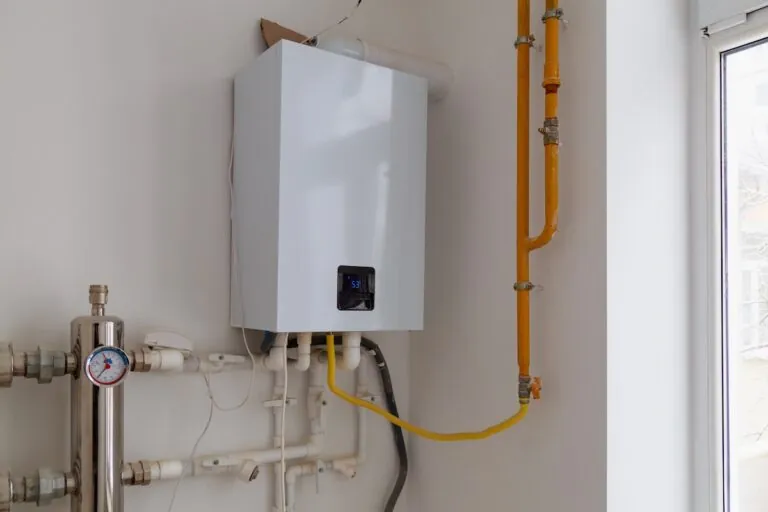
A boiler is a closed-loop heating system that uses water or steam to distribute warmth throughout your home. Unlike a furnace, which heats air, a boiler heats water that circulates through pipes and radiators to transfer heat evenly across each room.
- Primary function: Converts energy from gas, oil, or electricity into heat.
- Distribution method: Uses hot water or steam instead of forced air.
- System type: Can operate as a combination boiler for both heating and hot water supply.
Because water retains heat longer than air, boilers often provide more consistent, energy-efficient warmth than traditional furnaces.

Types of Boilers
There are several types of boilers, each suited to different home sizes, layouts, and heating needs. Knowing which one you have—or might need—can help you maintain or replace it effectively.
- Combi boilers: Provide both space heating and hot water on demand.
- System boilers: Use a separate storage tank for hot water, offering steady supply for larger homes.
- Conventional boilers: Include both a tank and cylinder, common in older heating systems.
- Electric boilers: Ideal for smaller spaces or homes without gas lines.
Homeowners in Maplewood and surrounding areas often rely on gas or high-efficiency condensing boilers for reliable, cost-effective heat during winter.
Key Components of a Boiler System
Every boiler has a few essential parts that work together to generate and distribute heat effectively. Understanding these components helps you recognize what technicians check during maintenance or repairs.
- Burner: Ignites fuel to create heat energy.
- Heat exchanger: Transfers heat from the burner to the water.
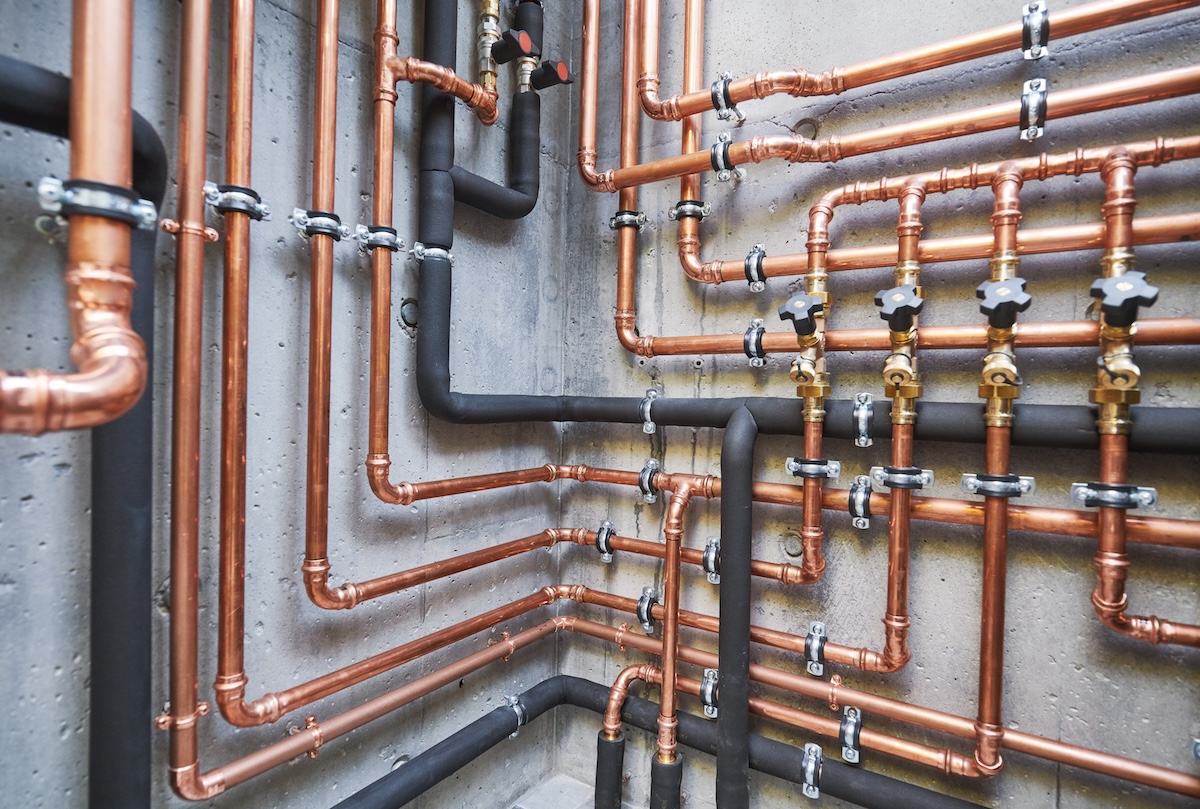
- Circulator pump: Moves hot water through the piping system.
- Expansion tank: Maintains consistent pressure as water expands during heating.
- Radiators or baseboards: Release heat into rooms for comfortable, even warmth.
These parts function as a coordinated system, and a problem with one can impact the entire heating process.
8 Basics of How Boilers Work
A boiler system operates through a series of connected steps, each critical for maintaining comfort and safety in your home. Understanding these basics will help you appreciate how your system functions and why routine maintenance is so important.
1. Fuel Source Ignition
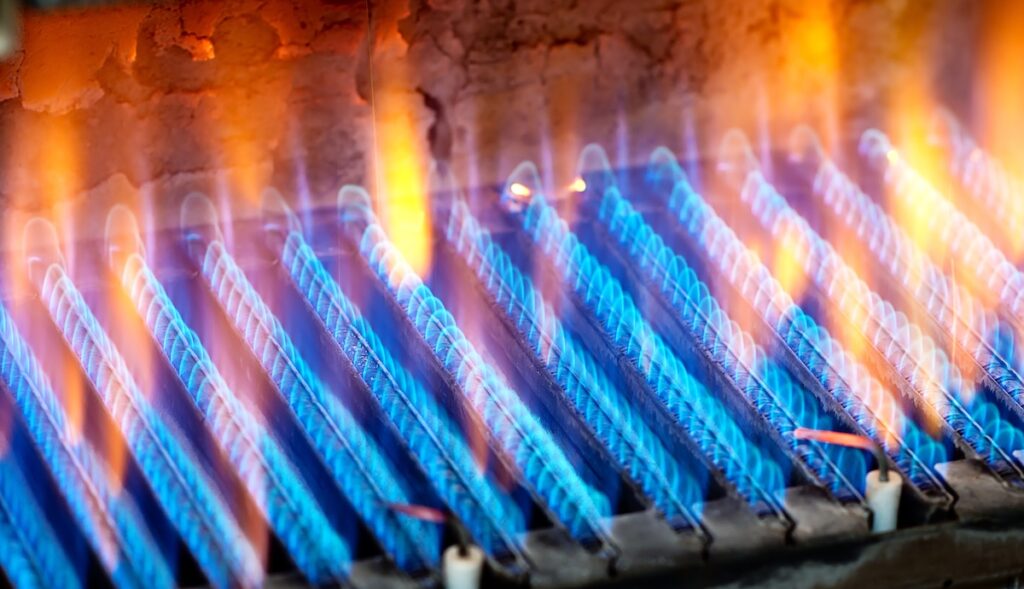
The process begins when your thermostat calls for heat. The boiler ignites its fuel source—whether natural gas, propane, oil, or electricity—to start generating energy for heating.
- Automatic ignition: Modern boilers use electronic ignition for safety and efficiency.
- Controlled combustion: The burner maintains a steady flame to produce consistent heat.
This initial stage sets the foundation for the entire heating cycle.
2. Heat Transfer in the Exchanger
Once the burner is active, heat passes through the boiler’s heat exchanger. This metal component transfers energy directly to the water circulating inside without mixing gases or combustion byproducts.
- Efficient design: The exchanger maximizes surface contact for better energy transfer.
- Corrosion prevention: Stainless steel or cast iron construction resists heat stress and rust.
Efficient heat transfer is crucial for both performance and energy savings.
3. Water Circulation
As water heats up, the system’s circulator pump pushes it through pipes toward radiators or underfloor heating systems.
- Continuous loop: Heated water leaves the boiler, delivers warmth, and returns cooler for reheating.
- Silent operation: Modern circulation systems minimize noise for seamless comfort.
Steady water flow ensures consistent heat throughout every room of your Maplewood home.
4. Radiant Heat Distribution
Unlike forced-air systems, boilers provide radiant heat—warming objects and surfaces instead of just air. This creates a more natural and evenly distributed warmth.
- Comfortable heating: No cold drafts or uneven temperatures.
- Energy efficiency: Radiant systems require less energy to maintain comfort levels.
Radiant heat is one reason homeowners love the steady, cozy warmth that boilers provide.
5. Pressure Regulation
Boiler systems must maintain stable internal pressure to function safely. The expansion tank and pressure relief valve work together to absorb excess pressure and prevent damage.
- Safety control: Prevents overheating or ruptured pipes.
- Pressure balance: Keeps water flow steady throughout the loop.
Regularly checking system pressure is a simple but essential maintenance task.
6. Condensation and Exhaust
In high-efficiency condensing boilers, exhaust gases are cooled until they release additional heat energy—a process called condensation. This reduces waste and increases efficiency.
- Secondary heat recovery: Captures extra heat from exhaust vapor.
- Condensate drainage: Moisture from this process is safely drained away.
This innovative design helps modern boilers achieve efficiency ratings above 90%.
7. Temperature and Thermostat Control
Your thermostat communicates with the boiler to maintain the desired indoor temperature. When the room reaches your set temperature, the system automatically shuts off until more heat is needed.
- Smart thermostats: Many systems integrate with programmable or Wi-Fi thermostats for better control.
- Zoned heating: Some homes have multiple thermostats for customized comfort in different areas.
This automated control ensures efficient energy use and consistent indoor temperatures.
8. Return and Reheating Cycle
After circulating through the radiators or flooring system, cooled water returns to the boiler. The process repeats, keeping your home warm around the clock.
- Closed-loop design: Minimizes water loss and maximizes efficiency.
- Continuous cycle: Provides steady, uninterrupted heat during winter.
This repeating cycle allows boilers to deliver long-lasting, dependable performance.
Maintenance Tips for Boiler Efficiency
Regular maintenance is the key to keeping your boiler running efficiently and safely. Simple steps throughout the year can prevent costly breakdowns and extend your system’s lifespan.
- Check pressure gauges: Maintain levels within the manufacturer’s recommended range.
- Bleed radiators: Remove trapped air that prevents full heating.
- Replace filters: If your system includes filters, change them regularly.
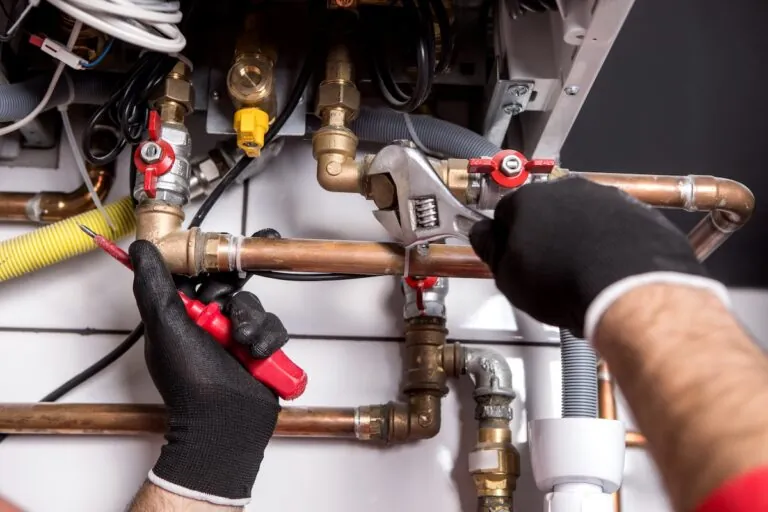
- Schedule annual tune-ups: Professional inspections keep your system operating safely.
Preventive maintenance ensures your boiler remains efficient even through the harshest winter days.
Common Signs of Boiler Issues
Even a well-maintained boiler can develop issues over time. Recognizing warning signs early can save you from expensive repairs or sudden heat loss.
- Unusual noises: Banging or gurgling sounds may signal air or mineral buildup.
- Inconsistent heating: Some rooms stay cold while others overheat.
- Leaks or puddles: Indicate valve or pressure problems.
- Higher energy bills: Suggest your system is running less efficiently.
If you notice any of these symptoms in your Maplewood home, contact Genz-Ryan for a professional inspection.
Trust Genz-Ryan for Expert Boiler Care
Understanding how do boilers work gives you valuable insight into one of the most reliable heating systems available. With regular maintenance and professional care, your boiler can deliver efficient, comfortable heat for decades.
At Genz-Ryan, our certified HVAC technicians specialize in boiler installation, maintenance, and repair for homeowners in Maplewood and surrounding areas. Whether you need a system tune-up, troubleshooting, or expert replacement advice, we’re here to keep your home warm and efficient all winter long.
Stay cozy and confident this season—contact Genz-Ryan today to schedule your boiler service or request a free quote.