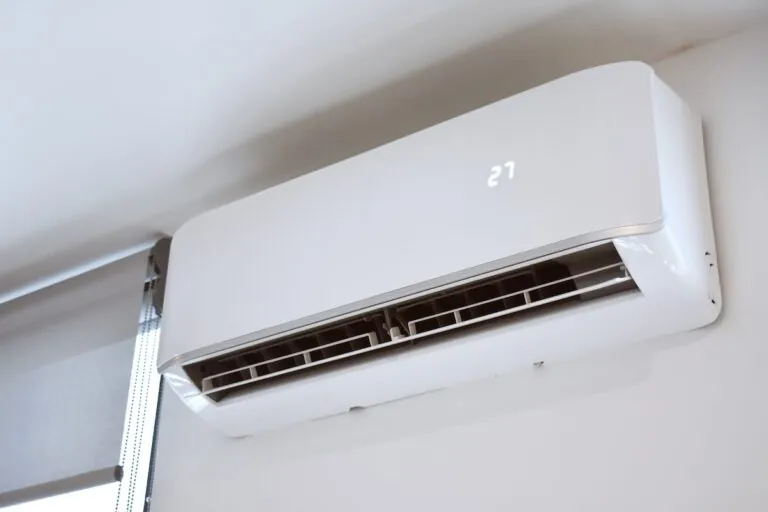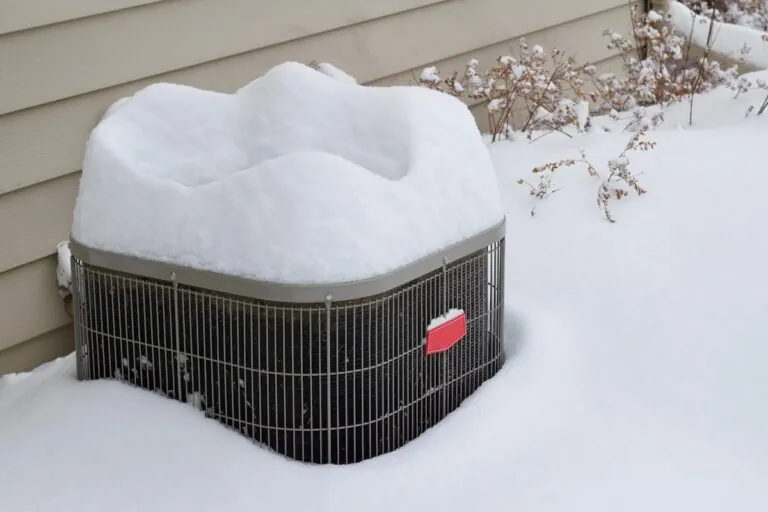


Air conditioning systems are vital for maintaining comfort during hot summer months, but they require regular maintenance to function efficiently. One crucial aspect of AC maintenance often overlooked is cleaning the AC drain line. Want to learn how to clean AC drain line systems? You’re in the right place.
In this comprehensive guide, we’ll cover everything you need to know about AC drain lines, including:
- Their importance
- Cleaning methods
- Maintenance tips
- When to seek professional help
What is an AC Drain Line?

The first step is understanding how to clean ac drain line properly.
An air conditioning drain line is a PVC pipe located near the indoor cooling coil or evaporator coil of your AC unit. Its primary function is to remove condensation produced by the cooling process. As warm air passes over the cold evaporator coil, moisture in the air condenses and drips down into the drain pan. From there, the water exits through the drain line, typically leading outside your home or into a drain.
Importance of AC Drain Line Maintenance
Maintaining a clear and functioning AC drain line is crucial for several reasons:
- Prevents Water Damage: A clogged drain line can cause water to back up into your home, potentially damaging ceilings, walls, and floors.
- Avoids Mold and Mildew: Standing water in the drain pan due to a clogged line creates a breeding ground for mold and mildew, which can spread through your ductwork and compromise indoor air quality.
- Preserves AC Efficiency: A clean drain line helps your AC unit operate efficiently by allowing moisture to drain properly, preventing the system from overworking and reducing energy consumption.
Signs of Damage to Your AC Drain Line
Detecting issues with your AC drain line early can prevent extensive damage. Look out for these warning signs:
- Water Leaks: Any signs of water leakage near the air handler or beneath it indicate a potential issue with the drain line.
- Humid Indoor Air: If your home feels more humid than usual despite the AC running, it could be due to a clogged drain line.
- Visible Mold or Algae: Growth around the drain line or in the vicinity of the air handler suggests standing water and poor drainage.
- Strange Odors: Musty or moldy odors coming from your vents can indicate mold growth in the drain pan or line.
Why Regular Cleaning is Necessary
Regular cleaning of the AC drain line prevents clogs and ensures proper drainage. Over time, mold, algae, dirt, and debris can accumulate in the drain line, restricting water flow. Cleaning the line annually or bi-annually (depending on climate and usage) is recommended to maintain optimal AC performance and prevent costly repairs.
Finally, knowing how to clean ac drain line enhances your AC’s longevity.
How to Clean AC Drain Line: 8 Steps to Success
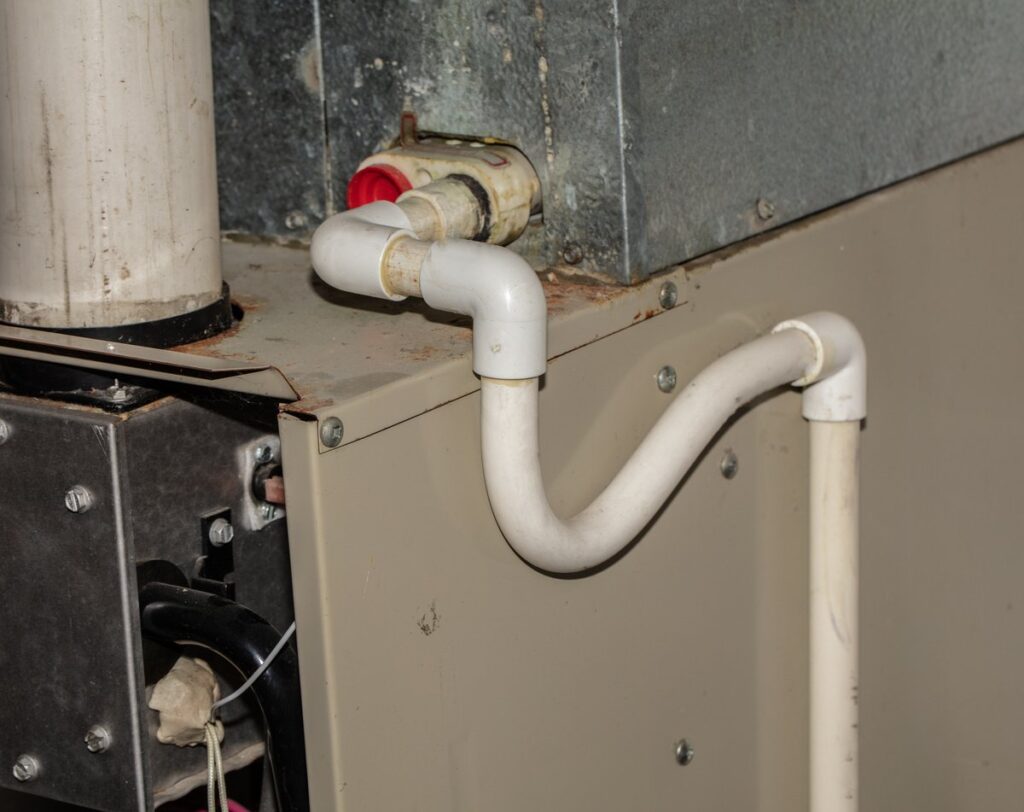
In case of clogs, knowing how to clean ac drain line is crucial.
Cleaning your AC drain line is a straightforward task that can be done with basic tools and household items. Here’s a step-by-step guide:
Materials Needed:
- Wet/dry vacuum or shop vac
- Distilled vinegar or bleach
- Water
- Funnel or cup
- Towels or rags
1) Turn Off the Power:
Locate the AC unit’s breaker switch and turn off power to the unit. Safety first!
Homeowners often ask how to clean ac drain line for better performance.
2) Access the Drain Line:
Find the access point to the drain line. This is usually near the indoor air handler or in the attic if your unit is located there.
Professionals often advise homeowners on how to clean ac drain line.
3) Vacuum Out Debris:
Use a wet/dry vacuum to suction out any visible debris or sludge from the drain line. Attach the vacuum hose to the drain opening securely.
Learning how to clean ac drain line is vital for effective AC maintenance.
4) Flush with Vinegar or Bleach Solution:
Mix equal parts distilled vinegar (or bleach) and water in a cup or funnel. Pour the solution into the drain line to clear out remaining buildup and kill mold or algae.
Follow these simple steps on how to clean ac drain line effectively.
5) Let the Solution Sit:
Learning how to clean ac drain line ensures your system runs smoothly.
Allow the vinegar or bleach solution to sit in the drain line for at least 30 minutes to break down deposits.
Next, you’ll see how to clean ac drain line for optimal results.
One essential task is knowing how to clean ac drain line before summer.
6) Flush with Water:
After sufficient time has passed, flush the drain line with clean water to remove the loosened debris and remaining solution.
7) Check for Proper Drainage:
Once cleaned, observe the drain line to ensure water flows freely through it without backing up.
8) Restore Power:
Understanding how to clean ac drain line can save you costly repairs.
After confirming the drain line is clear, restore power to the AC unit by turning on the breaker switch.
Common Mistakes to Avoid (From Our Technicians)
Our techs see the same DIY mistakes come through our service calls over and over. Here’s what to watch out for:
It’s simple to follow the steps on how to clean ac drain line.
Using full-strength bleach. A lot of online guides recommend pouring straight bleach down the drain line. While a diluted solution is fine occasionally, full-strength bleach can corrode fittings and damage the glue that holds PVC joints together over time. It can also react with residue inside the line and produce fumes. Stick with vinegar for routine maintenance — it’s just as effective and much safer for your system.
Once you learn how to clean ac drain line, it becomes routine.
Forgetting to turn off the system. This one’s more common than you’d think. Working on the drain line with the AC running means condensation is still forming while you’re trying to clear it, and you’re creating an electrical safety risk near the air handler. Always power down at the thermostat and the breaker. By learning how to clean ac drain line, you’ll prevent clogs.
Only cleaning from one end. Most homeowners pour a solution in through the access point and call it a day. But if the clog is near the outdoor exit, it may not get reached. For a thorough cleaning, work from both ends — pour solution in from the access point and vacuum from the outdoor end.
Ignoring the drain pan. The drain line starts at the pan, so if the pan is full of sludge and mold, you’re just re-clogging the line every time the system runs. Always clean the drain pan when you clean the line. Ensure you know how to clean ac drain line before turning your AC on.
Using a pressure washer or compressed air. We’ve seen homeowners blast compressed air or even a pressure washer into the drain line to clear a clog. This can crack PVC fittings, blow apart joints, and push debris further into the line rather than clearing it. A wet/dry vacuum with gentle suction is all you need. Consult online resources on how to clean ac drain line for detailed guides.
Skipping the confirmation step. After cleaning, always pour water through the line and verify that it’s flowing at the outdoor exit. If you skip this step, you won’t know whether the clog actually cleared until you’re dealing with a puddle on the floor or a system shutdown. Proper drainage involves understanding how to clean ac drain line.
How Often Should You Clean Your AC Drain Line?
The frequency of cleaning your AC drain line depends on several factors:
- Climate: In humid climates, where AC units work harder and produce more condensation, more frequent cleaning (every 6 months) may be necessary.
- Usage: Units that run year-round or for extended periods during summer should be checked more frequently.
- Maintenance History: Regular maintenance of your entire AC system, including the drain line, can help determine if cleaning is needed more or less frequently. With these tips, mastering how to clean ac drain line is easy.
Minnesota-Specific Tips for AC Drain Line Maintenance
Remember, it’s essential to know how to clean ac drain line yearly, cause Minnesota’s climate creates some unique conditions for your AC drain line that homeowners in other states don’t have to think about. Here’s what our Twin Cities technicians recommend:
Time your cleaning for late April or early May. Minnesota’s cooling season typically runs from late May through September, but you want to clean the drain line before you fire up the AC for the first time. We recommend scheduling your annual AC maintenance — including a drain line check — at the end of April or beginning of May. This gives you time to catch problems before the heat hits. It’s essential to know how to clean ac drain line to maintain efficiency.
Humidity is a bigger factor than you think. Minnesota summers can be surprisingly humid, especially in July and August when dew points regularly climb into the upper 60s and 70s. High humidity means your AC is pulling significantly more moisture out of the air, which means more condensation flowing through the drain line. During the peak humidity months, your drain line is working harder than at any other time of year — and that’s when clogs are most likely to form. If you’ve cleaned the line in the spring, consider a quick mid-summer vinegar flush in July to stay ahead of buildup.
Watch out for spring pollen and cottonwood. If you’ve lived in the Twin Cities for more than a season, you know about cottonwood season. Those fluffy seeds and heavy pollen loads in late May and June don’t just clog your outdoor condenser — fine particles can get pulled into your system and contribute to drain line buildup from the inside. A clean air filter helps, but the drain line itself still accumulates residue from all that extra particulate matter in the air.
Basement air handlers and spring thaw. Many Minnesota homes have the air handler in the basement. During the spring thaw — when snowmelt raises the water table and basement humidity spikes — the drain line’s exit point can get blocked by ice, debris, or backed-up water near the foundation. Before you turn on your AC for the season, check the outdoor drain exit to make sure it’s clear and draining away from the house. Each spring, focus on how to clean ac drain line to prevent issues.
Winter dormancy doesn’t mean you’re in the clear. Even though your AC isn’t running during Minnesota winters, the drain line can still develop problems. Stagnant water left in the line from fall can freeze, and mold or algae can continue to grow in warmer indoor sections of the pipe. That’s why a spring cleaning before your first use is essential — not optional. Being proactive about how to clean ac drain line can prevent emergencies. If you’re unsure, researching how to clean ac drain line can help.
When to Call a Professional
Cleaning your AC drain line is a manageable DIY task, and we encourage homeowners to stay on top of it. But there are situations where the smartest move is to call in a professional: Ultimately, knowing how to clean ac drain line is advantageous for every homeowner. To recap, here’s how to clean ac drain line effectively.
The clog keeps coming back. If you’ve cleaned the line thoroughly and it clogs again within a few weeks, there’s likely a deeper issue — a sag in the pipe, a damaged fitting, or a structural problem with the drain routing. Our technicians can camera-inspect the line to find the root cause.
Water damage has already occurred. If you’re seeing water stains on your ceiling, warped flooring, or wet drywall near the air handler, don’t just clean the line and hope for the best. Water damage can lead to mold growth inside walls and ceilings, which requires professional assessment. We can evaluate both the HVAC issue and the extent of the damage.
You can’t locate the access point or drain exit. Not every system is set up the same way, and some older Minnesota homes have drain lines routed in unconventional ways. If you can’t find the access point, or if the drain line runs into a location you can’t reach safely, let a technician handle it.
Your system has a cracked or overflowing drain pan. The drain pan itself can crack, rust, or corrode over time — especially in older systems. If the pan is visibly damaged or if water is leaking from underneath the air handler rather than from the drain line, the pan likely needs to be replaced. This is a job for a professional.
The float switch keeps tripping. If your AC repeatedly shuts down and the float switch is the cause, there may be an issue beyond a simple clog — the switch itself could be faulty, or there could be a problem with the drain line’s pitch or routing.
You smell sewage, not just mustiness. A musty smell usually points to mold or stagnant water. But a sewage smell near the drain line can indicate a problem with the P-trap (the curved section of pipe that prevents sewer gas from entering your home) or a connection issue with your home’s plumbing. This needs a professional diagnosis.
You’re not comfortable working around the air handler. There’s no shame in calling a pro. If you’re unsure about turning off breakers, locating components, or working in a tight space, our team is happy to handle it. A drain line cleaning is part of our standard AC maintenance service, and we can inspect the rest of your system while we’re at it. Following instructions on how to clean ac drain line is essential.
At Genz-Ryan, our technicians provide comprehensive AC maintenance that includes drain line cleaning, pan inspection, coil cleaning, and a full system check — so you’re covered for the entire cooling season. Call us at (612) 223-6158 or schedule your AC maintenance online.
Other AC Maintenance Tips
To keep your air conditioning system running smoothly and efficiently, consider these additional maintenance tips:
Change Air Filters Regularly:
Clogged filters restrict airflow and strain the AC system, leading to inefficiency and potential damage.
Inspect Ductwork:
Periodically check ducts for leaks, gaps, or disconnections that could compromise cooling efficiency.
Schedule Professional Maintenance:
Annual maintenance by a certified HVAC technician can identify potential issues early, prolonging the life of your AC unit.
Monitor Thermostat Settings:
Optimize cooling efficiency by setting your thermostat appropriately and consider upgrading to a programmable thermostat for better control.
Keep the Surrounding Area Clean:
For more tips on how to clean ac drain line, reach out to professionals.Ensure the area around your outdoor AC unit is free from debris, foliage, and other obstructions that could hinder airflow.
Keep Your Air Conditioner’s Drain Line In Top Notch Shape!
Regular maintenance of your AC drain line is essential for preventing water damage, maintaining indoor air quality, and preserving the efficiency of your cooling system. Remember, when in doubt or facing persistent issues, consulting with a professional HVAC technician is always a prudent choice to safeguard your investment and home comfort.
Are you worried about tackling your air conditioner repairs all on your own? With Genz-Ryan you don’t have to! Contact us today for the support you deserve! Our guide on how to clean ac drain line will help you maintain your HVAC system.
(Last Update 13/04/26)