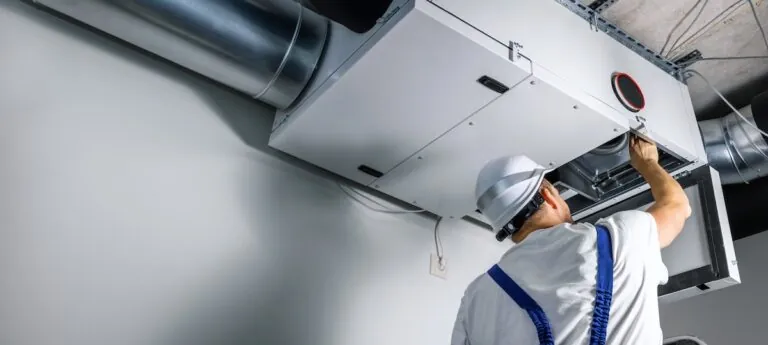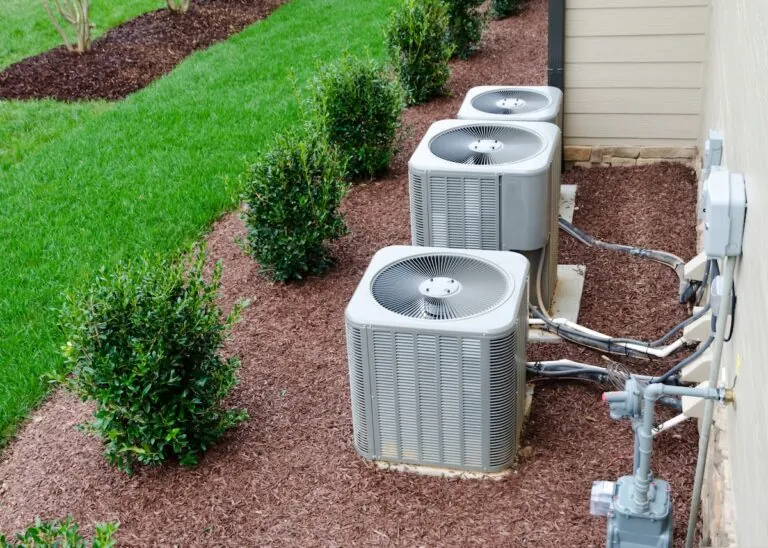


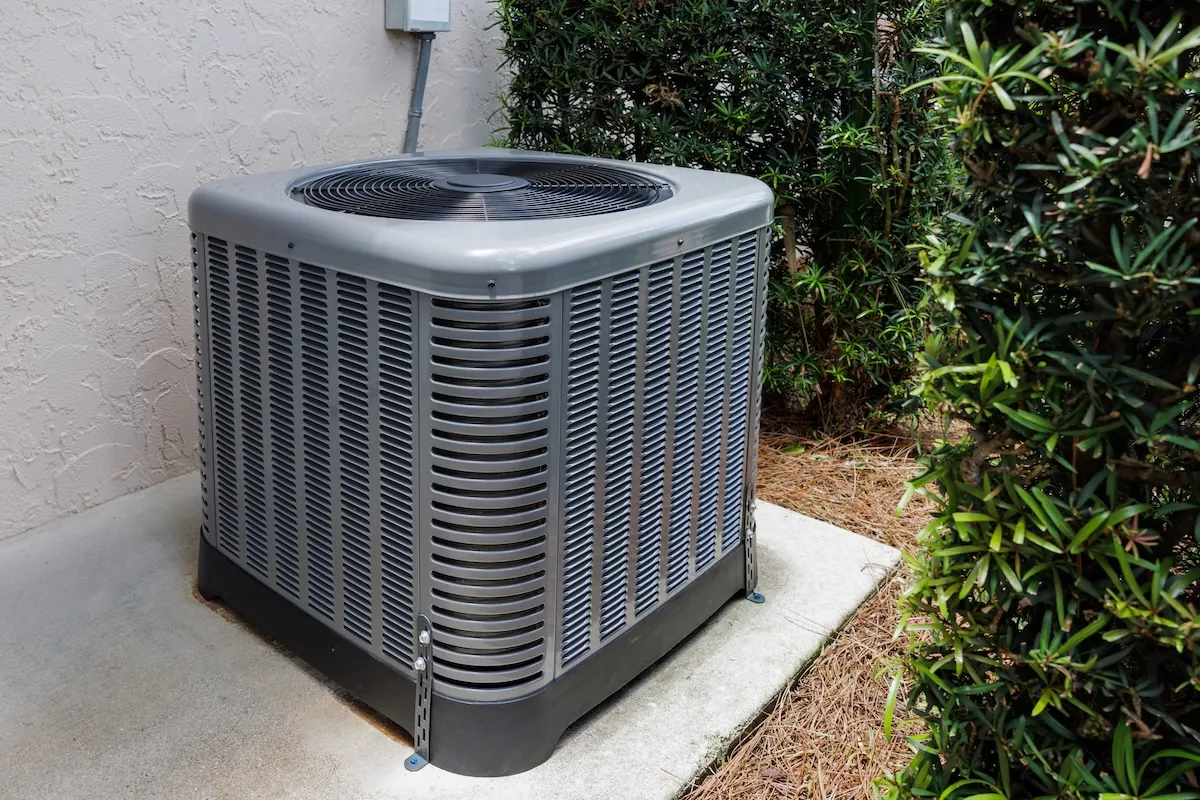
Learning how to unclog AC drain line problems is an important part of winter home maintenance. Even though your air conditioner isn’t in heavy use during the colder months, its condensate drain line can still develop blockages that lead to leaks, mold, or water damage. For homeowners in Eden Prairie and surrounding areas, keeping this part of your HVAC system clear ensures your home stays safe, dry, and ready for next cooling season.
Before getting started, here’s why unclogging the drain line matters:
- Prevent water damage: A clogged line can cause condensation to back up into your system or walls.
- Avoid mold growth: Stagnant water promotes mildew and unpleasant odors.
- Protect HVAC performance: Regular maintenance reduces strain on your system’s components.
Follow these six simple steps to keep your AC drain line clear and functioning properly this winter.
What Is an AC Drain Line?
Your AC drain line, also known as a condensate line, carries moisture away from your cooling system. As your air conditioner removes humidity from the air, water drips into a drain pan and exits through this narrow PVC pipe. When dust, algae, or debris accumulate inside the pipe, it can block water flow and cause backups.
- Purpose: Directs condensation safely outside your home or to a designated drain.
- Location: Usually runs from the indoor air handler to an exterior wall or floor drain.
- Common issues: Algae, rust, and dirt buildup are the most frequent causes of clogs.
Knowing how this component works makes it easier to maintain and troubleshoot.
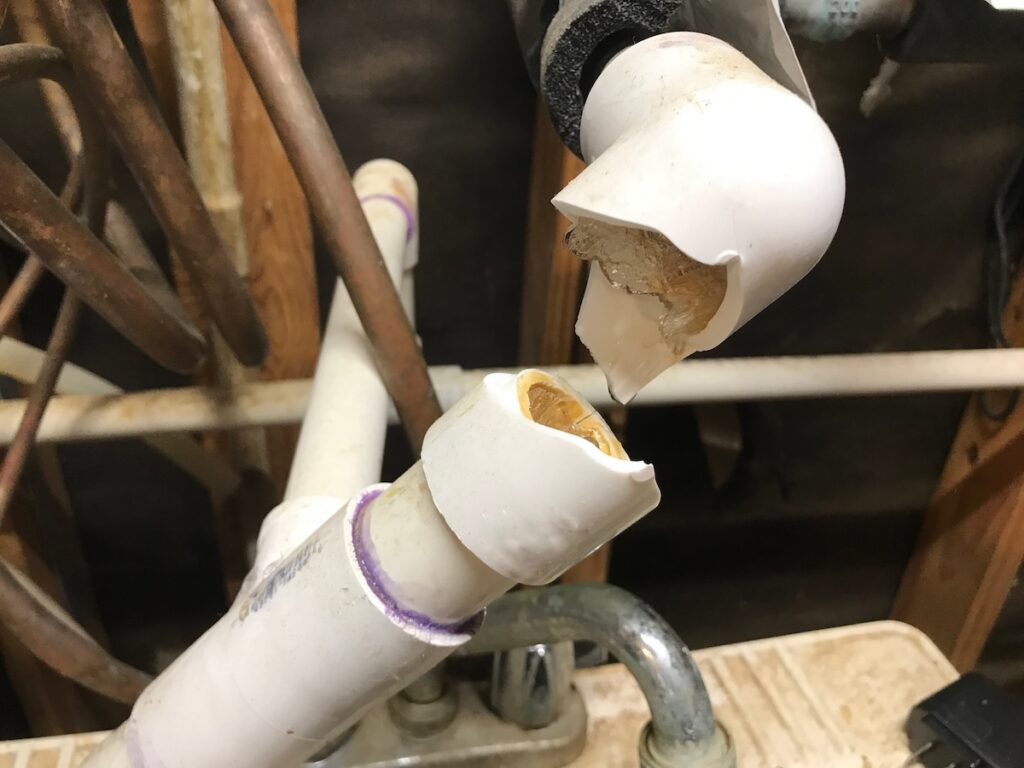
Signs of a Clogged AC Drain Line
Spotting early warning signs of a clogged drain line can prevent expensive repairs or water damage later.
- Standing water: Puddles near your indoor unit indicate drainage issues.
- Musty odors: Mold and mildew grow quickly inside blocked pipes.
- AC shutdown: Many modern systems automatically power off when the line is clogged.
- Humidity spikes: Poor drainage reduces moisture removal, leading to clammy indoor air.
If you notice any of these symptoms in your Eden Prairie home, it’s time to clear the line before it worsens.
1. Turn Off Your HVAC System
Before cleaning or inspecting your drain line, always turn off the HVAC system. This ensures safety and prevents additional condensation from forming while you work.
- Power down completely: Use the thermostat and circuit breaker to shut off power to your air handler.
- Wait for stillness: Allow the system to stop running before beginning any maintenance.
This small precaution protects both you and your equipment from potential electrical hazards.
2. Locate the Drain Line and Access Point
The AC drain line is usually a white PVC pipe running from the indoor unit to an external wall. Look for a T-shaped access vent with a removable cap near the air handler.
- Indoor location: Commonly found in basements, utility closets, or attics.
- Access cap: Remove the top cap carefully to check for visible blockages.
- Drain outlet: Identify where the line exits your home so you can monitor water flow later.
Having both ends of the drain line in sight makes the cleaning process easier and more effective.
3. Inspect for Visible Blockages
Shine a flashlight into the access point and examine the drain for clogs. You may notice slimy residue or standing water inside.
- Use gloves: Drain lines can contain bacteria or mold.
- Check for algae: Green or black buildup is a common cause of slow drainage.
- Test drainage: Pour a small amount of water into the line to see if it flows freely.
If the water backs up or drains slowly, it’s time for a more thorough cleaning.
4. Flush the Line with Vinegar or Cleaning Solution
Vinegar is one of the safest and most effective ways to remove algae and bacteria from your AC drain line. It also helps prevent future clogs by killing microbial growth.
- Use distilled white vinegar: Pour about one cup into the access point.
- Let it sit: Wait 30–60 minutes to allow the vinegar to break down buildup.
- Flush with warm water: After soaking, rinse the line with clean water to clear residue.
Avoid using bleach, as it can damage plastic piping and harm your HVAC components over time.
5. Use a Wet/Dry Vacuum for Deep Cleaning
For stubborn clogs, a wet/dry shop vacuum can be extremely effective. Attach the hose to the outdoor end of the drain line to suction out debris.
- Seal the connection: Wrap a towel or duct tape around the hose for a tight fit.
- Vacuum for 2–3 minutes: This should pull out algae, dirt, and other blockages.
- Check results: Pour a small amount of water through the line to confirm it’s clear.
If water flows smoothly, your line is clean. If not, you may need professional assistance from Genz-Ryan to locate and remove deeper blockages.
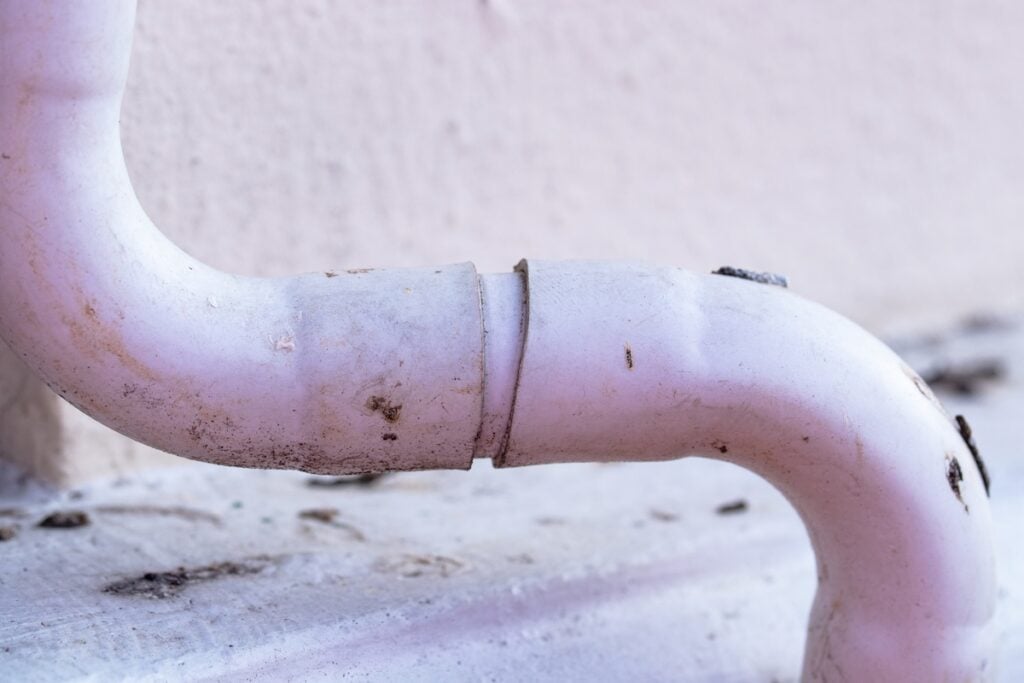
Preventing Future Clogs
Keeping your AC drain line clear doesn’t end after one cleaning. Routine maintenance throughout the year helps prevent buildup and ensures reliable operation.
- Monthly flush: Pour one cup of vinegar into the drain line every month.
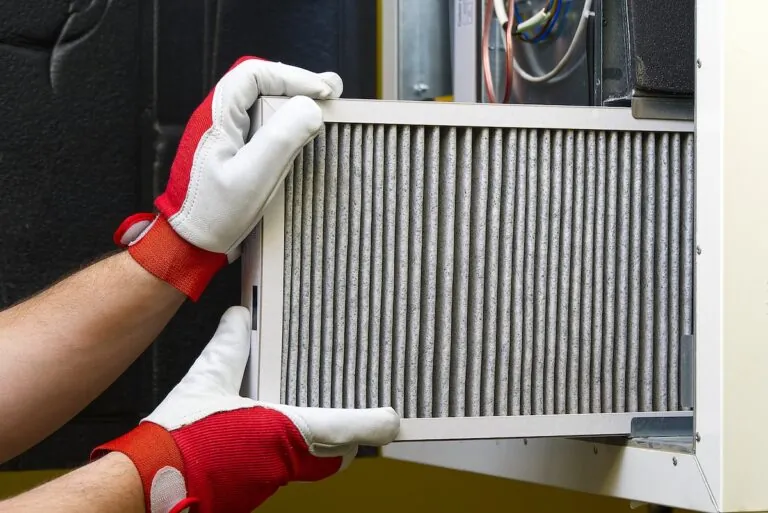
- Replace air filters: Dirty filters increase dust and debris that end up in the drain.
- Maintain proper humidity: Balanced indoor humidity reduces condensation and microbial growth.
- Schedule professional service: Have your HVAC system inspected annually before summer.
Consistent upkeep keeps your air conditioning system efficient and prevents unpleasant surprises during the cooling season.
Why AC Drain Lines Clog More in Winter
Although your air conditioner isn’t actively cooling, condensation can still form from temperature fluctuations or when your HVAC system operates in heat pump mode. Additionally, debris that collected during summer can dry and harden inside the line, setting the stage for future clogs.
- Reduced use: Water sits stagnant, allowing mold to grow.
- Temperature swings: Warm indoor air meeting cold surfaces can create small amounts of condensation.
- Neglected maintenance: Homeowners often forget about the AC system during winter.
That’s why winter is the perfect time for preventive maintenance—it prepares your system for smooth performance once warm weather returns.
When to Call a Professional
If your AC drain line remains clogged after trying these steps, or if you notice recurring issues, it’s best to call a professional HVAC technician.
- Persistent clogs: Repeated blockages may indicate a larger drainage or installation problem.
- Water damage: Moisture around the air handler could mean the pan or float switch is malfunctioning.
- System shutoff: Some systems automatically power down when drainage fails to prevent flooding.
Genz-Ryan’s experienced technicians can clear even the toughest blockages and ensure your system is draining efficiently year-round.
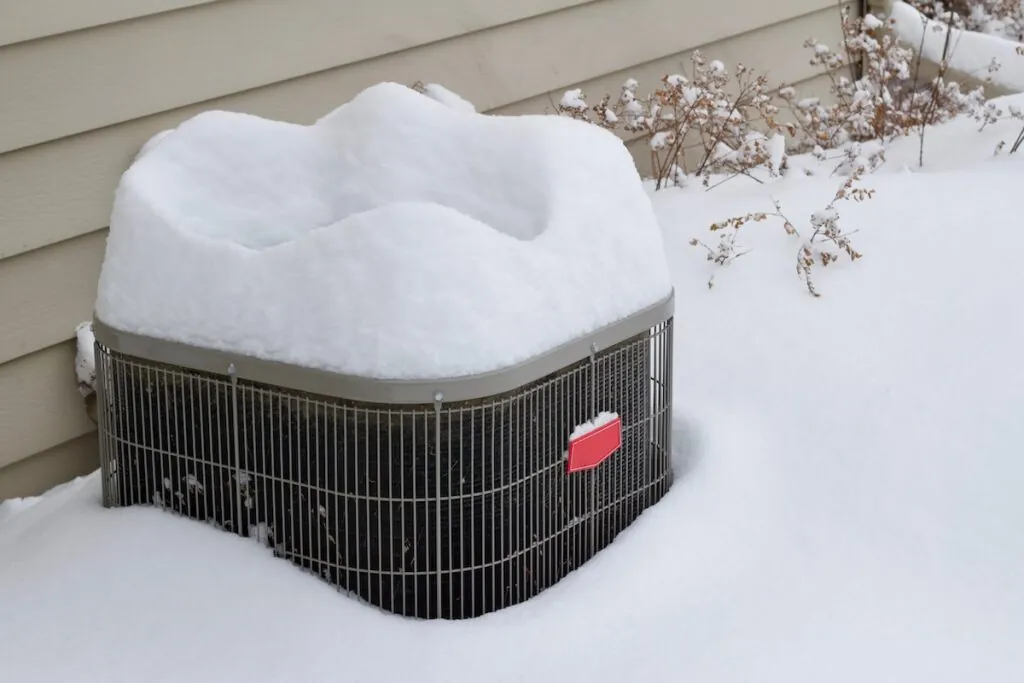
Stay Ahead with Genz-Ryan’s HVAC Expertise
Knowing how to unclog AC drain line issues is a valuable skill for every homeowner, but professional maintenance ensures complete peace of mind. A clean drain line keeps your system efficient, protects indoor air quality, and prevents expensive water damage.
At Genz-Ryan, our trusted technicians provide full HVAC care for homeowners in Eden Prairie and surrounding areas—including seasonal inspections, cleanings, and preventive maintenance.
Don’t let small clogs lead to big problems this winter. Contact Genz-Ryan today to schedule your HVAC maintenance or request a free quote for drain line service.