




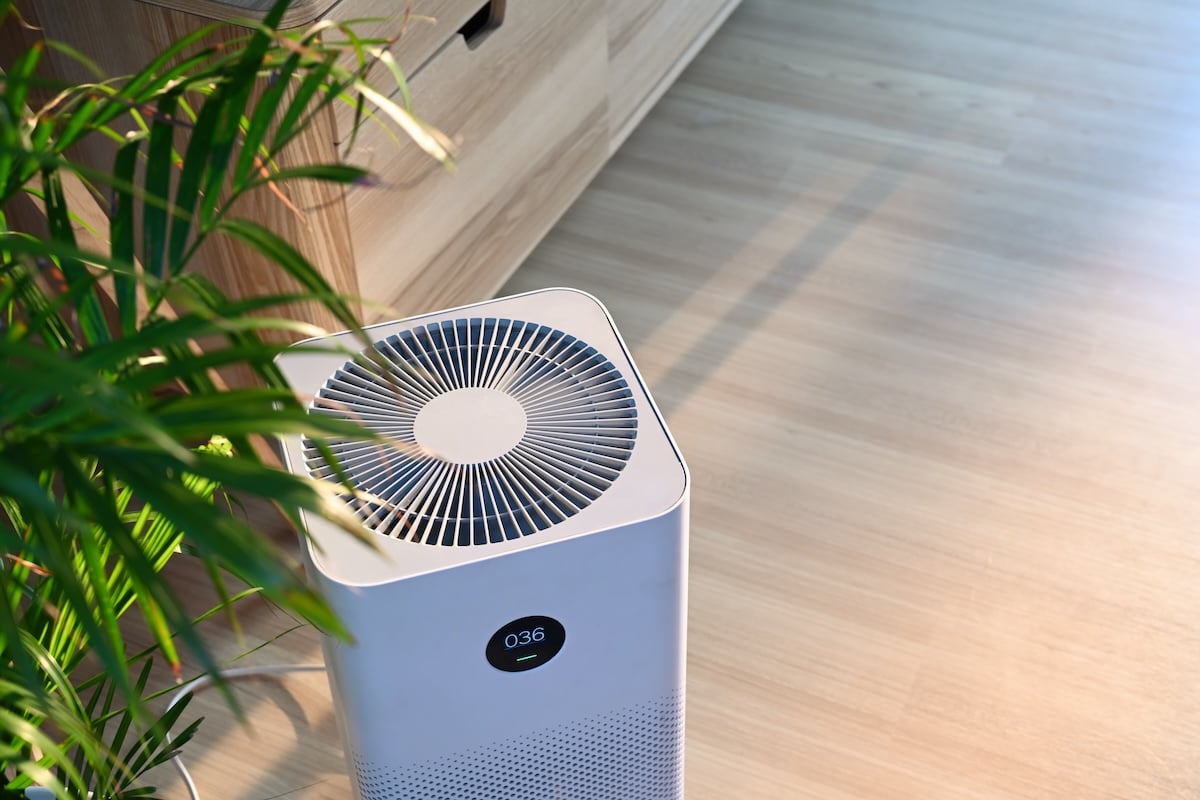
As temperatures drop and windows stay closed, indoor air quality testing becomes increasingly important for maintaining a healthy home environment. During Minnesota’s long winters, homes in Richfield and surrounding areas are sealed tightly to conserve heat—but that same insulation can trap allergens, pollutants, and moisture indoors. Testing your air before winter helps identify problems early, improve comfort, and protect your family’s health all season long.
Before we dive into the details, here’s why indoor air quality testing matters this time of year:
- Reduced ventilation: Homes stay closed up for months, limiting fresh air exchange.
- Increased contaminants: Dust, pet dander, and pollutants build up faster indoors.
- Health protection: Early testing helps prevent respiratory irritation and illness.
Let’s explore the benefits, methods, and timing for indoor air quality testing before the cold weather sets in.
Why Indoor Air Quality Declines in Winter
When your home’s heating system runs daily, the same air circulates over and over. Without proper ventilation, contaminants multiply.
- Closed windows: Outdoor air exchange drops dramatically.
- Dry air: Low humidity levels increase airborne dust and irritants.
- Combustion byproducts: Gas furnaces and fireplaces can emit carbon monoxide if not vented properly.
- Household pollutants: Cleaning products, paints, and candles release volatile organic compounds (VOCs).
For families in Richfield and surrounding areas, winter creates the perfect conditions for poor air quality—especially if your HVAC system hasn’t been serviced recently.
What Indoor Air Quality Testing Can Detect
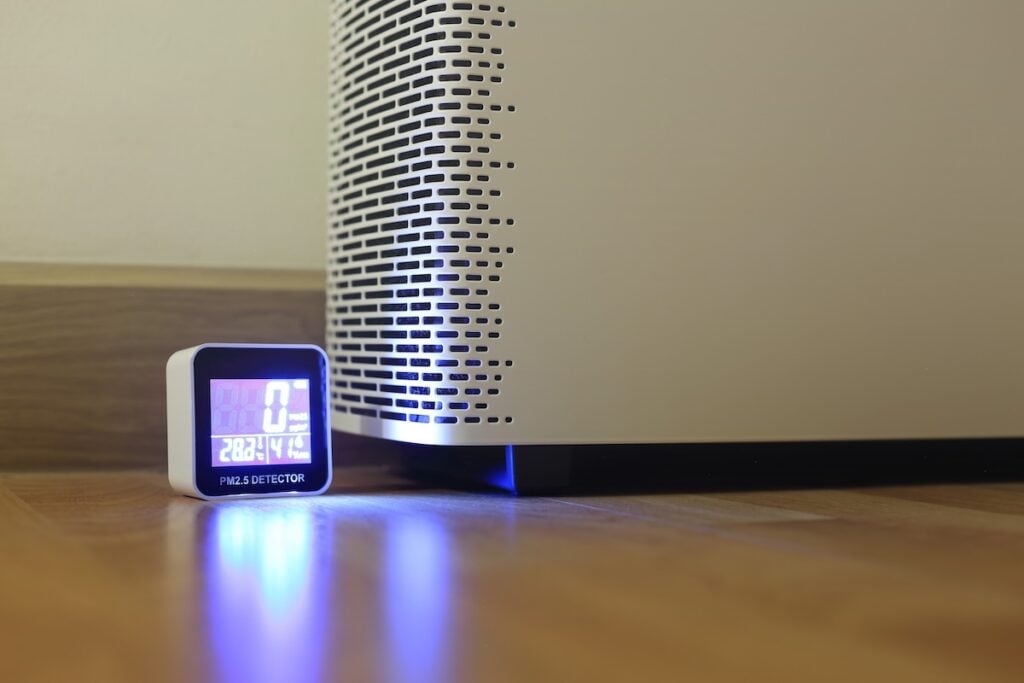
Professional testing evaluates your air for a variety of pollutants that may not be visible but can still affect comfort and health.
- Dust and allergens: Measures airborne particles that aggravate asthma and allergies.
- Mold spores: Detects hidden mold growth behind walls or in HVAC ducts.
- Volatile organic compounds (VOCs): Identifies gases from household cleaners, furniture, and flooring.
- Carbon monoxide (CO): Ensures fuel-burning appliances are venting safely.
- Radon gas: Tests for this odorless, radioactive gas that can enter from the soil.
Comprehensive air testing provides a clear picture of what’s circulating in your home—and what steps you should take to improve it.
The Best Time for Air Quality Testing
Fall is the ideal season for indoor air quality testing. As temperatures cool but before heating season begins, your home’s airflow patterns are transitioning, and this helps technicians identify ventilation weak points and potential sources of contamination.
- Pre-winter testing: Ensures your home’s air is clean before windows close for months.
- Post-renovation: Construction materials can release high levels of VOCs.
- After illness or allergy flare-ups: Persistent symptoms may signal hidden air quality issues.
Getting a professional test before winter allows time for improvements—like duct cleaning, filter upgrades, or adding purification systems—before cold weather fully sets in.
6 Reasons to Test Indoor Air Quality Before Winter
Testing your air before winter isn’t just about comfort—it’s about prevention. Here are six compelling reasons to make it part of your seasonal maintenance routine.

1. Identify Hidden Contaminants
You can’t fix what you can’t see. Air testing uncovers pollutants that may be circulating unnoticed, including carbon monoxide, radon, and mold spores. Early detection keeps small issues from becoming major health or safety problems.
2. Improve Respiratory Health
Cold, dry winter air can trigger respiratory irritation, especially when combined with dust and indoor allergens. By pinpointing problem areas, air testing helps reduce symptoms like coughing, congestion, and sore throats.
3. Enhance HVAC Efficiency
A buildup of dust and contaminants in your ducts can restrict airflow, forcing your furnace to work harder. Air quality testing identifies when it’s time for duct cleaning or filter replacement—improving efficiency and lowering energy bills.
4. Protect Against Mold and Moisture
Moisture buildup from humidifiers, showers, or poor ventilation can lead to mold growth. Testing for humidity and spores allows you to take corrective action before mold spreads through your home.
5. Ensure Safety From Carbon Monoxide
Fuel-burning furnaces, fireplaces, and water heaters can release carbon monoxide if not vented properly. Air quality testing helps detect unsafe CO levels, ensuring your family’s safety through the winter heating season.
6. Maintain Overall Comfort
Clean indoor air simply feels better. Testing helps balance humidity, reduce odors, and eliminate stale air—making your home more enjoyable when you’re spending extra time indoors during the winter months.
How Indoor Air Quality Testing Works
Professional testing combines advanced tools and analysis to measure airborne contaminants accurately. Genz-Ryan’s technicians use specialized instruments to detect pollutants and recommend effective solutions.
- Air sampling: Collects and analyzes air from different rooms for allergens and pollutants.
- Humidity readings: Identifies whether your indoor air is too dry or too moist.
- Duct inspection: Evaluates dust accumulation and possible mold growth.
- CO and radon testing: Measures invisible gases that could pose safety risks.
Once the results are in, you’ll receive a detailed report outlining your home’s air quality and specific recommendations for improvement.
Improving Indoor Air Quality After Testing
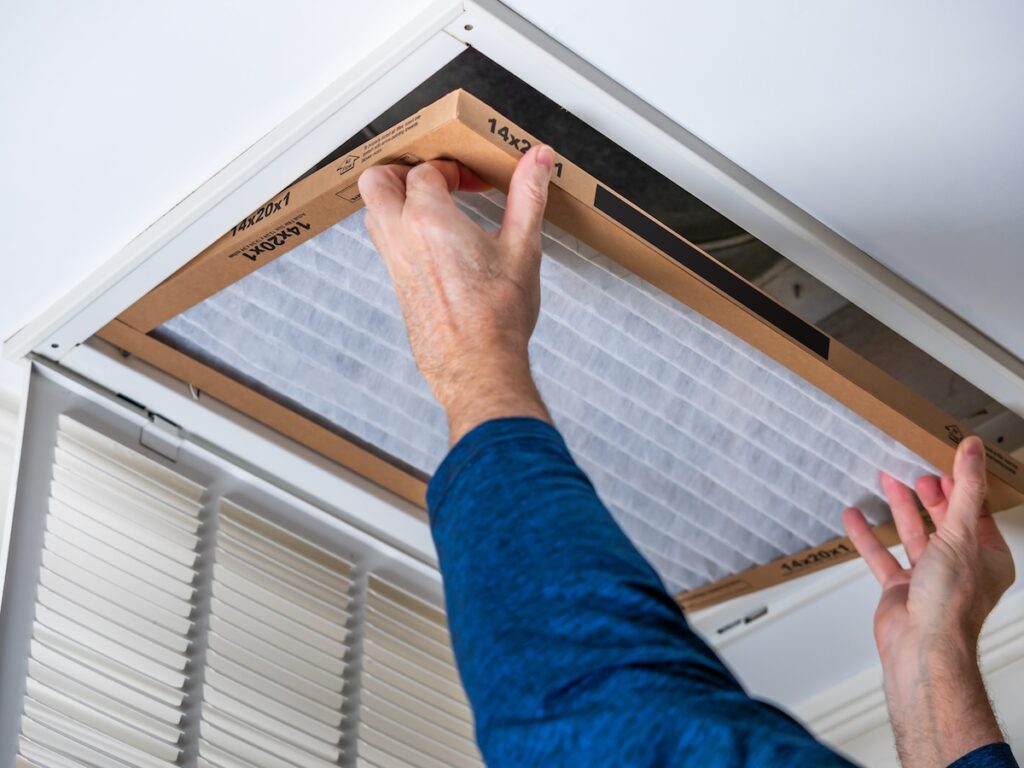
After completing indoor air quality testing, small adjustments can make a big difference in the cleanliness and freshness of your indoor air.
- Replace air filters: Change furnace filters every 1–3 months for cleaner airflow.
- Seal leaks: Prevent outdoor air infiltration that can introduce dust and pollutants.
- Add air purifiers: HEPA filtration systems remove fine particles and allergens.
- Balance humidity: Use humidifiers or dehumidifiers to maintain 30–50% indoor humidity.
- Schedule duct cleaning: Remove buildup that traps dust and spores inside your HVAC system.
These upgrades help maintain healthy air long after your initial testing is complete.
Common Winter Air Quality Issues in Minnesota Homes
Winter brings specific air challenges for homes in Richfield and surrounding areas. Dry air, low ventilation, and constant furnace use can intensify air quality concerns.
- Static electricity: Dry air increases static shocks and discomfort.
- Dust circulation: Constant heating stirs up settled dust from vents and furniture.
- Dry skin and sinuses: Lack of humidity can cause irritation and fatigue.
- Cooking and fireplace emissions: These contribute to indoor pollutants during the holidays.
By recognizing these patterns early, you can take proactive steps to maintain a healthier indoor environment.
Professional vs. DIY Air Quality Testing
While home testing kits are available, professional testing offers more accurate and comprehensive results.
- Advanced equipment: Professionals use calibrated sensors that detect low-level pollutants.
- Detailed analysis: Technicians interpret data and provide actionable solutions.
- Safety checks: Includes inspection for CO leaks and other invisible hazards.
- Peace of mind: Professional testing ensures your family breathes clean, healthy air all winter.
For the most complete assessment, a combination of professional testing and ongoing DIY prevention is ideal.
The Role of HVAC Maintenance in Air Quality
Your HVAC system plays a central role in maintaining indoor air quality. Without regular maintenance, it can circulate dust, allergens, and even mold spores throughout your home.
- Seasonal inspections: Ensure your furnace and ductwork are free of debris and moisture.
- Proper ventilation: Technicians verify that exhaust systems vent properly outdoors.
- Filter upgrades: High-efficiency filters trap finer particles and improve air purity.
Scheduling HVAC service alongside indoor air quality testing maximizes your system’s performance and keeps your family breathing easier.

Breathe Easier with Genz-Ryan
As winter approaches, the air inside your home can become more polluted than the air outside. Scheduling indoor air quality testing before the season begins helps identify hidden issues and ensures your family’s comfort, safety, and well-being.
At Genz-Ryan, our expert technicians specialize in comprehensive air testing and HVAC solutions for homes in Richfield and surrounding areas. From pinpointing contaminants to installing advanced filtration and humidity control systems, we provide everything you need for a healthier home environment.
Don’t wait until dry air and dust take over—contact Genz-Ryan today to schedule your indoor air quality testing or request a free quote.


