

If you rely on a boiler to heat your home, understanding the key parts of a boiler can help you take better care of your system and spot early signs of trouble. While boilers may seem complex, they operate using a few essential components that work together to generate, transfer, and circulate heat. For homeowners in Plymouth and surrounding areas, knowing what these parts do makes it easier to maintain performance, efficiency, and safety all year long.
Before exploring each component in detail, here’s why this knowledge matters:
- Better maintenance: Recognizing key parts helps you identify problems faster.
- Improved efficiency: Understanding how your system works allows smarter upkeep.
- Informed decisions: Knowing your system helps you communicate effectively with your HVAC technician.
Let’s take a closer look at the main components of a boiler and how each one contributes to keeping your home warm and comfortable.
How a Boiler Works
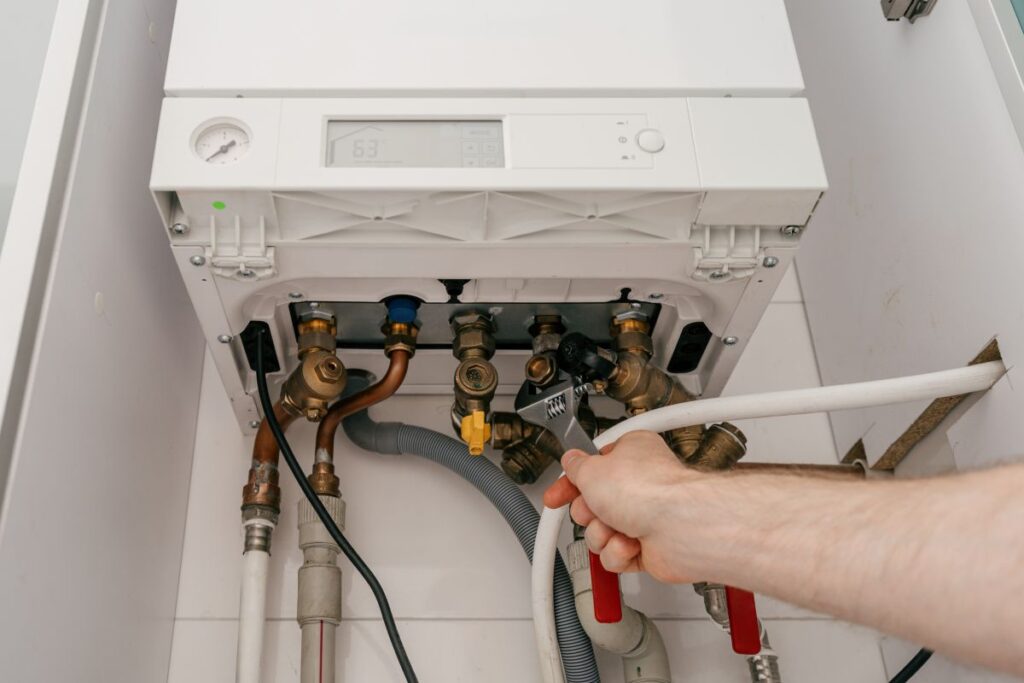
Boilers heat water and circulate it through pipes to radiators, baseboards, or in-floor heating systems. The process begins when your thermostat signals the boiler to turn on. A burner ignites fuel—usually natural gas, to heat water inside the boiler’s heat exchanger. The hot water or steam then travels through a network of pipes, transferring heat throughout your home before returning to the boiler to be reheated.
This closed-loop system is efficient, consistent, and ideal for Minnesota winters. However, because it depends on multiple components working together, even one malfunctioning part can affect the entire system’s performance.
6 Main Parts of a Boiler Every Homeowner Should Know
Each component in your boiler plays a specific role in the heating process. Here are the six main parts every homeowner should be familiar with.
1. Burner
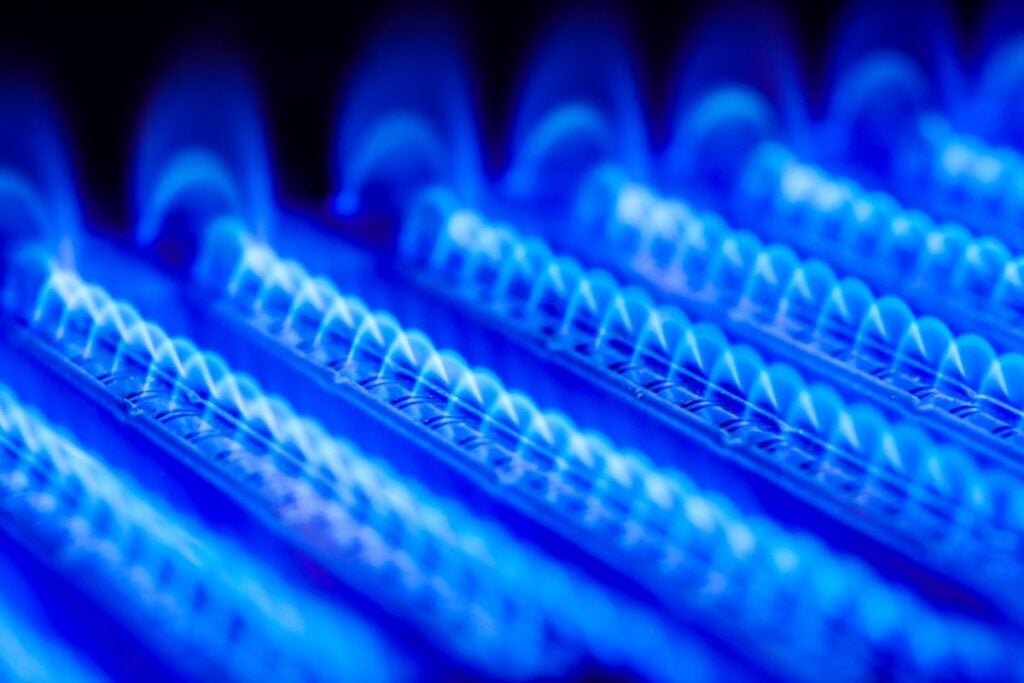
The burner is where the heating process begins. It mixes fuel (usually natural gas) with air and ignites it to produce heat.
- Combustion control: Regulates the air-to-fuel ratio for efficient burning.
- Ignition system: Uses an electric spark or pilot light to start combustion.
- Safety function: Shuts off automatically if gas flow is interrupted.
A dirty or malfunctioning burner can reduce heat output and increase energy costs. Regular inspection ensures proper combustion and safety.
2. Heat Exchanger
The heat exchanger is one of the most critical parts of a boiler. It transfers heat from the burning fuel to the water circulating inside the system.
- Material: Usually made of cast iron, steel, or copper for durability and conductivity.
- Function: Heats water efficiently without direct contact with the flame.
- Maintenance need: Can develop scale buildup over time, reducing efficiency.
Cracks or leaks in the heat exchanger can cause performance issues or dangerous exhaust leaks, which require immediate professional attention.
3. Circulator Pump
Once water is heated, the circulator pump pushes it through your home’s piping system to radiators or in-floor loops.
- Flow control: Ensures consistent distribution of hot water to each heating zone.
- Energy savings: Modern variable-speed pumps adjust output for efficiency.
- Location: Typically mounted near the return line of the boiler.
If your system makes unusual noises or certain rooms stay cooler, the pump may need repair or replacement.
4. Expansion Tank
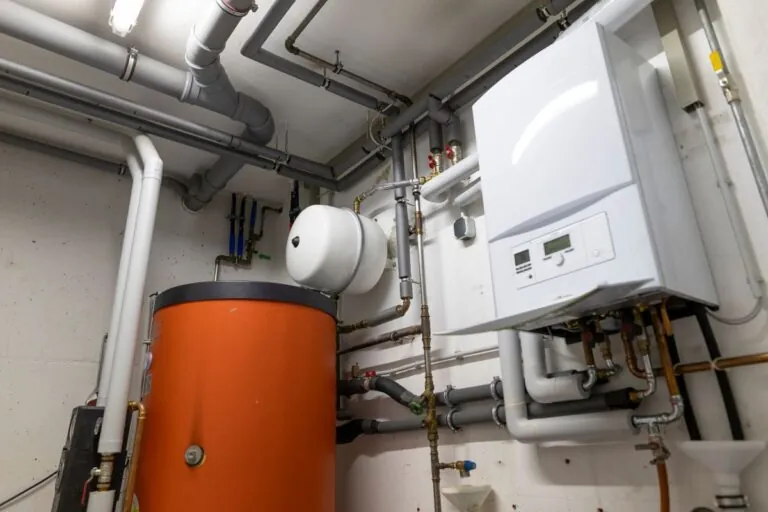
As water heats and expands, the expansion tank absorbs excess pressure to prevent system damage.
- Pressure balance: Maintains stable operation by controlling fluctuations.
- Design: Contains both air and water separated by a rubber diaphragm.
- Safety protection: Prevents stress on pipes and valves.
A failed expansion tank can cause pressure spikes and frequent relief valve discharge. Checking its pressure regularly helps prevent issues.
5. Pressure Relief Valve
This safety component protects your boiler from dangerous pressure buildup. If internal pressure rises above a set limit, the valve automatically releases water to lower it.
- Critical safety role: Prevents system rupture or explosion.
- Annual testing: Ensures the spring and seal are functioning correctly.
- Visual inspection: Look for leaks or corrosion around the valve.
Never plug or disable the relief valve—it’s a vital safety mechanism that keeps your home protected.
6. Combustion Chamber
The combustion chamber is where fuel is burned to generate heat for the system. It’s built to contain high temperatures safely and direct heat toward the heat exchanger.
- Durable construction: Made of metal or ceramic material to withstand intense heat.
- Insulated design: Prevents heat loss and improves efficiency.
- Periodic cleaning: Removes soot buildup that can block airflow.
If you notice unusual odors or smoke, it may indicate combustion issues that require immediate professional service.
Additional Components That Support Boiler Function
Beyond the main parts, several smaller components help your boiler run smoothly and safely. Understanding these supporting elements enhances your overall system knowledge.
- Thermostat: Sends signals to activate the boiler when room temperatures drop.
- Aquastat: Controls boiler water temperature for consistent heating.
- Flue pipe: Directs exhaust gases safely outside the home.
- Low-water cutoff: Shuts off the boiler if water levels drop too low to prevent damage.
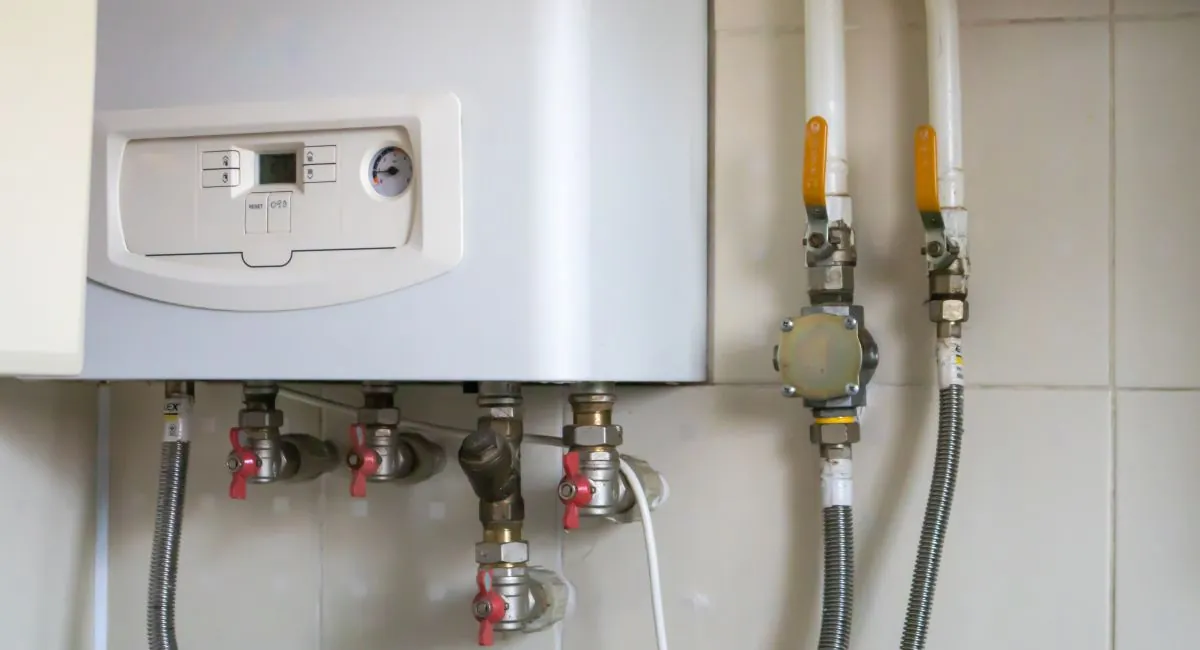
- Pressure gauge: Displays the system’s pressure for monitoring and troubleshooting.
Each of these components contributes to your boiler’s efficiency, safety, and overall comfort performance.
Common Boiler Problems Related to Key Parts
Even a small issue with one component can affect your boiler’s operation. Here are some common problems homeowners encounter and what they may indicate.
- No heat or inconsistent warmth: Could be due to pump failure, thermostat issues, or air trapped in the system.
- High pressure: Often caused by a failing expansion tank or blocked pressure relief valve.
- Unusual noises: Whistling or banging may indicate air in the lines, limescale buildup, or circulation issues.
- Water leaks: Typically occur at valves, fittings, or the heat exchanger.
If you notice any of these signs, it’s best to schedule a professional inspection before the issue worsens.
Importance of Annual Boiler Maintenance
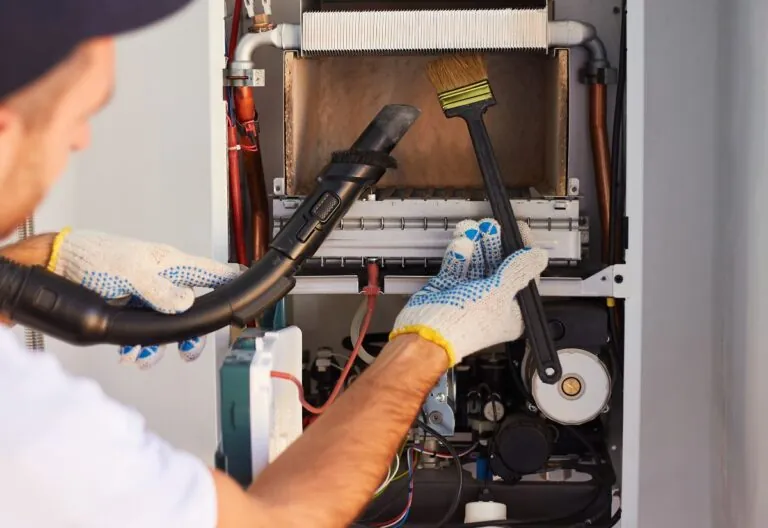
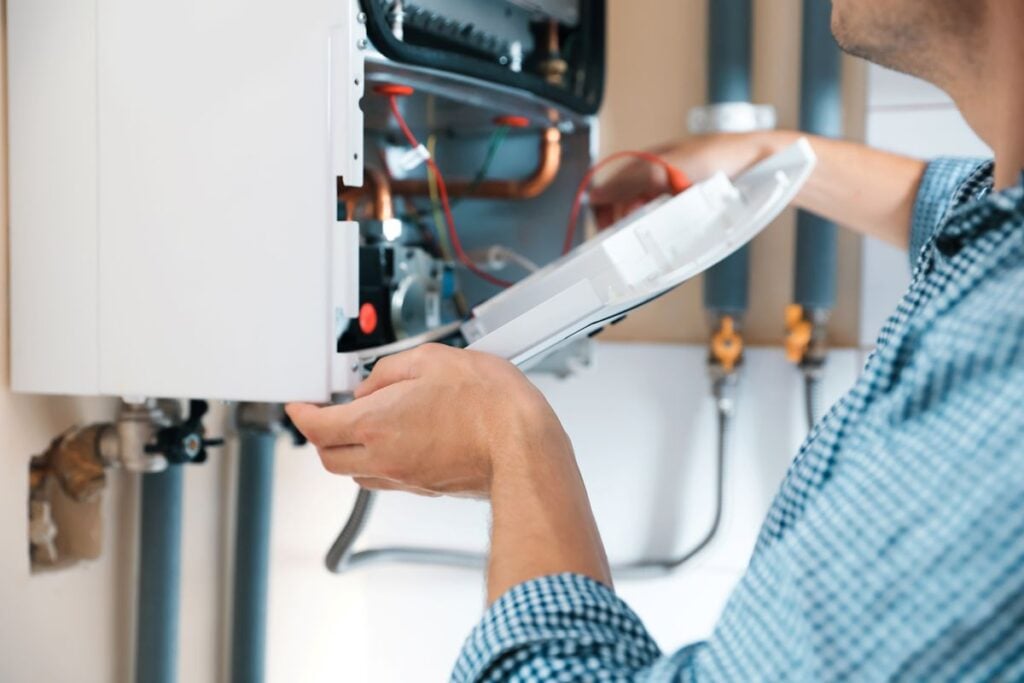
Regular maintenance keeps all parts of a boiler functioning safely and efficiently. Professional service includes cleaning, testing, and adjusting components for peak performance.
- Efficiency tune-ups: Remove soot and sediment to restore heat transfer.
- Safety testing: Check combustion, flue gases, and pressure relief mechanisms.
- Longevity boost: Prevents corrosion and extends equipment lifespan.
Homeowners in Plymouth and surrounding areas benefit from scheduling a tune-up before winter to ensure their system is ready for heavy use.
Why Professional Service Is Essential
While basic cleaning or visual inspections can be done by homeowners, more complex repairs should always be handled by trained technicians.
- Proper tools and training: Professionals can test pressure, calibrate controls, and detect leaks.
- Code compliance: Ensures installation and maintenance meet local safety standards.
- Warranty protection: Professional service keeps manufacturer warranties valid.
Partnering with an experienced HVAC provider guarantees your boiler operates safely, efficiently, and for as long as possible.
Trust Genz-Ryan for Expert Boiler Service
Whether you’re troubleshooting issues or simply want to learn more about the essential parts of a boiler, the experts at Genz-Ryan are here to help. Our licensed technicians provide complete boiler inspection, repair, and maintenance services for homeowners in Plymouth and surrounding areas.
We take pride in ensuring every system we service runs efficiently, safely, and reliably, no matter how cold the Minnesota winter gets.
Keep your boiler performing at its best this season, contact Genz-Ryan today to schedule your boiler maintenance or request a free quote.