

When temperatures drop below freezing, one of the most common winter emergencies homeowners face is plumbing frozen pipes. Water expands as it freezes, and that pressure can cause pipes to crack or burst, leading to costly water damage. For homeowners in St. Louis Park and surrounding areas, understanding how frozen pipes happen, and how to prevent them, can save thousands of dollars in repairs.
Before discussing the best fixes and prevention methods, it’s important to know why frozen pipes are such a big concern:
- High repair costs: Burst pipes can cause flooding and require drywall, flooring, and plumbing repairs.
- Water waste: A single burst pipe can release hundreds of gallons of water in minutes.
- Preventable problem: Most pipe freezes can be avoided with simple maintenance and preparation.
Let’s explore the causes, warning signs, and practical steps to handle frozen pipes safely and efficiently.
Why Frozen Pipes Happen
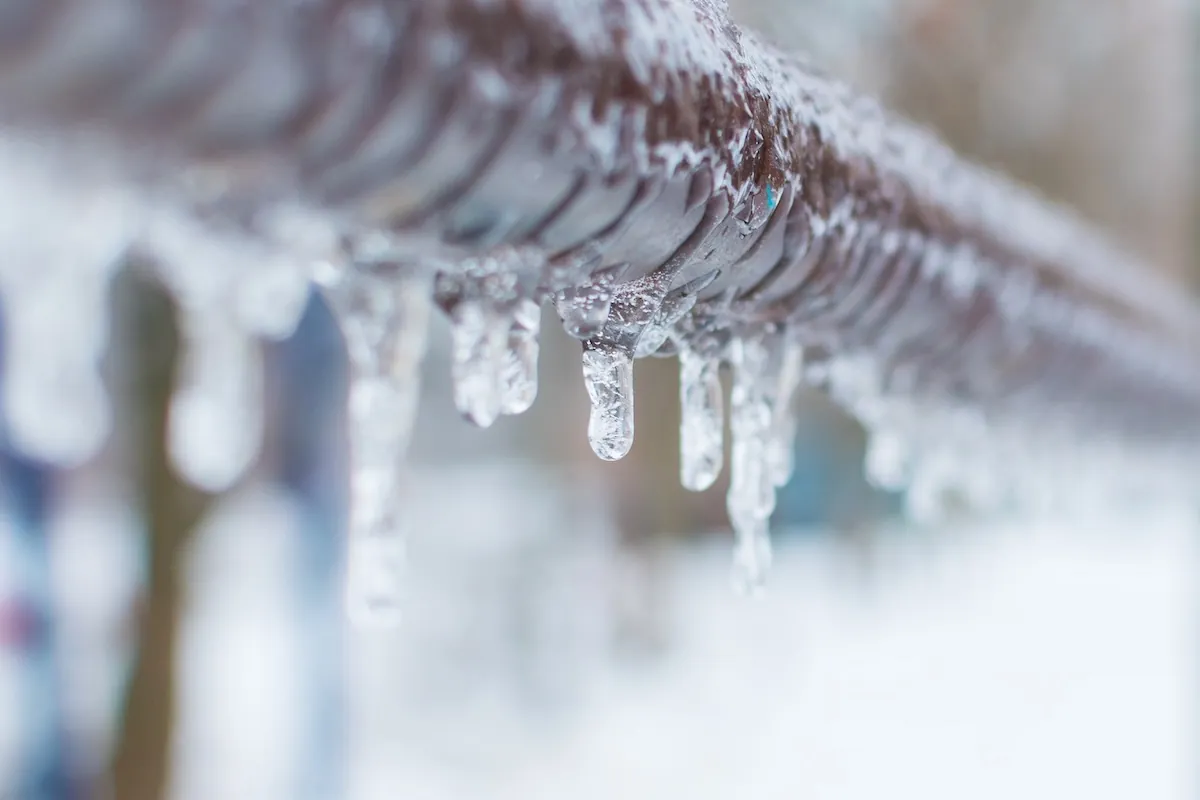
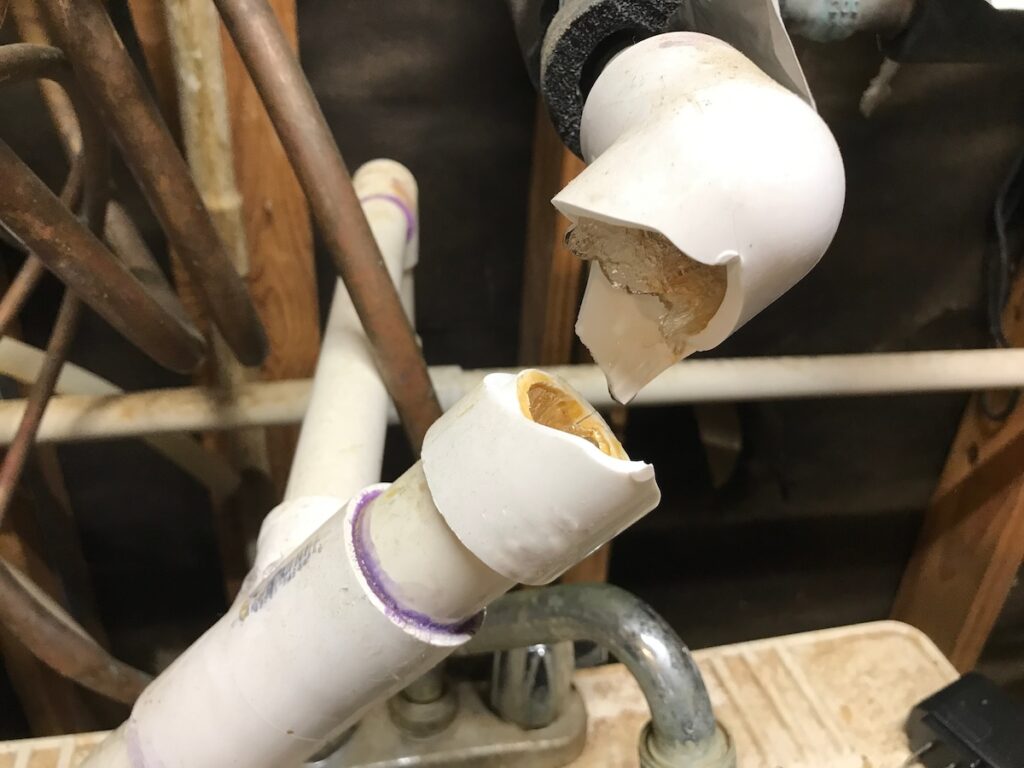
Pipes freeze when water inside them reaches 32°F or lower, expanding as it turns to ice. This buildup of ice creates extreme pressure inside the pipe walls, often resulting in cracks or bursts. Pipes located in unheated areas like basements, garages, attics, or exterior walls are most at risk.
Common causes of frozen pipes include poor insulation, long periods of subzero weather, and thermostats set too low when no one is home. Once temperatures rise again, melted ice can flood your home through any cracks caused by expansion.
Minnesota Winters and the Risk of Frozen Pipes
Minnesota’s long, harsh winters make frozen pipes a frequent issue for local homeowners. With temperatures in St. Louis Park and surrounding areas often dipping below zero, even well-insulated homes are at risk if precautions aren’t taken.
Wind chills and extended cold snaps can cool wall cavities and crawl spaces faster than expected. That means pipes close to exterior walls can freeze even if your thermostat is running normally. Older homes with drafty basements or minimal insulation face the highest risk.
Taking steps before and during extreme cold weather is the best defense. Knowing how to respond if your pipes do freeze is equally important to limit damage.
8 Steps To Fix and Prevent Frozen Pipes
When you discover a frozen pipe, quick action can make the difference between a small inconvenience and a major disaster. These eight steps will help you manage the situation safely and prevent future freezing.
1. Identify the Frozen Section
Before you can fix the issue, you need to locate which pipe is frozen.
- Check water flow: Turn on faucets throughout your home to find which ones are affected.
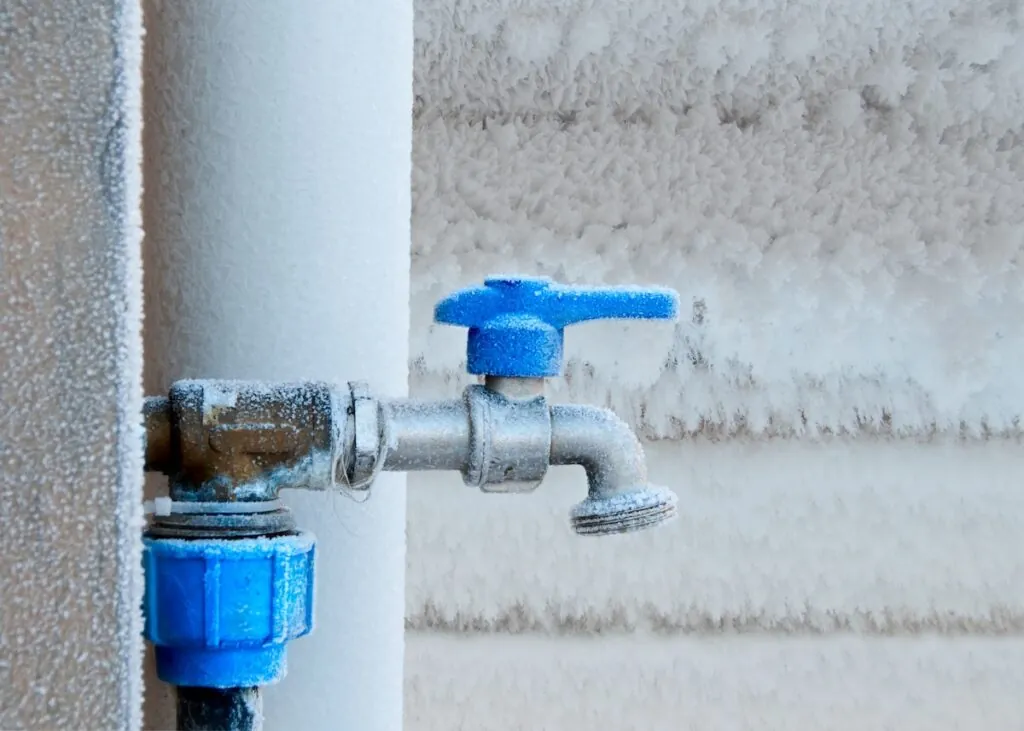
- Inspect exposed pipes: Look for frost, bulging, or an icy appearance.
- Focus on unheated areas: Start in basements, garages, crawl spaces, and near exterior walls.
Once located, take steps immediately to begin safely thawing the pipe.
2. Turn Off the Water Supply
Shutting off the main water valve prevents pressure buildup if the pipe bursts while thawing.
- Locate the main shut-off: Usually found near the water meter or where the main line enters your home.
- Turn clockwise to close: Fully shutting the valve stops water flow.
- Open faucets: Relieves residual pressure in the system.
This step helps minimize water damage if the pipe gives way.
3. Gently Warm the Frozen Pipe
Thawing the pipe too quickly can cause it to crack, so proceed carefully.
- Use a hair dryer or space heater: Apply heat evenly to the affected area.
- Start near the faucet: Gradually move toward the frozen section to allow melted water to escape.
- Avoid open flames: Never use a torch or lighter, as they can cause fires or pipe damage.
Take your time. Rushing can make the situation worse.
4. Inspect for Leaks After Thawing
Once water starts flowing again, inspect the pipe thoroughly for cracks or drips.
- Look for moisture: Run a dry towel along the pipe to detect small leaks.
- Turn water back on slowly: Gradual pressure helps identify any weak points.
- Check hidden areas: Leaks can form behind walls or under floors.
If you notice any leaks, shut off the water and call a professional plumber immediately.
5. Insulate Vulnerable Pipes
Proper insulation is the most effective way to prevent future freezes.
- Use foam pipe sleeves: Easy to install and inexpensive.
- Wrap with heat tape: Provides consistent warmth during extreme cold.
- Seal wall gaps: Use caulk or spray foam to block cold drafts near plumbing.
Focus on pipes in unheated or poorly insulated spaces first.
6. Keep Water Moving During Cold Weather
When temperatures plummet, running a small stream of water can prevent pipes from freezing.
- Drip faucets overnight: Especially those on exterior walls.
- Keep cabinet doors open: Allows warm air to circulate around pipes under sinks.
- Maintain consistent heating: Avoid turning down the thermostat too low when you’re away.
Moving water and stable indoor temperatures are your best defenses during Minnesota’s coldest days.
7. Add Supplemental Heat in Problem Areas
If you’ve had frozen pipes before, consider adding targeted heat sources in vulnerable zones.
- Portable space heaters: Ideal for basements, garages, or crawl spaces.
- Pipe heating cables: Wrap directly around pipes and plug into a GFCI outlet.
- Insulated wall panels: Help retain heat in cold utility rooms.
Be sure any added heat sources are safe, stable, and monitored to prevent fire hazards.
8. Schedule Professional Plumbing Inspection
If you’re unsure about your plumbing’s condition or have experienced repeated freeze issues, a professional inspection is the best next step.
- Early detection: Identifies weak spots and insulation gaps.
- Preventive upgrades: Professionals can reroute or insulate exposed pipes.
- Peace of mind: Ensures your system is ready before the next freeze.
A licensed plumber from Genz-Ryan can help you assess your risk and recommend long-term solutions to protect your home.
Long-Term Prevention Tips for Homeowners
Beyond immediate fixes, adopting long-term prevention strategies will protect your plumbing from future freezes.
- Add attic and basement insulation: Keeps overall home temperature more stable.
- Seal doors and windows: Reduces drafts that can chill walls and pipes.
- Disconnect outdoor hoses: Prevents ice from backing up into indoor plumbing.
- Install smart thermostats: Automatically adjust heat during extreme cold spells.
These steps are especially valuable for older homes in St. Louis Park and surrounding areas, where insulation may not meet current standards.
When To Call a Professional
Some frozen pipe situations can be managed with basic tools, but others require immediate professional attention.
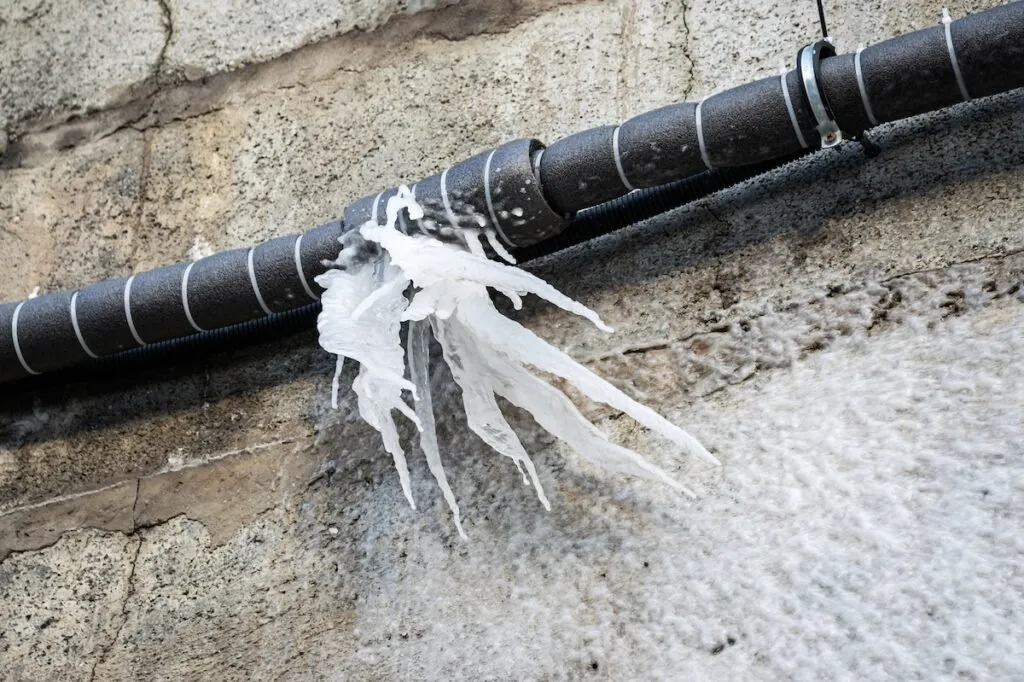
- If pipes are burst or leaking: Shut off water and call for emergency plumbing services.
- If pipes are behind walls: Professionals can use specialized equipment to thaw safely.
- If you can’t locate the freeze: Infrared cameras and moisture meters help pinpoint the issue.
A professional plumber ensures the problem is handled quickly and safely, minimizing damage to your home.
Trust Genz-Ryan for Frozen Pipe Repair and Prevention
Minnesota winters can be unpredictable, but your plumbing shouldn’t be. At Genz-Ryan, we specialize in diagnosing and repairing plumbing frozen pipes for homeowners in St. Louis Park and surrounding areas. Our licensed technicians use advanced tools to thaw, repair, and insulate your pipes so you can enjoy a worry-free winter.
Whether you’re facing a current freeze or preparing for the next cold snap, we’re here to help you protect your home from damage.
Stay warm, stay prepared, and keep your plumbing in peak condition—contact Genz-Ryan today to schedule your frozen pipe service or request a free quote.