

If you’ve ever wondered what’s happening behind your bathroom walls when you turn the handle, a shower plumbing diagram can help you visualize the pipes, valves, and connections that deliver water where it needs to go. Understanding how your shower system works is more than a matter of curiosity—it’s key to spotting potential issues early, maintaining steady water pressure, and ensuring long-term reliability. For homeowners in Burnsville and surrounding areas, a little plumbing knowledge goes a long way in preventing leaks, uneven temperature control, or costly repairs.
Before diving into the inner workings of your shower system, here’s why understanding it matters:
- Identify problems faster: You’ll know what’s normal and what’s not when troubleshooting issues.
- Save on repairs: Early detection helps you fix small problems before they escalate.
- Improve performance: Proper understanding helps you maintain consistent temperature and pressure.
Let’s break down what’s happening inside your walls and how all the parts of a shower system work together to create a comfortable experience.
Understanding the Shower Plumbing Layout
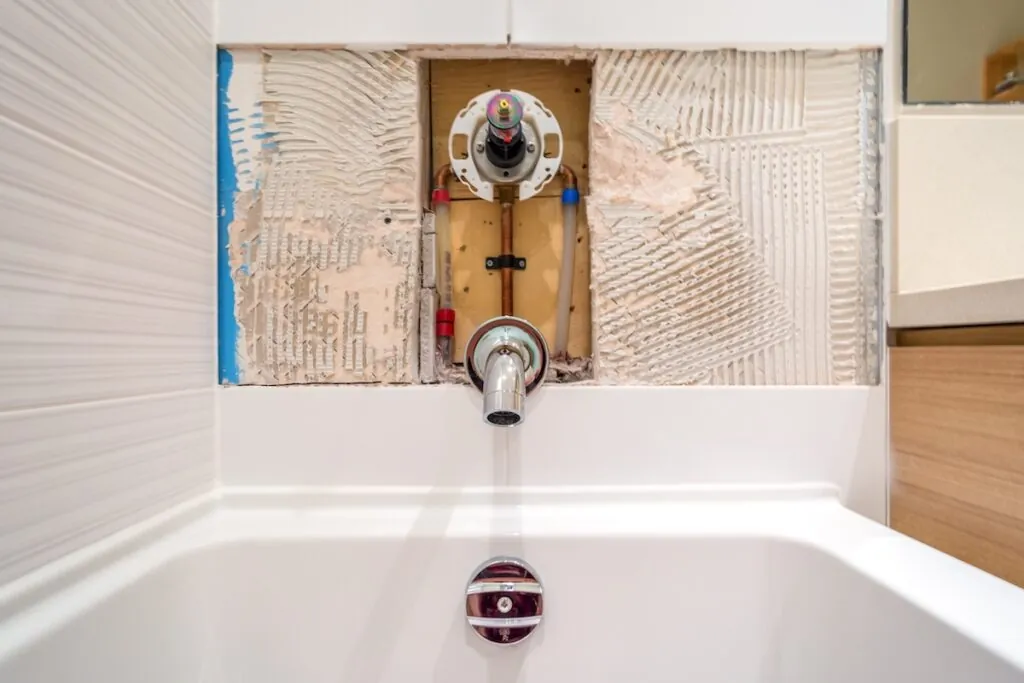
Every shower system relies on a network of pipes and valves that control water flow and temperature. When you turn the handle, a valve opens to mix hot and cold water from your home’s supply lines before sending it up through the shower arm and out the showerhead.
The shower plumbing diagram typically includes three key sections: the water supply system, the mixing valve, and the drainage line. Each of these plays a vital role in delivering clean water and removing wastewater efficiently. Knowing where each part is located can help you diagnose pressure loss, leaks, or temperature fluctuations more effectively.
6 Main Components of a Shower Plumbing System
A functional shower system depends on a handful of well-coordinated parts that move water safely and efficiently. Understanding these six components will help you maintain your shower and recognize when professional help is needed.
1. Water Supply Lines
Your shower’s water supply lines deliver hot and cold water from the main plumbing system to the shower valve.
- Material types: Most modern homes use copper, PEX, or CPVC pipes.
- Separate lines: Hot and cold water travel through different pipes before mixing.
- Common issue: Leaks or mineral buildup can reduce flow and pressure.
If you experience weak water flow, the problem may start right here with the supply lines.
2. Shower Mixing Valve
The mixing valve is the control center of your shower. It blends hot and cold water to reach your desired temperature.
- Single-handle vs. dual-handle: Single-handle valves mix water internally, while dual-handle setups control each temperature separately.
- Pressure balancing: Modern valves include anti-scald technology that maintains consistent temperature even when water pressure changes elsewhere in the home.
- Maintenance tip: Clean or replace cartridges periodically to avoid inconsistent temperature or leaks.
When a mixing valve starts to fail, you might notice sudden bursts of cold or hot water mid-shower.
3. Showerhead and Arm Assembly
Once the mixed water leaves the valve, it travels up through the riser pipe and out the shower arm into the showerhead.
- Showerhead types: Fixed, handheld, rain, or combination models.
- Aerators and nozzles: Control water flow and spray patterns for comfort and efficiency.
- Clog prevention: Clean showerheads regularly to remove mineral buildup and maintain pressure.
Upgrading your showerhead can instantly improve comfort and reduce water use.
4. Drain and P-Trap System
Every drop of water leaving your shower must exit through a properly designed drain system.
- Drain cover: Keeps hair and debris from entering the plumbing.
- P-trap: A curved section of pipe that traps a small amount of water to block sewer gases.
- Vent pipe connection: Ensures air flows through the plumbing, preventing gurgling or slow drainage.
If you notice a slow-draining shower, the problem may lie within the P-trap or vent system.
5. Venting System
The venting system plays a behind-the-scenes role in your shower’s performance. It maintains air pressure within the drainpipes so water can flow freely.
- Prevents vacuum lock: Allows wastewater to drain without suction buildup.
- Reduces odors: Prevents sewer gases from entering your bathroom.
- Common problem: Clogged vents can cause slow drainage and gurgling sounds.
Proper ventilation ensures your plumbing system works smoothly and odor-free.
6. Shut-Off Valves and Access Panel
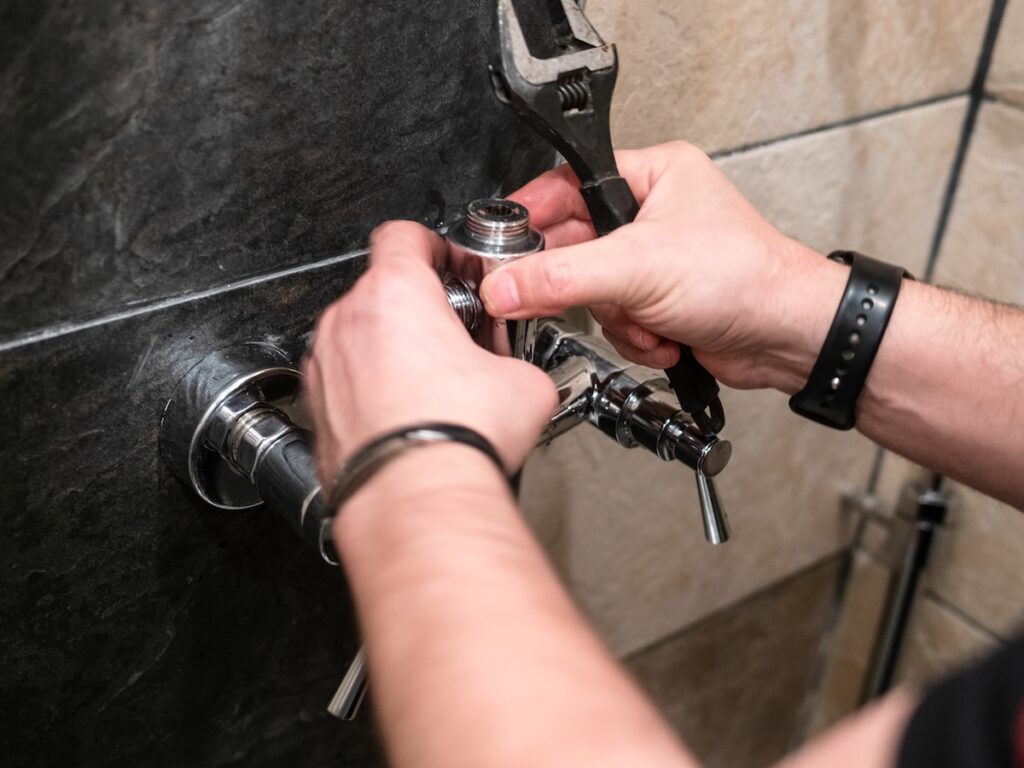
Hidden behind the wall or under the floor, shut-off valves allow you to isolate your shower’s water supply for maintenance or emergencies.
- Accessibility: Should be easy to reach through an access panel near the shower or tub.
- Leak prevention: Shut-off valves make it easier to perform repairs without turning off the home’s main water supply.
- Inspection tip: Test valves once a year to ensure they still turn smoothly and seal properly.
These valves provide a crucial layer of protection when performing maintenance or handling sudden leaks.
How Water Flow and Drainage Work Together
In every properly installed shower, the supply and drain systems operate in balance. Water pressure from your supply lines pushes water through the valve and out the showerhead, while gravity and venting ensure it drains efficiently. If either system is blocked or unbalanced, you’ll experience reduced pressure, pooling, or backflow.
- Balance of systems: Supply pressure and drainage rely on proper venting and pipe sizing.
- Potential imbalance: Too much pressure can cause leaks; too little leads to poor performance.
- Preventive tip: Regular inspection of valves, traps, and vents keeps both systems in harmony.
This relationship between water delivery and removal is what makes your shower experience smooth and reliable.
Common Shower Plumbing Problems
Even the best-designed systems can encounter issues over time. Identifying them early helps prevent costly repairs or water damage.
- Low water pressure: Often caused by mineral buildup or partially closed shut-off valves.
- Inconsistent temperature: Usually points to a faulty mixing valve cartridge.
- Leaking showerhead: Typically a worn-out washer or loose connection.
- Slow drain: Hair, soap scum, or debris can block the P-trap or drainpipe.
- Dripping handle: Indicates a worn valve seal that needs replacement.
If you notice any of these problems in your Burnsville home, scheduling a professional inspection can prevent future headaches.
How To Maintain a Healthy Shower System
Like any other part of your home, your shower system benefits from regular maintenance.
- Clean fixtures monthly: Remove mineral buildup from showerheads and handles.
- Check for leaks: Inspect around the base, joints, and walls for dampness.
- Test water pressure: Consistent flow indicates healthy supply lines.
- Flush drains: Use natural cleaners like vinegar and baking soda to prevent clogs.
- Inspect caulking and grout: Prevents moisture from seeping behind tiles.
Routine care extends the life of your shower system and maintains water efficiency.
When To Call a Professional Plumber
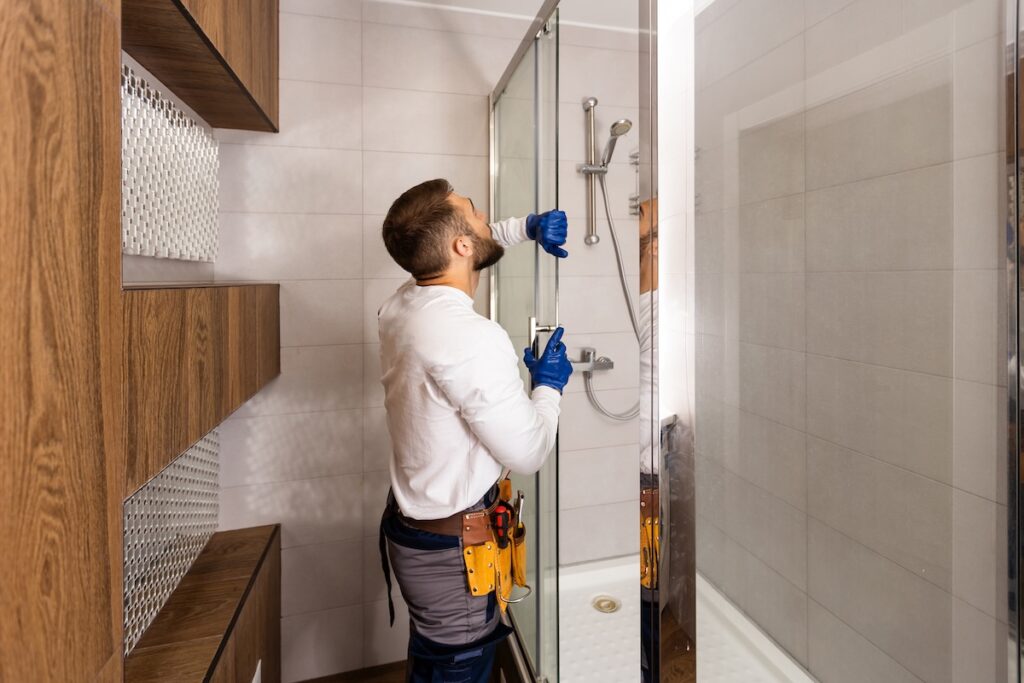
While simple maintenance can be handled at home, plumbing repairs behind walls should always be done by licensed professionals.
- Hidden leaks: Even small drips can lead to major water damage.
- Pressure or temperature fluctuations: Could signal deeper valve or supply issues.
- Persistent drain problems: May indicate a venting or main line blockage.
Professional plumbers have the tools and training to identify problems that aren’t visible to homeowners—and fix them safely.
Trust Genz-Ryan for Expert Shower Plumbing Service
Your shower is more than just a daily necessity… it’s part of what makes your home comfortable. At Genz-Ryan, our licensed technicians understand every part of the shower plumbing diagram and can repair, install, or upgrade your system with precision and care.
Serving homeowners in Burnsville and surrounding areas, we’re committed to providing fast, transparent, and dependable service for all your plumbing needs, from leak detection to full bathroom remodels.
Stay confident that your shower will perform perfectly every time, contact Genz-Ryan today to schedule your shower plumbing service or request a free quote.