

If you’ve ever wondered what’s really happening behind the scenes when you flush, understanding toilet plumbing can give you a better appreciation for one of your home’s most essential fixtures. Toilets are designed with precise engineering to move waste efficiently while conserving water—a balance that keeps your bathroom sanitary and your utility bills manageable. For homeowners in Richfield and surrounding areas, knowing how your toilet system works can also help you recognize issues early and prevent costly repairs down the road.
Before diving into the parts and processes that make it all work, here’s why this knowledge matters:
- Prevent problems early: Recognizing warning signs helps avoid major leaks or overflows.
- Save water and money: Understanding how toilets function can lead to smarter water use.
- Handle simple repairs: A little know-how can solve many small issues without calling a plumber.
Let’s explore how your toilet system operates from top to bottom—and what to do when something goes wrong.
The Basics of Toilet Plumbing
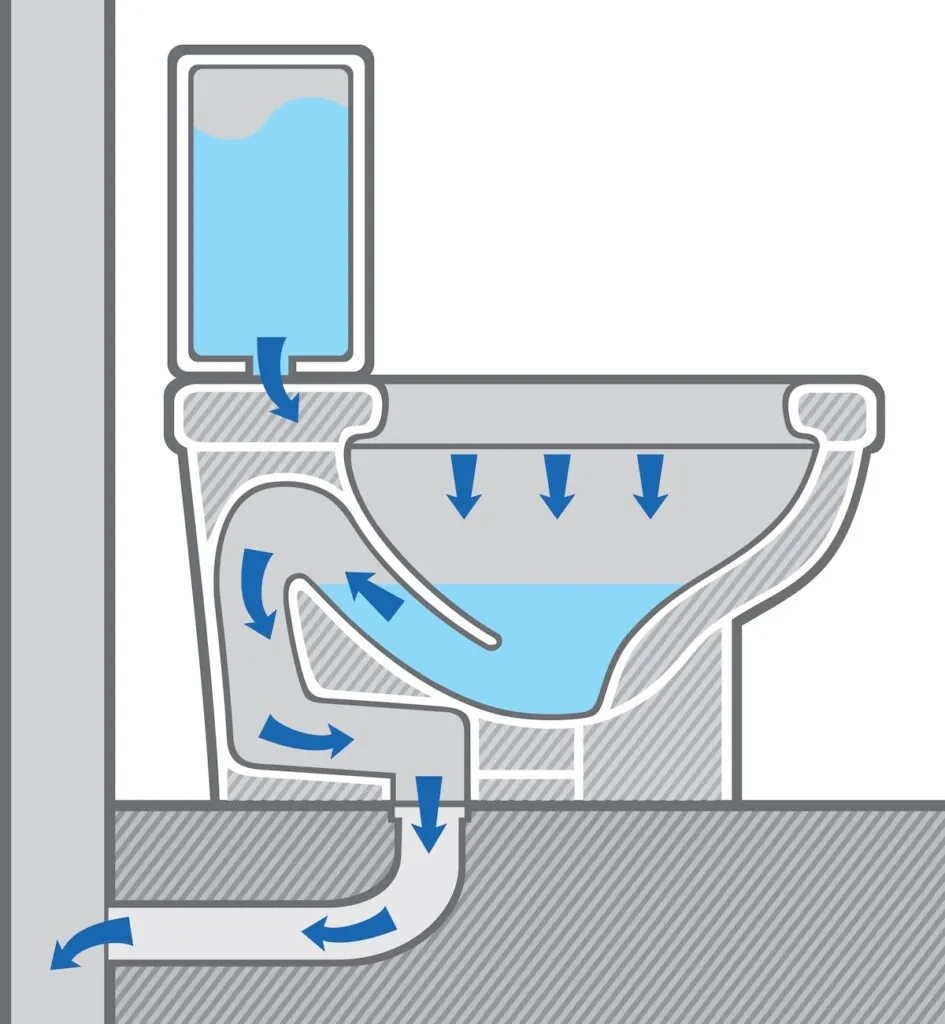
Toilet plumbing involves two key functions: delivering clean water to the tank and removing waste from the bowl through the drain line. When you flush, gravity and water pressure combine to push waste down through a specially designed siphon system that prevents odors and blockages.
A properly working toilet depends on a balance of water flow, air pressure, and sealed connections. Any disruption—whether from a clog, worn seal, or faulty valve—can impact performance and lead to leaks or inefficient flushing.
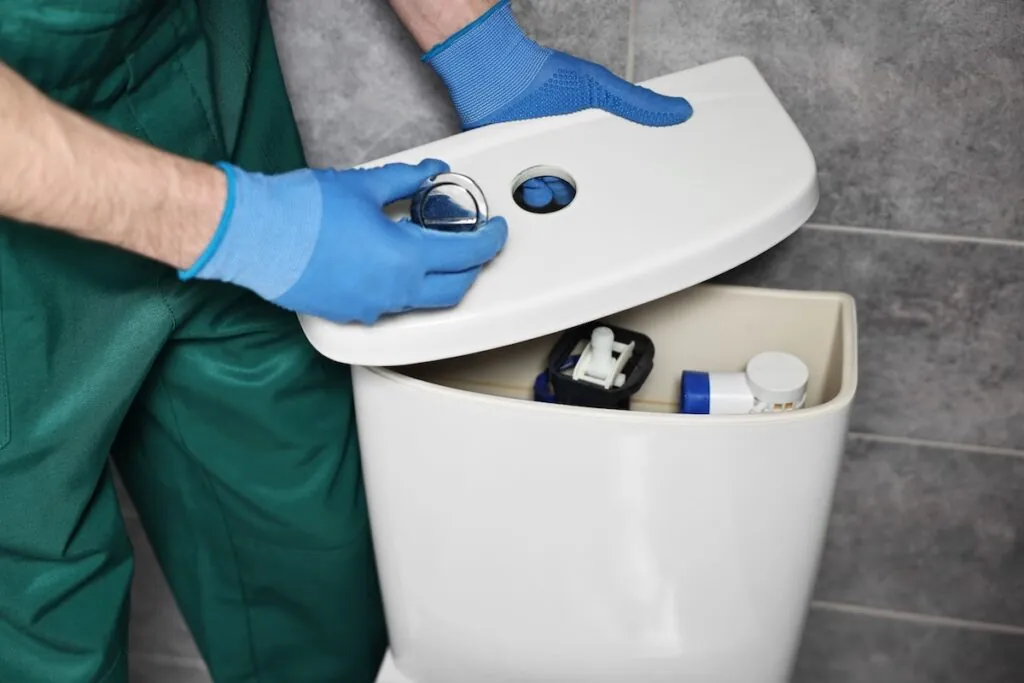
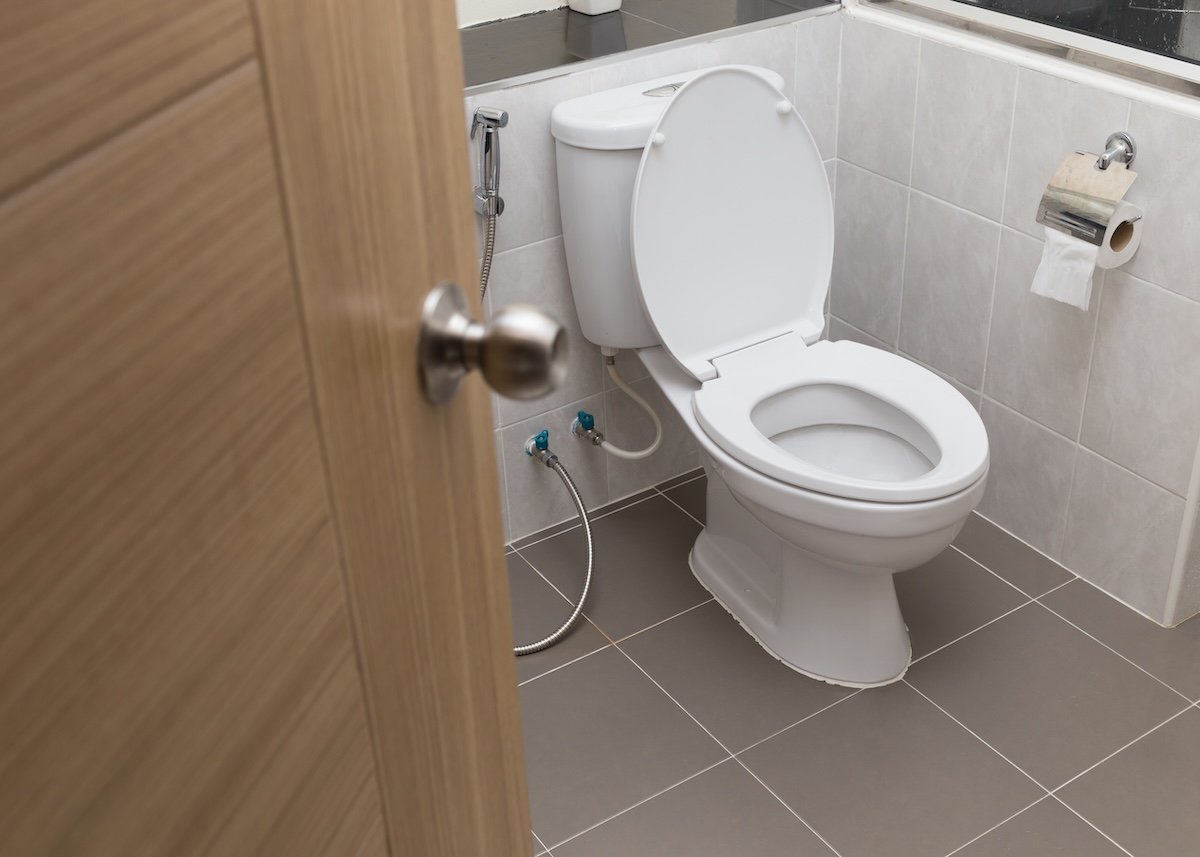
Main Components of a Toilet System
Every toilet includes a few essential parts that work together seamlessly.
- Tank: Holds clean water for flushing and refilling the bowl.
- Bowl: Designed to contain and direct waste into the drain.
- Flush handle and lever: Trigger the release of water from the tank.
- Flapper valve: Controls when water leaves the tank during a flush.
- Fill valve: Refills the tank and maintains proper water level.
- Wax ring and flange: Create a tight seal between the toilet and the drainpipe.
Together, these components form the foundation of your home’s toilet plumbing system.
How the Flushing Process Works
When you press the handle, several things happen almost simultaneously. First, the lift arm raises the flapper valve, allowing stored water in the tank to rush into the bowl. The sudden surge creates suction in the trapway—a curved path that directs waste into the drain line.
Once the tank empties, the flapper closes and the fill valve refills the tank with fresh water. At the same time, a smaller stream of water flows into the bowl to restore the standing water level that blocks sewer gases from escaping. This simple but effective system is why gravity-fed toilets remain the most common design in modern homes.
8 Common Toilet Plumbing Issues and Fixes
Even a well-installed toilet can develop problems over time. Understanding the most common issues can help you respond quickly before they lead to bigger plumbing concerns.
1. Running Toilet
A toilet that runs continuously wastes water and increases utility costs. The usual cause is a worn-out flapper or a faulty fill valve.
- Check the flapper: If it’s cracked or doesn’t seal properly, replace it.
- Inspect the fill valve: Adjust or replace it if water continues to flow after the tank fills.
Running toilets can waste thousands of gallons per month, so early attention is key.
2. Weak or Incomplete Flush
If your toilet isn’t flushing fully, low water level or mineral buildup may be to blame.
- Check the tank: Ensure the water reaches the manufacturer’s fill line.
- Clean the rim holes: Mineral deposits can block the jets that assist flushing power.
- Inspect the flapper: It should lift fully during each flush.
Sometimes, a simple adjustment can restore full flushing performance.
3. Toilet Leaking at the Base
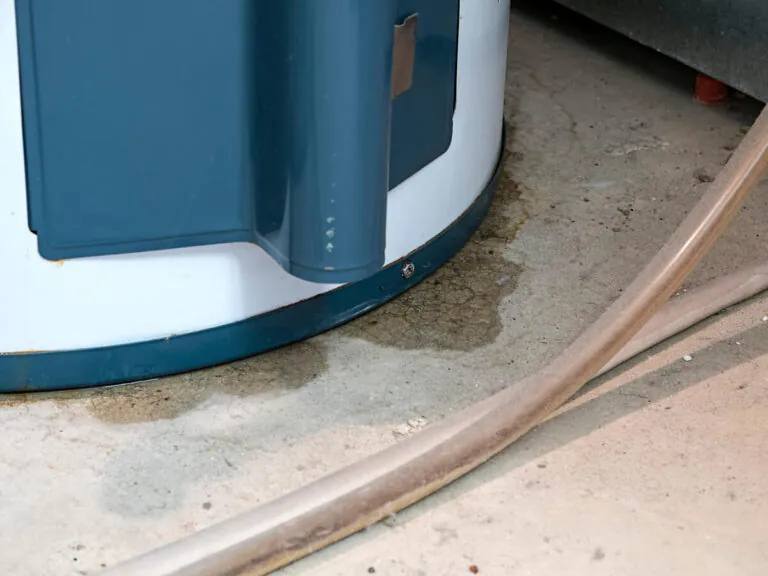
Water pooling around the base of your toilet usually indicates a worn wax ring or loose bolts.
- Tighten bolts gently: Over-tightening can crack the porcelain base.
- Replace the wax ring: Creates a watertight seal between the toilet and the drain flange.
- Dry the area: Ensure no water damage spreads to flooring or subflooring.
Leaks near the floor should be repaired immediately to prevent hidden moisture damage.
4. Constantly Refilling Tank
If your toilet tank fills repeatedly without flushing, the issue is often with the fill valve or flapper seal.
- Inspect the overflow tube: Water should stay below the top of this tube.
- Adjust the float arm: Keeps water level consistent after each flush.
- Replace faulty parts: Inexpensive kits can restore proper operation quickly.
This issue is common in older toilets but easy to correct with basic parts.
5. Clogged Toilet
Toilet clogs happen when too much waste or non-flushable items block the trapway or drain line.
- Use a plunger: Create a tight seal and use firm plunges to dislodge the clog.
- Try an auger: A toilet snake can reach deeper blockages that a plunger can’t.
- Avoid chemicals: Harsh drain cleaners can damage seals and porcelain.
If repeated clogs occur, you may have a partial blockage in your main drain that requires professional cleaning.
6. Toilet Tank Not Filling
If your tank doesn’t refill after flushing, water supply or valve issues are often responsible.
- Check the shut-off valve: Make sure it’s fully open.
- Inspect the fill valve: Replace if it’s blocked or malfunctioning.
- Clean the supply line filter: Sediment buildup can restrict flow.
A tank that won’t fill makes the toilet unusable, so this issue should be addressed promptly.
7. Phantom Flushing
Does your toilet seem to flush on its own occasionally? That’s often due to a slow leak from the tank to the bowl.
- Perform a dye test: Add food coloring to the tank—if color appears in the bowl, replace the flapper.
- Tighten chain length: Ensure the flapper seals completely after flushing.
This “ghost flushing” wastes water and indicates worn internal parts.
8. Sweating or Condensation on the Tank
Condensation occurs when warm, humid air meets the cool surface of the toilet tank.
- Use a tank liner kit: Reduces temperature difference inside the tank.
- Install an anti-sweat valve: Mixes warm and cold water to reduce condensation.
- Improve ventilation: Run bathroom fans to control humidity.
While harmless at first, ongoing condensation can cause mold or water damage around the toilet base.

How To Maintain Your Toilet Plumbing
Simple routine maintenance can extend your toilet’s lifespan and prevent major repairs.
- Clean regularly: Avoid harsh chemicals that damage internal components.
- Inspect annually: Check bolts, seals, and hoses for leaks or wear.
- Upgrade components: Modern fill valves and flappers improve efficiency.
- Flush correctly: Don’t overload the bowl with paper or non-flushables.
Preventive care helps your toilet system run smoothly year after year.
When To Call a Professional Plumber
Some toilet problems are quick DIY fixes, but others need expert attention—especially if leaks or water damage are involved.
- Persistent leaks: May indicate hidden seal or drain damage.
- Weak flushes: Could signal a blocked vent pipe or low water pressure.
- Frequent clogs: Suggest issues deeper in your plumbing system.
If you’re unsure, calling a professional plumber ensures a safe, lasting repair and peace of mind.
Trust Genz-Ryan for Expert Toilet Plumbing Service
Your toilet is one of the hardest-working fixtures in your home—and when something goes wrong, you need fast, dependable service. At Genz-Ryan, our licensed plumbers specialize in toilet plumbing, repair, and replacement for homeowners in Richfield and surrounding areas.
From leak repairs to full toilet installations, our team provides transparent pricing, friendly service, and expert workmanship.
Keep your bathroom efficient and worry-free—contact Genz-Ryan today to schedule your toilet plumbing service or request a free quote.