

If you have ever wondered “what is a float switch” and why it shows up in so many home comfort systems, you are not alone. This small, inexpensive device plays an outsized role in protecting your home from water damage, motor burnout, and the expensive repairs that follow a flooded basement or soaked ceiling. From central air conditioners in Minneapolis attics to sump pumps in St. Paul basements, float switches quietly monitor water levels around the clock and shut equipment down the moment something goes wrong.
- What you will learn: A clear definition of float switches and how they interact with HVAC condensate lines, sump pumps, and water heaters.
- Where they are used: The six most common placements for float switches in residential heating, cooling, and plumbing systems.
- Why they matter: The code requirements, cost ranges, and maintenance habits that keep your home protected year after year.
How A Float Switch Works In Your Home
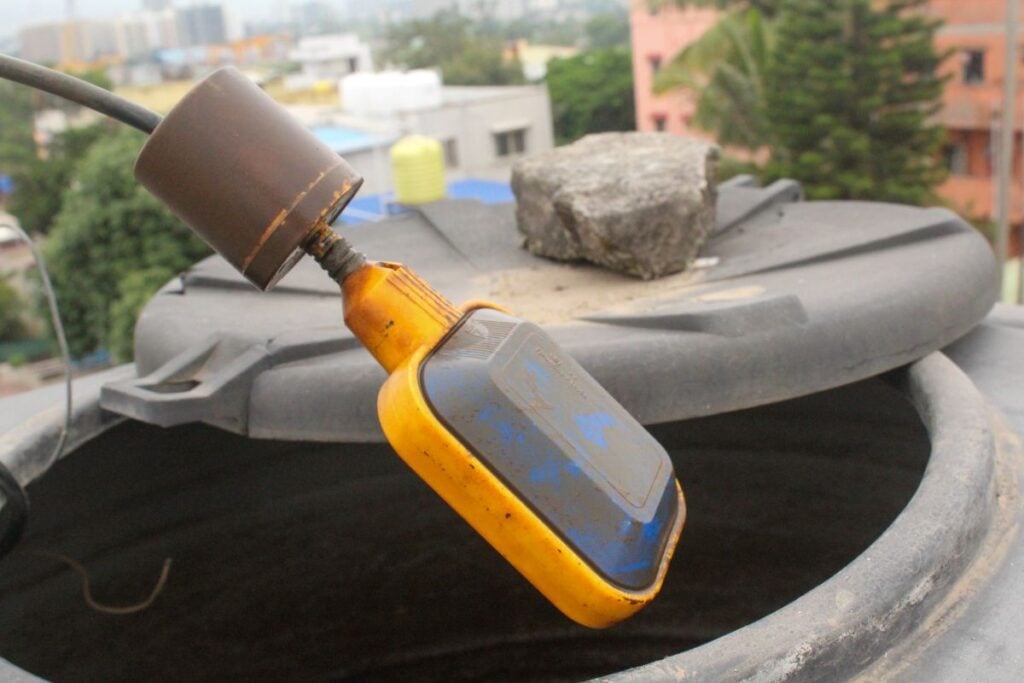
A float switch is a level-sensing device that opens or closes an electrical circuit when water reaches a preset height. The mechanism is simple, which is exactly why it has remained the industry standard for decades in both HVAC and plumbing applications.
What Is The Core Function Of A Float Switch?
A float switch converts the physical movement of rising water into an electrical signal that either starts a pump or shuts down a system. Inside the sealed, buoyant housing, a small steel ball or magnetic element shifts position as the float tilts or lifts with the water. Once the float reaches its trigger angle, the internal contacts close (or open, depending on the design), and the circuit completes its command. Residential float switches typically operate on low-voltage 24V control circuits for HVAC use and 120V line voltage for sump pump and condensate pump applications, and most are rated to UL 508 safety standards.
- Sensing element: A hollow, sealed float that rises and falls with the surrounding water level.
- Internal switch: A tilt-activated or reed-type contact that closes or opens the circuit at a set angle.
- Electrical output: A signal that either powers a pump on, shuts a system off, or triggers an alarm.
- Voltage ratings: Common residential models handle 24V low voltage for HVAC shutoffs and up to 250V for sump pump control.
Why Is This Simple Device So Important?
The float switch is the last line of defense between normal operation and a catastrophic water event inside your home. HVAC systems generate condensate every minute the air conditioner or high-efficiency furnace runs, and a single clogged drain line can send gallons of water into drywall, insulation, and finished flooring before anyone notices. On the plumbing side, a failed sump pump during a spring thaw can flood a Minnesota basement in hours. The float switch monitors these risks continuously, with no user input required, and typically costs less than a single service call to repair water damage.
- Damage prevention: Stops water overflow before it reaches ceilings, floors, and finished spaces.
- Equipment protection: Prevents pumps from running dry and burning out the motor.
- Code compliance: Required by the International Mechanical Code in many residential cooling applications.
- Low cost insurance: Typical parts run $15 to $60, while installed labor ranges from $150 to $300.
6 Common Uses For A Float Switch In Residential Systems
Float switches show up in more places around the average Minnesota home than most homeowners realize. Below are the six most common placements, each with its own purpose and installation considerations.
1. HVAC Condensate Drain Pan Safety Shutoff
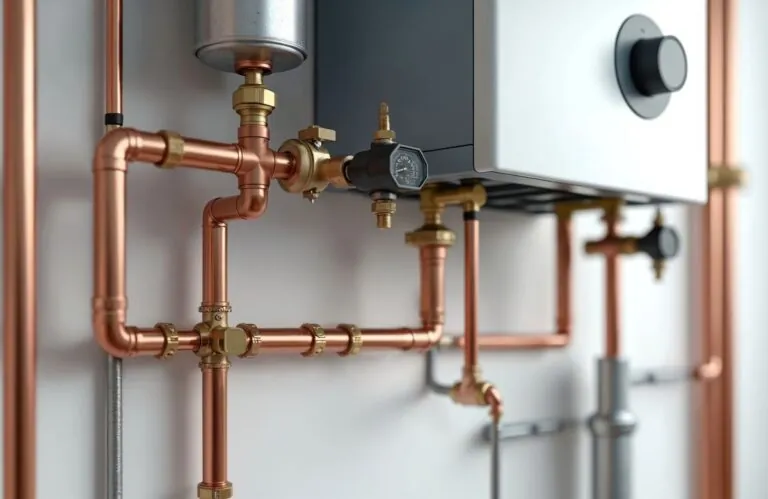
The most widespread residential use of a float switch is inside the secondary drain pan beneath an air conditioner or evaporator coil. When the primary condensate drain line clogs with algae, dust, or biofilm, water backs up and begins filling the auxiliary pan. The float rises with the water, trips the switch, and cuts power to the cooling system before a single drop reaches the ceiling below. This makes the condensate safety float one of the few switches with an actual code mandate behind it.
- Typical location: Clipped to the edge of the secondary drain pan under an attic or closet air handler.
- Common brands: RectorSeal Safe-T-Switch SS1, SS2, and SS3 models are widely installed across the Twin Cities.
- Trigger action: Opens the 24V thermostat circuit, shutting down the compressor or full system.
- Code basis: International Mechanical Code Section 307.2.3 covers auxiliary and secondary drain requirements.
2. Primary Condensate Line Overflow Protection
A second float switch is often installed directly in the primary drain line of the evaporator coil, giving the system redundant protection. Because the primary drain handles every drop of condensate the coil produces, catching a blockage here stops the problem earlier than waiting for water to reach the secondary pan. This second layer is especially valuable in Minnesota homes with air handlers mounted above finished living space, where even a small leak can lead to thousands of dollars in ceiling and drywall repair.
- Installation point: Threaded into the auxiliary drain port on the evaporator coil housing.
- Redundancy benefit: Works alongside the secondary pan switch for two-stage overflow protection.
- Early detection: Trips before water reaches the auxiliary pan, minimizing system runtime with a blocked drain.
- Maintenance note: Should be inspected annually because biofilm can coat the float and cause false readings.
3. Condensate Pump Reservoir Control
High-efficiency furnaces, basement-installed air conditioners, and mini-split systems often use a small condensate pump to lift water up to a floor drain or utility sink. Inside that pump sits a float switch that does two jobs at once: it turns the pump on when the reservoir fills and shuts it off when the water is evacuated. A second, higher float in the same reservoir serves as the safety shutoff, killing the HVAC system if the pump fails or the discharge line clogs. A typical 100,000 BTU condensing furnace produces roughly 0.8 gallons of condensate per hour during operation, so a working pump float is essential during Minnesota’s long heating season.
- Primary float function: Activates the pump motor when water reaches the on-level in the reservoir.
- Safety float function: Shuts down the furnace or air conditioner if water rises above the pump-out level.
- Common installations: High-efficiency gas furnaces, basement heat pumps, and ductless mini-split indoor units.
- Service life: Most condensate pump floats last 5 to 10 years with regular cleaning.
4. Sump Pump Activation And Control
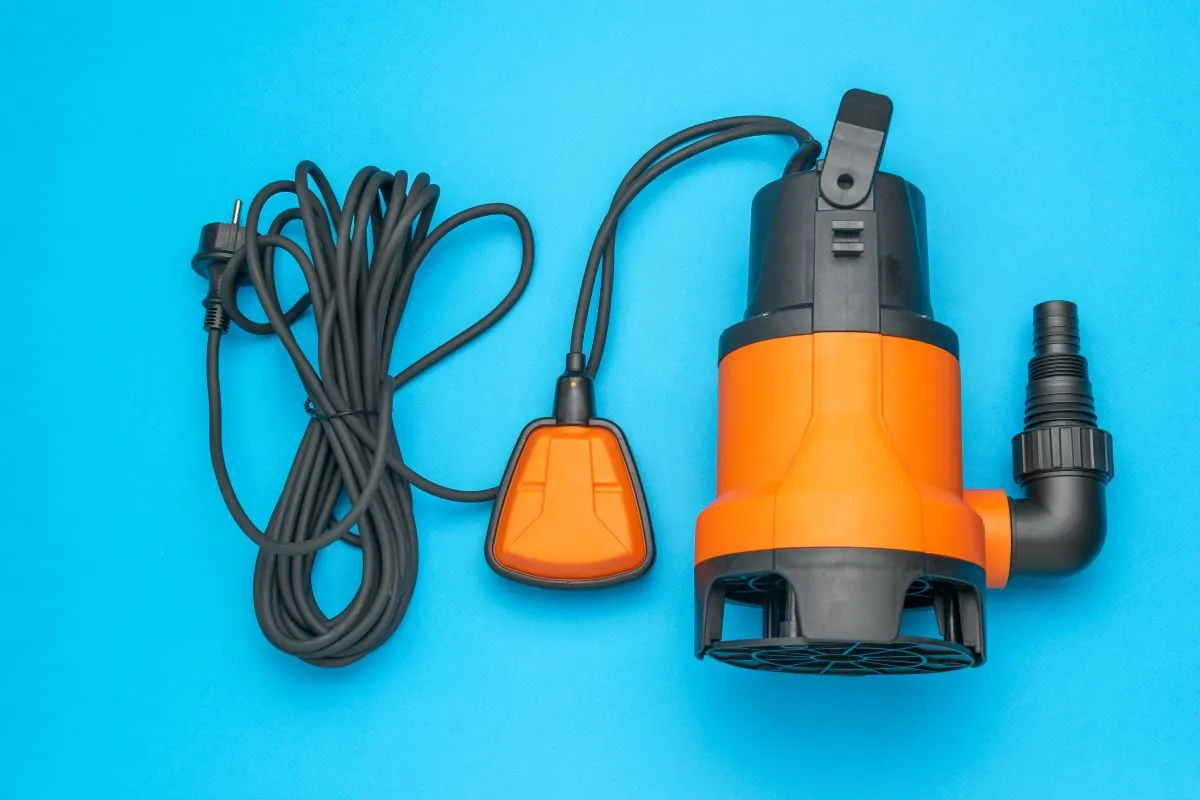
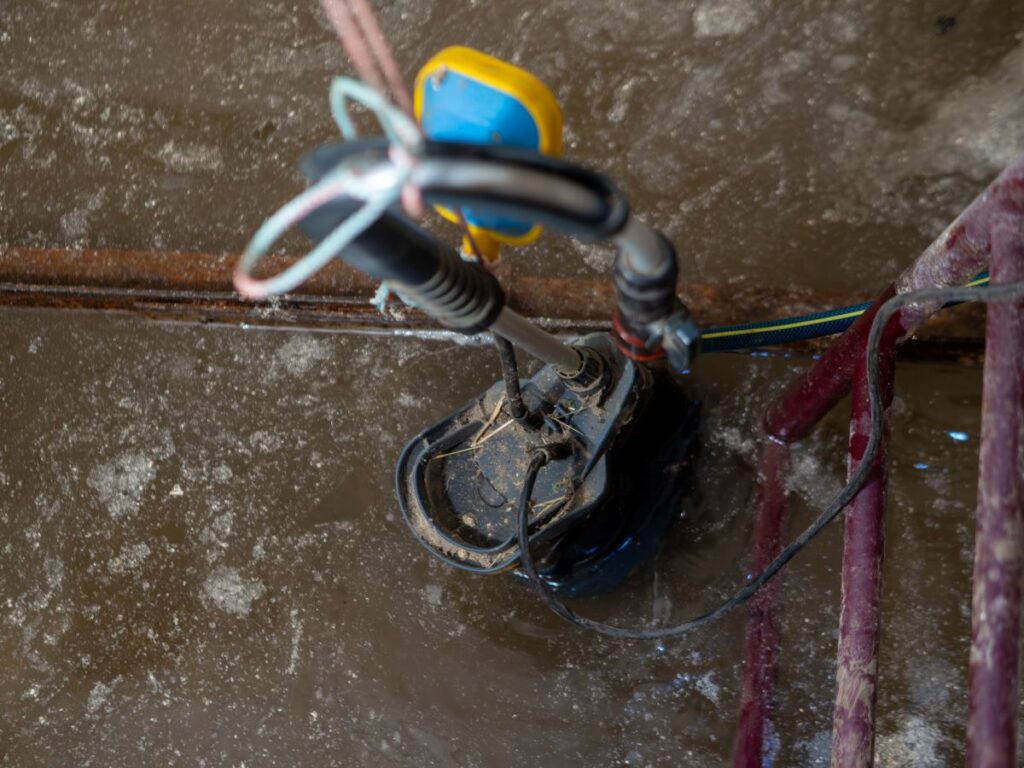
Sump pumps are the single most important flood protection device in a Minnesota basement, and the float switch is what makes them automatic. As groundwater enters the sump basin during heavy rain or spring snowmelt, the float rises with the water and signals the pump to start. Once the basin empties, the float drops and the pump shuts off, keeping the motor from running dry and burning out. Technicians generally recommend setting the pump-on level at least 6 inches below the basement floor surface to provide a margin of safety before water can reach the slab.
- Tethered float: A floating ball on a cord, best suited to sump basins wider than 14 inches.
- Vertical float: Slides up and down on a rod, ideal for narrow or crowded sump pits.
- Diaphragm switch: Uses water pressure against a sealed sensor, useful in very shallow basins.
- Electronic float: Solid-state sensor with no moving parts, offering the longest service life.
5. Backup Sump Pump And High-Water Alarm
A primary sump pump alone is not enough protection for many homes. Backup battery or water-powered sump pumps use their own float switch set slightly higher than the primary pump’s trigger level, so they only activate when the primary unit fails or cannot keep up with incoming water. Many systems also include a dedicated high-water alarm float that sits even higher in the basin and sounds an audible warning or sends a smart-home notification when water reaches a dangerous level. For homeowners who travel or have finished basements, this layered setup is well worth the added investment.
- Backup pump float: Activates the secondary pump when water rises above the primary pump’s shutoff point.
- High-water alarm float: Triggers a 95 dB alarm or smartphone alert at an elevated basin level.
- Power source: Battery backup systems use deep-cycle batteries that last 2 to 3 years on average.
- Smart integration: Newer units tie into Wi-Fi hubs for real-time flood notifications.
6. Water Heater Drain Pan Leak Detection
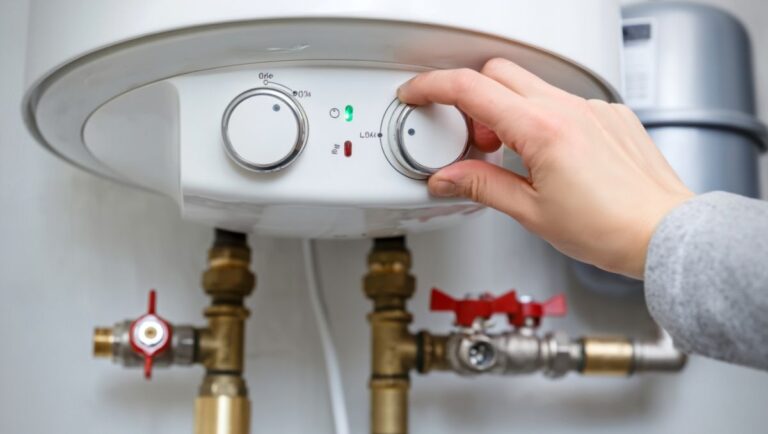
A lesser-known but increasingly popular use is installing a float switch inside the drain pan beneath a tank-style water heater. When a tank begins to leak, even slowly, water collects in the catch pan and the float switch triggers a shutoff valve on the cold water supply, an audible alarm, or a smart-home notification. Considering that a failed water heater can release 40 to 80 gallons into a basement or utility closet, this inexpensive upgrade is one of the highest-value preventive measures a homeowner can add.
- Leak shutoff valves: Integrated systems close the cold-water supply within seconds of float activation.
- Smart notifications: Wi-Fi models text the homeowner when water is detected in the pan.
- Installation cost: Basic detection kits run $40 to $150, with professional installation adding $150 to $250.
- Best locations: Utility closets above finished living space, attic-mounted tanks, and garage installations.
Signs Your Float Switch Needs Attention
Float switches work silently for years, so homeowners rarely notice them until something goes wrong. Catching the warning signs early prevents the exact water damage these devices are designed to stop.
What Happens When A Float Switch Fails?
A failed float switch typically shows up in one of two ways: the system will not run at all, or the system runs when it should not. On the HVAC side, a stuck condensate float can trip the safety circuit and shut down cooling even when the drain is clear, leaving the house warm on a summer afternoon. On the plumbing side, a sump pump float that sticks in the “off” position can sit silently while groundwater fills the basin and spills onto the basement floor. Either failure mode is a clear signal to have the switch inspected by a licensed technician.
- Cooling system will not start: Often caused by a stuck or debris-coated condensate float.
- Sump pump runs constantly: Indicates a float stuck in the “on” position, risking motor burnout.
- Sump pump never activates: A float jammed against the pit wall or discharge pipe.
- Short cycling: Rapid on-off cycling from improper float adjustment or a narrow switch range.
How Often Should Float Switches Be Inspected?
Annual inspection is the minimum recommended frequency for float switches in both HVAC and plumbing systems, and semi-annual checks are ideal for homes with attic-mounted air handlers or finished basements. A qualified technician will verify the float moves freely, test the electrical continuity, clean any biofilm or sediment buildup, and confirm the switch trips at the correct water level. Homeowners can supplement professional service by pouring a bucket of water into the sump basin every few months to confirm the pump activates and shuts off normally.
- Annual professional service: Included in most HVAC tune-up and plumbing maintenance plans.
- Seasonal DIY testing: Pour water into the sump pit each spring and fall to confirm pump activation.
- Visual inspection: Look for cracks, corrosion, or debris buildup on the float housing.
- Replacement timing: Most switches last 5 to 10 years, with sump pump floats often needing replacement sooner.
Frequently Asked Questions
How Much Does A Float Switch Cost To Install?
A basic condensate float switch costs $15 to $40 for the part, with professional installation running $150 to $300 depending on accessibility. Sump pump float replacements typically range from $150 to $400 installed, while whole-system water leak detection kits can run $250 to $800. Costs vary based on the type of switch, the equipment it protects, and the complexity of the wiring.
Is A Float Switch Required By Code?
Yes, the International Mechanical Code requires water-level detection devices on auxiliary drain pans and on coils that lack a secondary drain pan. Minnesota adopts these requirements through the state mechanical code, and local inspectors in the Twin Cities metro routinely enforce them on new installations and major replacements. Sump pump float switches are not code-mandated but are standard equipment on every residential sump system.
Can I Replace A Float Switch Myself?
Simple condensate and sump pump float switches can be replaced by a handy homeowner, but the work involves low-voltage wiring, proper positioning, and testing that often justify a professional service call. Improper installation is one of the most common causes of early float switch failure. A licensed technician ensures the switch is level, wired to the correct circuit, and tested under real operating conditions.
How Long Do Float Switches Last?
Most residential float switches last 5 to 10 years, though condensate pump floats and sump pump floats in heavily used systems may need replacement sooner. Factors that shorten lifespan include hard water deposits, biofilm buildup, debris in sump basins, and repeated cycling. Annual inspection and cleaning extend service life significantly.
What Triggers A Float Switch To Shut Down My AC?
A condensate float switch trips when water in the drain pan or auxiliary pan rises above its set point, almost always because the primary drain line is clogged. Algae, dust, and biofilm are the most common culprits in Minnesota homes, especially after a humid summer. Clearing the drain line with a wet/dry vacuum or professional flushing usually restores normal operation.
Do I Need A Float Switch On My Water Heater?
A float switch with automatic shutoff is strongly recommended for any water heater installed above finished living space, inside a utility closet, or in an attic. Even for basement installations, the cost of a detection kit is minimal compared to the damage from a ruptured tank. Insurance providers increasingly offer discounts for homes equipped with water leak detection.
Protect Your Home With Genz-Ryan’s Trusted Minnesota Expertise
At Genz-Ryan, we have helped Minnesota homeowners stay dry, comfortable, and protected since 1950, and float switches are a small but critical part of every HVAC and plumbing system we install or service. Whether you need a new condensate safety switch on your air conditioner, a replacement sump pump float before spring thaw, or a whole-home water leak detection system installed around your water heater, our licensed technicians deliver the quality workmanship and honest pricing our neighbors across the Twin Cities have trusted for generations. Reach out today for a free quote or to schedule a professional float switch inspection, and let our team make sure every drop of water in your home ends up exactly where it belongs.