We are Open 24/7!




4.7
Google Rating
How to Increase Water Pressure in Your House (Easy Fixes)



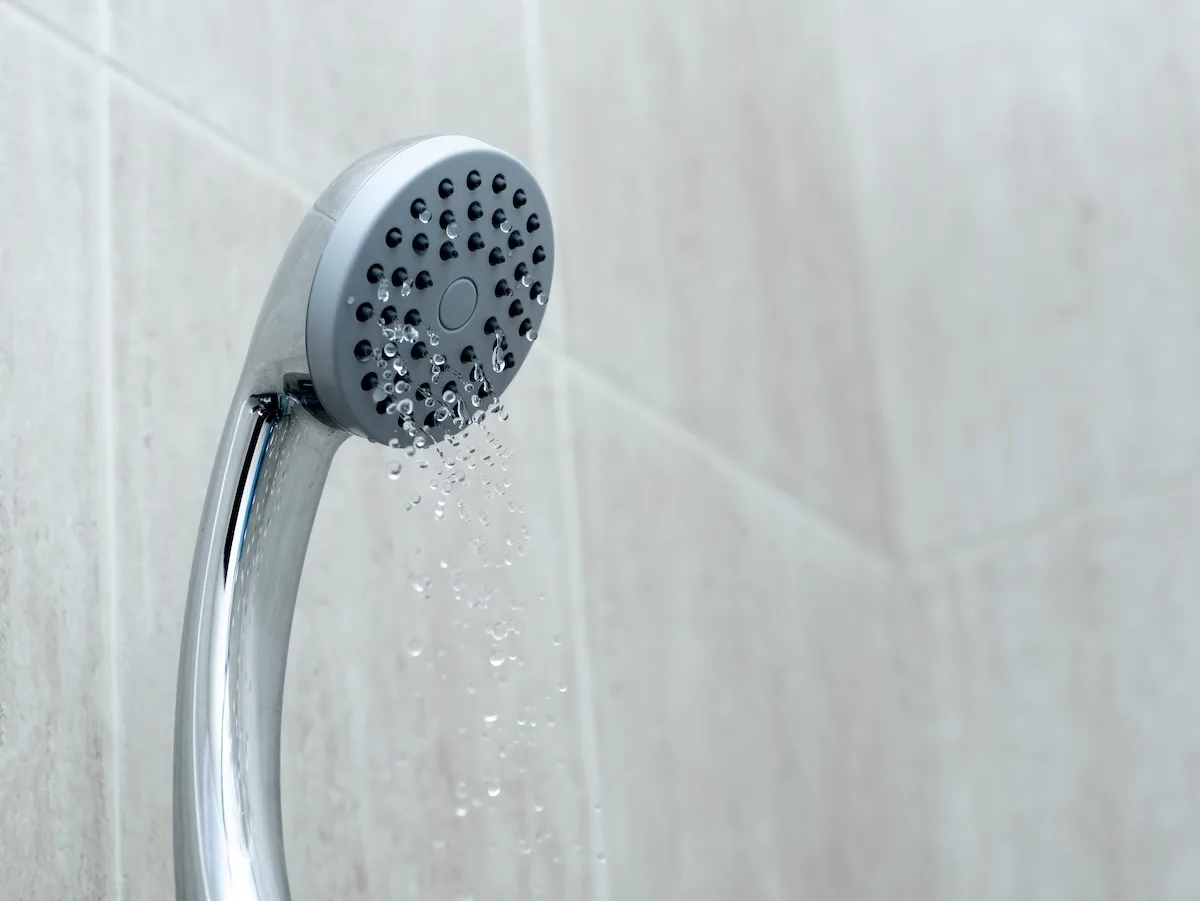
If your showers feel weak or it takes forever to fill a sink, you’re not alone. Many homeowners eventually wonder how to increase water pressure in your house without replacing everything. Fortunately, there are several simple fixes that can restore proper pressure and improve your home’s water flow without major plumbing work.
If you are wondering how to increase water pressure in your house, you’re not alone. Many homeowners face this issue and seek various methods to improve their water flow.
Knowing how to increase water pressure in your house can empower you to tackle plumbing problems.
In this guide, we’ll cover the most common causes of low water pressure and walk you through easy ways to troubleshoot and fix them.
- Low water pressure can result from clogged fixtures, faulty valves, or outdated equipment
- Some fixes are DIY-friendly, while others may require a licensed plumber
- Improving pressure increases comfort and performance for showers, faucets, and appliances
💧 What Is Normal Water Pressure for a House?
Most homes have water pressure between 40 and 60 PSI (pounds per square inch), with 50–55 PSI considered ideal. Anything below 40 PSI may feel sluggish, while pressure above 80 PSI can damage pipes and appliances.
Taking the time to learn how to increase water pressure in your house is beneficial for all homeowners.
If your water seems too weak or inconsistent, it’s worth checking to see where your home stands.
👉 Common Causes of Low Water Pressure
Before making adjustments, it helps to identify the cause of the issue. Here are the most likely culprits:
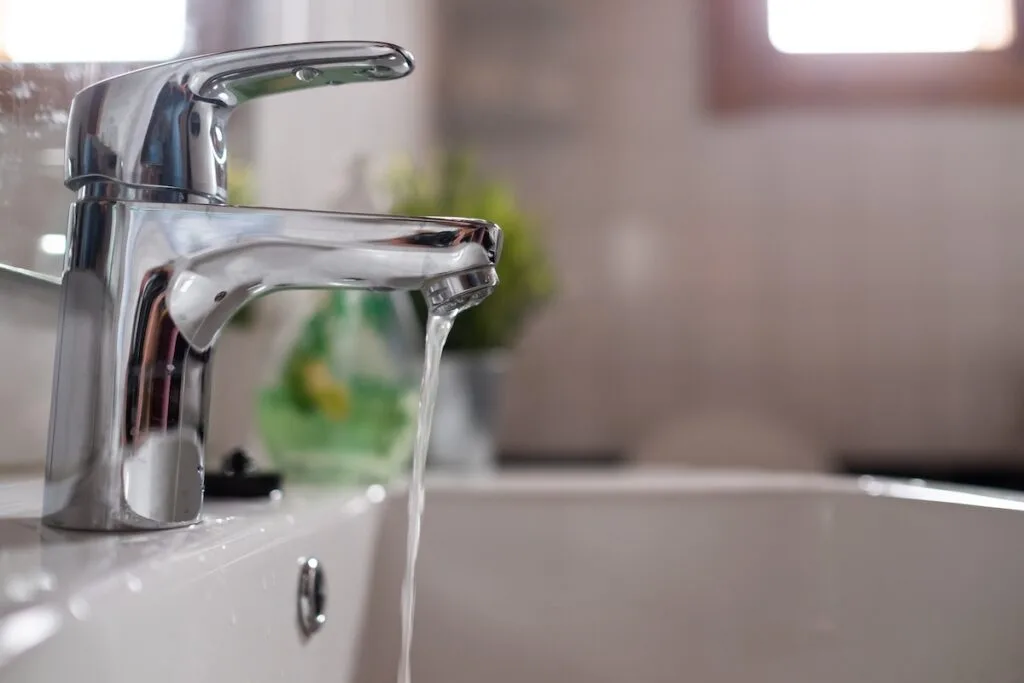
- Clogged aerators or showerheads: Mineral buildup and debris can restrict water flow
- Partially closed shut-off valves: Main water valves or fixture shut-offs may not be fully open
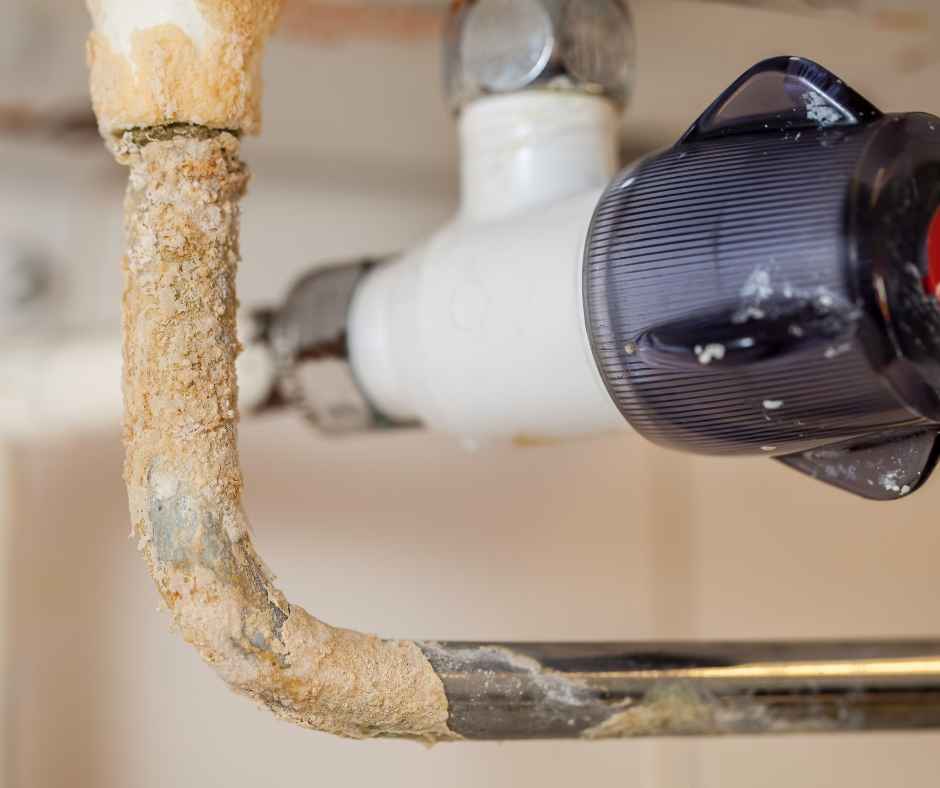
- Old or corroded pipes: Especially in older homes, buildup inside the pipes can narrow water pathways
- Pressure regulator problems: A failing pressure regulator can reduce water pressure throughout the house
- Plumbing leaks: Even a small hidden leak can lower pressure at faucets or appliances
- Municipal supply issues: Sometimes the problem comes from your water provider
Now let’s explore how to increase water pressure in your house quickly and easily.
✅ Easy Fixes to Increase Water Pressure In Your Home
You don’t always need to call in a plumber right away. Start with these DIY steps to troubleshoot and improve your home’s water pressure.
1. Check and Clean Faucet Aerators
- Unscrew the faucet aerator: It’s the small screen at the end of the faucet
- Rinse or soak in vinegar: This removes mineral deposits and debris
- Reattach and test pressure: Cleaning alone can noticeably improve flow
Repeat this for bathroom, kitchen, and utility sink faucets as needed.
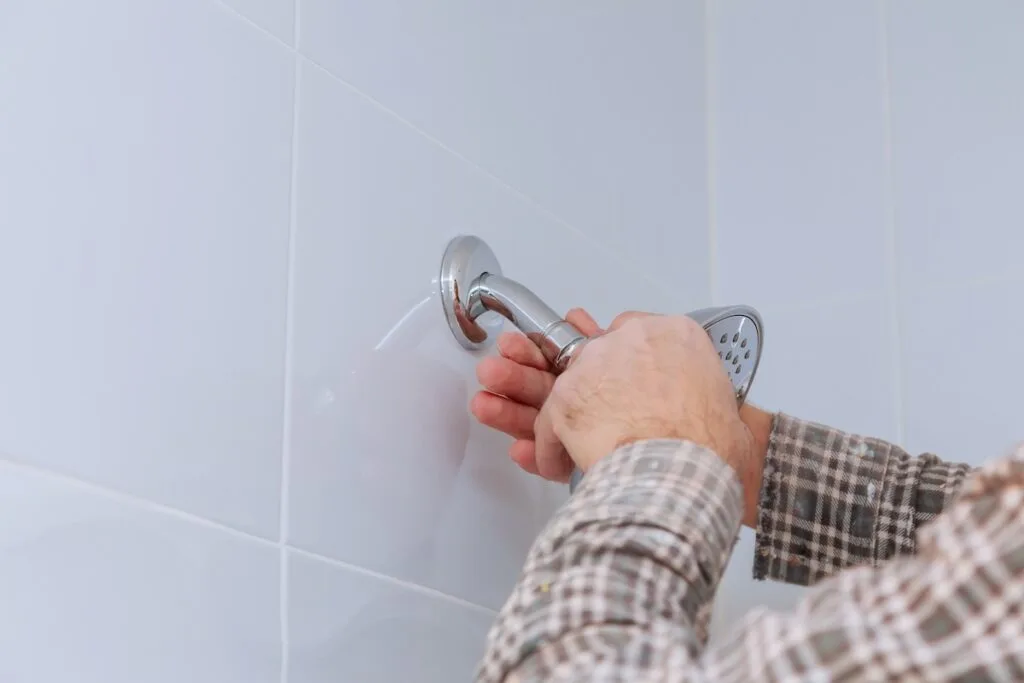
2. Clean or Replace Showerheads
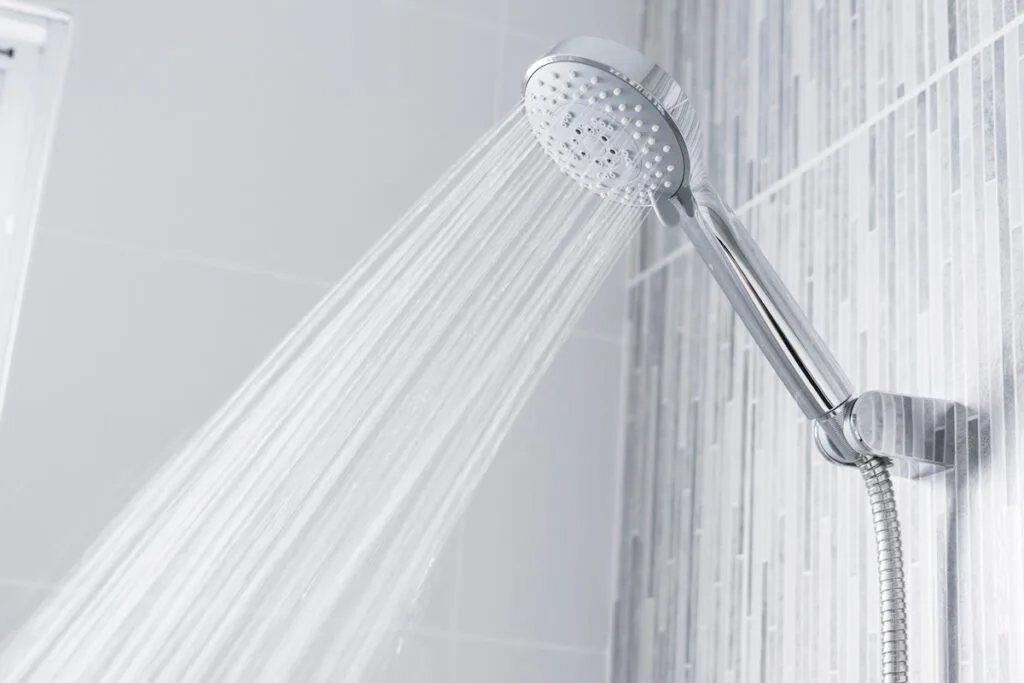
- Unscrew the showerhead: Check for buildup inside or in the screen filter
- Soak in white vinegar for 30 minutes: This dissolves mineral deposits
- Use a toothpick or brush: Gently clear clogged holes before reinstalling
- Consider upgrading: A new high-pressure or low-flow showerhead can improve performance and save water
3. Fully Open the Main Water Valve
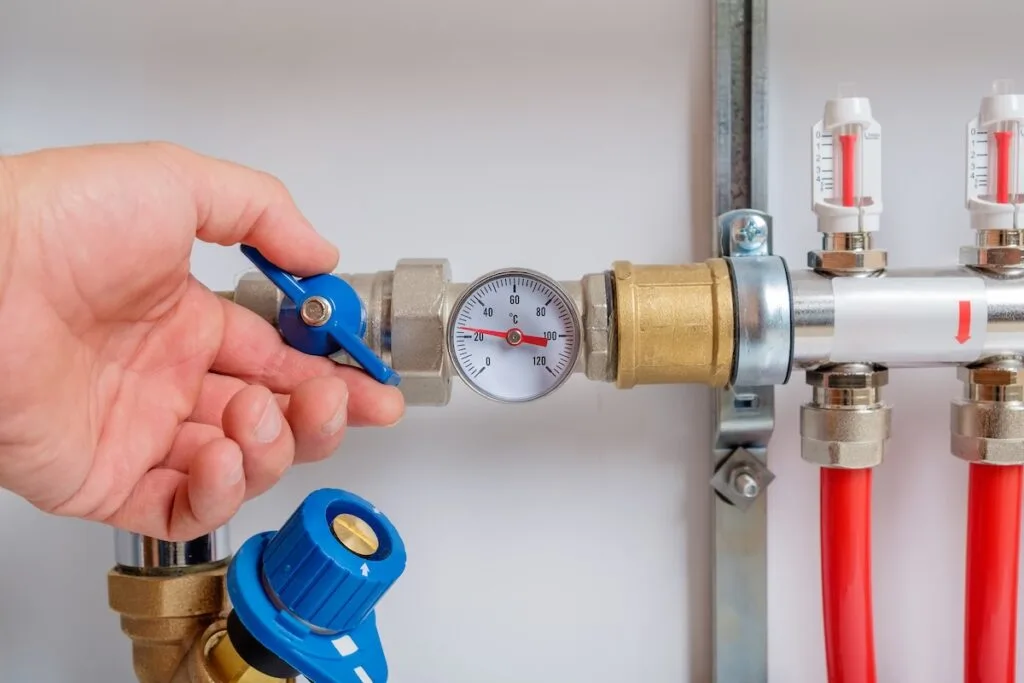
If recent plumbing work or home maintenance occurred, your main water valve might not be fully open.
- Locate the main shut-off valve: Usually in the basement, utility room, or near the water meter
- Turn the valve counterclockwise: Ensure it’s fully open for maximum flow
- Check outside spigots and indoor fixtures: You should notice improved pressure if this was the issue
4. Check the Water Pressure Regulator
Many homes have a pressure regulator installed where the main water line enters the home. If it malfunctions, it can restrict water pressure throughout the house.
- Look for a bell-shaped device near the shut-off valve
- Test your pressure: Use a pressure gauge on an outdoor spigot to measure PSI
- Typical range should be 50–60 PSI
If pressure is lower than 40 PSI and doesn’t respond to adjustments, the regulator may need replacement by a professional.
5. Look for Plumbing Leaks
Even a small leak in your plumbing system can reduce water pressure. Signs include:
- Unexplained increases in your water bill
- Water stains on ceilings or walls
- Dripping faucets or running toilets
If you suspect a leak but can’t find it, call a plumber for a detailed inspection.
Ultimately, knowing how to increase water pressure in your house leads to a more satisfying experience.
6. Adjust or Replace a Water Pressure Regulator
Some pressure regulators are adjustable with a wrench. Carefully turn the adjustment screw clockwise to increase pressure.
- Do not exceed 80 PSI to avoid pipe and appliance damage
- Make small adjustments and recheck pressure with a gauge
- Call a professional if your regulator is stuck, old, or malfunctioning
7. Remove Flow Restrictors from Fixtures
Many newer fixtures include flow restrictors to conserve water. While helpful for efficiency, they can reduce pressure more than necessary.
- Check your showerhead or faucet for removable restrictors
- Remove carefully and test pressure after removal
- Consider replacing fixtures with high-efficiency models that maintain strong flow
Removing restrictors may void warranties, so read the manufacturer’s guidelines before making changes.
Every homeowner should know how to increase water pressure in your house for better comfort.
📞 When to Call a Professional
If you’ve tried these fixes and still have poor water pressure, it’s time to call in a professional. Some issues require specialized tools or pipe replacement.
- Corroded or galvanized steel pipes often need to be replaced with copper or PEX
- Hidden leaks or slab leaks may require detection and repair by a licensed plumber
- Upgrading main supply lines can boost pressure if your home has outdated plumbing
For many homeowners, learning how to increase water pressure in your house means addressing pressure regulator issues.
At Genz-Ryan, our plumbing experts can assess your water pressure issues and provide the right solution—whether it’s a simple repair or a full system upgrade.
⭐️ Additional Upgrades to Improve Water Pressure
Once basic fixes are complete, you may want to consider these long-term upgrades for better flow and reliability.
Whole-Home Water Filtration System
Sediment buildup can reduce pressure at faucets and appliances. A filtration system removes minerals and debris from your water supply.
- Extends the life of pipes and fixtures
- Improves water clarity and taste
- Helps prevent clogs and buildup over time
Pipe Replacement or Repiping
In older homes, galvanized steel or corroded copper pipes may restrict water flow and lead to leaks.
- Upgrading to modern materials like PEX or copper restores pressure and reliability
- Prevents future plumbing issues caused by aging infrastructure
- Adds value and longevity to your home
Booster Pump Installation
If your water pressure is consistently low—even after troubleshooting—a booster pump can provide the added force needed to bring pressure to ideal levels.
- Ideal for homes on the edge of municipal supply lines or those with large layouts
- Automatically increases PSI to meet demand
- Often combined with pressure tanks or filtration systems for best results
🤝 Get the Water Pressure You Deserve
Knowing how to increase water pressure in your house doesn’t have to be complicated. With a few simple fixes like cleaning aerators, checking valves, or adjusting your pressure regulator, you can restore steady, satisfying water flow throughout your home.
And when the problem runs deeper, Genz-Ryan is here to help. Contact us today for a free quote and expert plumbing support. We’ll help you enjoy stronger showers, faster fill times, and a more comfortable home.

The Genz-Ryan Difference
Experience the trusted service, expert workmanship, and customer-first care that have made Genz-Ryan a Twin Cities favorite since 1950.