We are Open 24/7!




4.7
Google Rating
AC Repair or Replacement in the Twin Cities: What’s Smarter for Summer Savings?



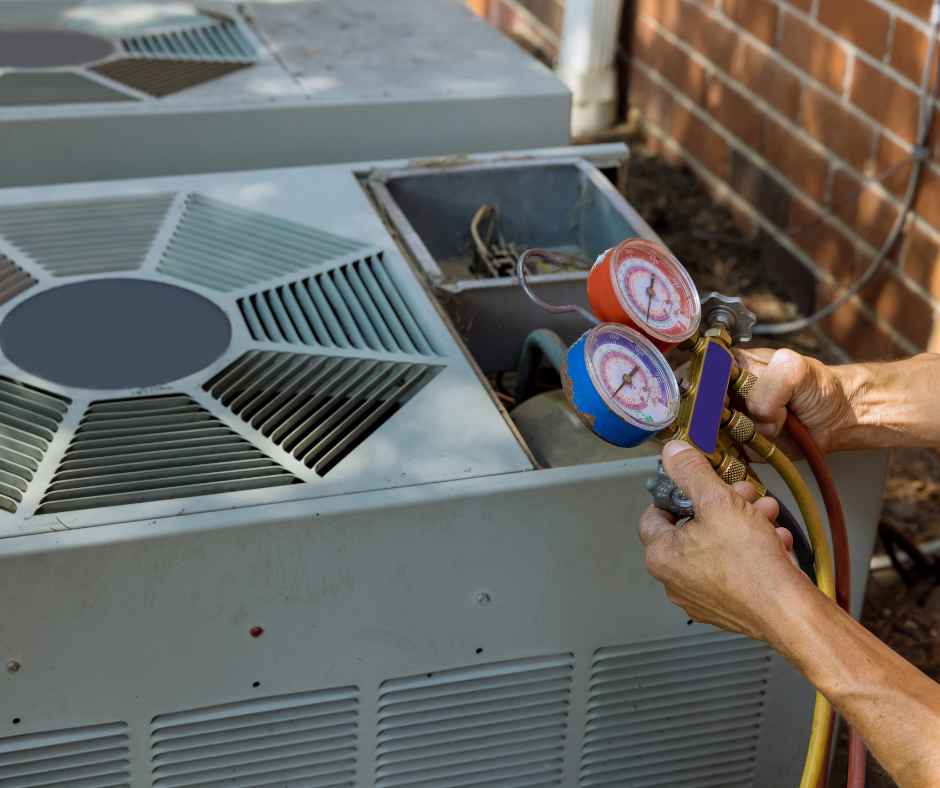
When your air conditioner breaks down during a Twin Cities summer, the cheapest immediate fix is not always the smartest long-term choice. A repair can make sense when the system is still relatively young and dependable, while replacement may offer better value when breakdowns, rising energy use, and poor comfort are becoming a pattern.
In this guide, you will learn how to compare AC repair and replacement based on age, repair cost, efficiency, comfort, and expected reliability. The goal is to help you decide whether another repair is likely to extend the useful life of your system or whether replacing it now could save more over the next several summers.
Is It Smarter to Repair or Replace Your AC?
Repair is usually the better value when the air conditioner is relatively young, the problem is isolated, and the system was cooling the home effectively before the failure. Replacement becomes more attractive when the equipment is older, repairs are becoming frequent, energy bills are rising, or a major component has failed.
Start by looking at:
- System age
- Current repair estimate
- Recent repair history
- Warranty coverage
- Cooling performance
- Energy use
- Major component condition
- Expected reliability after repair
One service call should not automatically push you toward replacement. The pattern matters more than a single breakdown.
When Is AC Repair Usually the Better Value?
Repair can be a smart choice when the rest of the system is still in good condition.
A repair may make sense when:
- The AC is relatively young
- Breakdowns have been infrequent
- The current problem involves one component
- The repair cost is reasonable
- Warranty coverage applies
- The system cooled well before the problem developed
- Energy use has remained stable
For example, replacing a failed capacitor, contactor, thermostat, or another isolated component may restore normal operation without justifying a full system replacement.
The key question is whether the repair is likely to restore dependable cooling. If the technician expects the rest of the system to continue operating well, repairing it may provide good value.
When Does AC Replacement Make More Financial Sense?
Replacement deserves stronger consideration when several warning signs appear together.
Common examples include:
- The AC is more than about 10 years old
- Repairs are becoming more frequent
- A major component has failed
- Energy use is increasing
- Some rooms are no longer cooling evenly
- The system runs for long periods without satisfying the thermostat
- Refrigerant problems keep returning
- Another expensive repair may be close behind
An older system with one small repair may still have useful life left. A similarly aged system with several recent breakdowns and worsening performance is a different situation.
The more money you are putting into an aging system, the more important it becomes to ask what you are actually buying. If the repair only provides short-term relief, replacement may offer better long-term value.
How Much Should Your AC’s Age Affect the Decision?
Age matters because major components wear over time, but age alone should not determine the answer.
Two air conditioners of the same age can be in very different condition depending on maintenance, installation quality, usage, and repair history.
An older system that has been well maintained and still cools efficiently may be worth repairing. A system of the same age that has frequent refrigerant issues, weak airflow, and multiple recent failures may not be.
Age becomes most useful when combined with:
- Current repair cost
- Frequency of past repairs
- Energy use
- Cooling performance
- Condition of major components
- Remaining warranty
Instead of asking only, “How old is my AC?” ask, “How much dependable service am I likely to get after this repair?”
That question is much more useful when comparing cost.
How Should You Compare a Repair Bill With Replacement Cost?
There is no universal formula that tells every homeowner when a repair is too expensive.
A better approach is to compare the repair cost with the value you are likely to receive afterward.
Consider:
- Current repair estimate
- Amount spent on recent repairs
- System age
- Remaining warranty
- Condition of the compressor and coils
- Cooling efficiency
- Comfort performance
- Replacement cost
- Likelihood of another major repair
A moderately expensive repair on a younger system may be justified if the rest of the equipment is healthy.
The same repair on an older AC with repeated breakdowns may not make financial sense.
The most important question is whether you are paying to restore a dependable system or simply buying a little more time for one that is already declining.
Can a New AC Actually Lower Summer Cooling Costs?
It can, especially when replacing older, less-efficient equipment, but the savings will vary from one home to another.
Cooling costs depend on more than the efficiency rating printed on the new system. Other factors include:
- Thermostat settings
- Insulation
- Duct leakage
- Airflow
- Home size
- Window exposure
- Twin Cities summer weather
- Electricity rates
- Household habits
If the current AC runs for long periods and struggles to maintain temperature, a newer, properly sized system may use energy more effectively.
However, replacing the equipment will not correct every efficiency problem. Leaky ducts, poor insulation, or restricted airflow can still waste conditioned air.
That is why the home should be evaluated as a complete system rather than assuming a new AC automatically solves every comfort or energy concern.
What If Your AC Runs Constantly but the House Still Feels Warm?
An air conditioner that runs all day without keeping the home comfortable may be losing performance, but replacement is not the only possible solution.
Other causes can include:
- Dirty filters
- Dirty coils
- Low airflow
- Refrigerant problems
- Duct leakage
- Blower issues
- Poor insulation
- Thermostat problems
- Improper equipment sizing
A technician should diagnose these conditions before recommending a new system.
If airflow, ductwork, refrigerant operation, and controls are all working properly and the older AC still cannot maintain comfort, replacement becomes a stronger option.
This is particularly true when the problem has grown worse over several summers.
Which AC Problems Make Replacement More Worth Considering?
Some repairs change the financial calculation more than others.
A replacement decision deserves a closer look when the system has:
- Compressor failure
- Significant coil problems
- Repeated refrigerant leaks
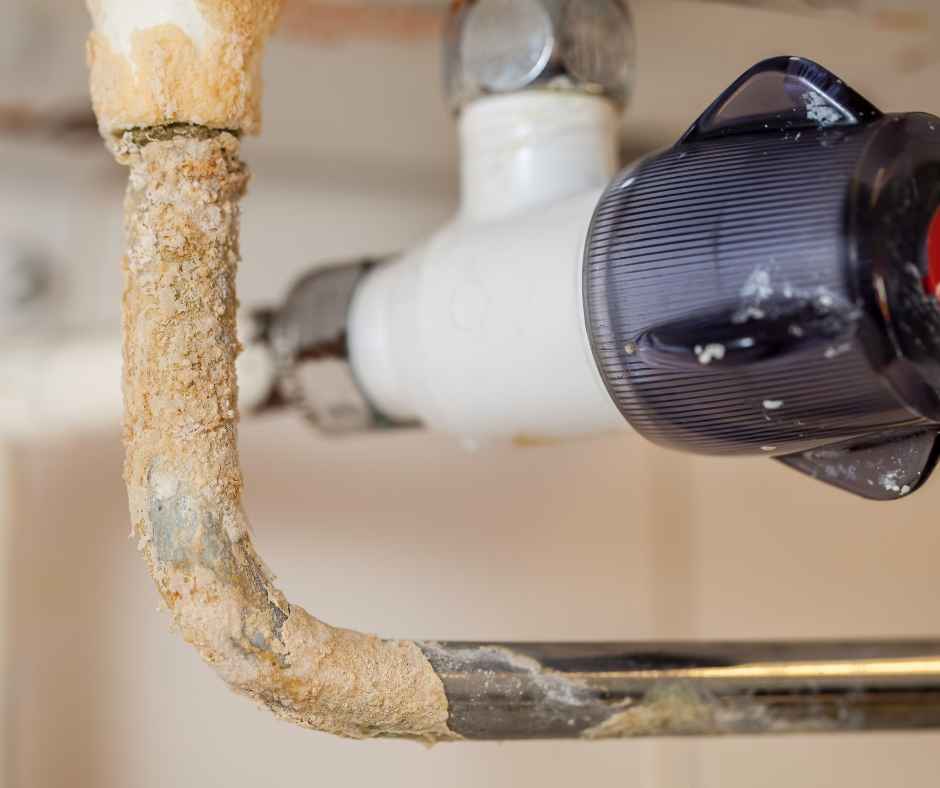
- Extensive corrosion
- Multiple component failures
- Frequent breakdowns after previous repairs
A major component failure does not automatically mean the system should be replaced.
A younger AC with warranty coverage may still be worth repairing. The same failure on an older system with a poor service history may not be.
The right decision depends on the condition of the entire system.
Why Can Planned Replacement Save More Than an Emergency Replacement?
Waiting until the AC stops working completely can limit your options.
An emergency failure during a hot stretch may force you to decide quickly because restoring comfort becomes the immediate priority.
A planned replacement gives you more time to compare:
- Equipment options
- Efficiency ratings
- Warranty coverage
- System sizing
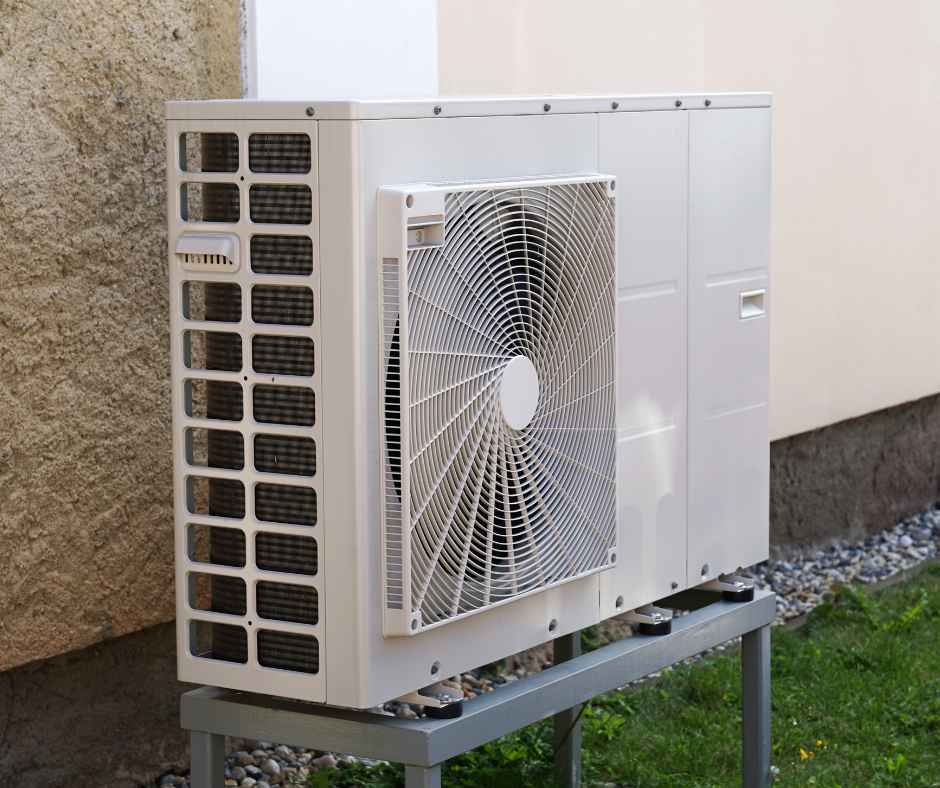
- Heat pump alternatives
- Financing
- Installation timing
It also allows you to replace the system before a major failure creates an urgent situation.
Planning does not mean replacing working equipment unnecessarily. It means recognizing when the system is becoming unreliable and considering options before the next breakdown makes the decision for you.
What Should an HVAC Technician Check Before You Decide?
A repair-or-replace recommendation should be based on a complete diagnosis.
The technician should evaluate:
- Cause of the current failure
- System age
- Repair history
- Compressor condition
- Coil condition
- Refrigerant performance
- Blower operation
- Airflow
- Duct condition
- Thermostat operation
- Current comfort
- Expected reliability after repair
If replacement is recommended, ask why.
You should understand whether the recommendation is based on equipment age, major component failure, recurring repairs, poor efficiency, comfort problems, or a combination of factors.
If repair is recommended, ask how likely it is to restore dependable operation and whether other major components are showing signs of wear.
That information makes the financial decision much easier.
Choose the Option That Saves More Than This Summer
Repair may be the smarter choice when your AC is still relatively young, the problem is isolated, and the rest of the system remains reliable. Replacement becomes more practical when age, frequent breakdowns, high repair costs, rising energy use, and declining comfort start appearing together.
The goal is not simply to spend the least amount today. It is to choose the option that gives you the best balance of summer comfort, operating cost, and reliability over the years ahead.
Genz-Ryan Heating, Cooling, Plumbing & Electrical helps Twin Cities homeowners diagnose AC problems, compare repair and replacement options, and plan for reliable summer cooling. If your air conditioner is becoming expensive or unreliable, contact us today to schedule a professional evaluation and determine which option makes the most sense for your home.

The Genz-Ryan Difference
Experience the trusted service, expert workmanship, and customer-first care that have made Genz-Ryan a Twin Cities favorite since 1950.