We are Open 24/7!




4.7
Google Rating
Why Does My Air Conditioner Run All Day During a Minnesota Heat Wave?



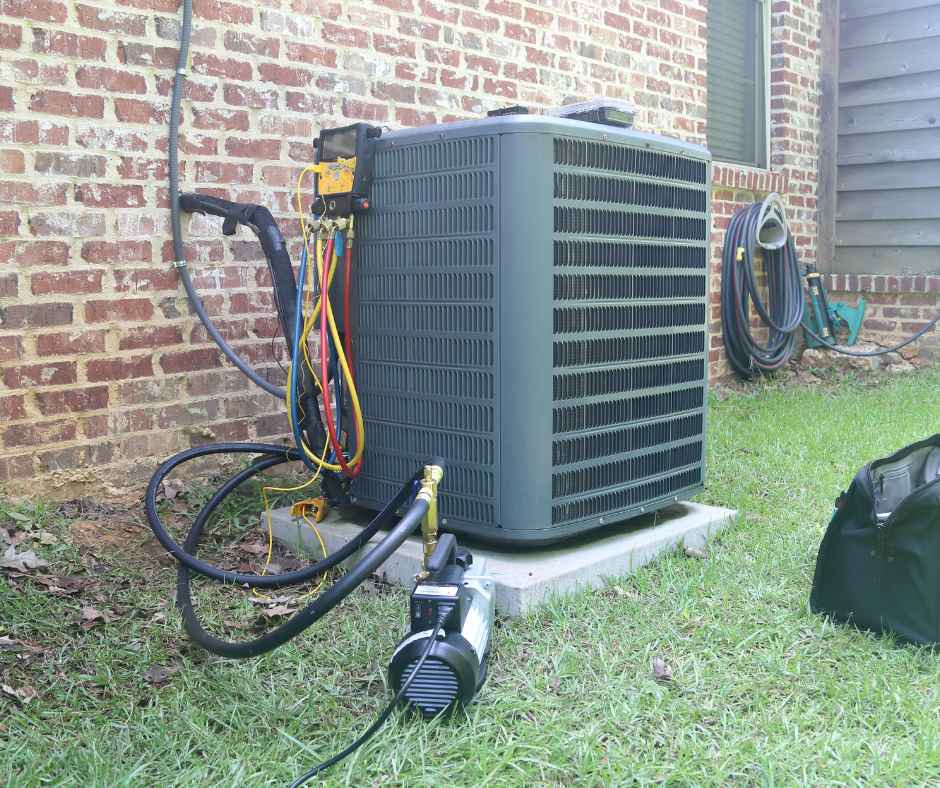
When summer temperatures spike in Minnesota, your air conditioner may seem like it never shuts off. Long cooling cycles can be normal during a heat wave, especially when the system is working against high outdoor temperatures, humidity, direct sunlight, and heat stored inside the home.
The more important question is whether the AC is still keeping the house comfortable. A system that runs continuously while maintaining the thermostat setting may simply be responding to extreme conditions. If indoor temperatures keep rising, airflow feels weak, or the home remains humid, the system may need professional attention.
In this guide, we will explain why an air conditioner may run all day during a Minnesota heat wave, which warning signs point to a problem, and when to schedule AC repair.
Is It Normal for an AC to Run Constantly During a Heat Wave?
An air conditioner removes heat from the home and releases it outdoors. As the outdoor temperature rises, this process becomes more demanding.
During extreme heat, the AC may run for long periods to offset heat entering through:
- The roof and attic
- Exterior walls
- Windows and doors
- Air leaks
- Ductwork
- Cooking appliances
- Electronics
- Household activity
Long operation is not automatically a sign of failure. Steady cycles can help maintain temperature and remove indoor humidity.
The situation becomes more concerning when the AC runs constantly but the home continues getting warmer. Warm air from the vents, weak airflow, ice, unusual sounds, or poor evening recovery may indicate a repair issue.
How Can I Tell Whether the AC Is Keeping Up?
Focus on performance rather than run time alone.
The system may be operating normally if:
- The home stays close to the thermostat setting
- Air from the vents feels cool
- Airflow remains steady
- Indoor humidity feels controlled
- The system begins cycling normally after the heat decreases
Schedule an inspection if:
- Indoor temperatures continue rising
- The vents produce warm or room-temperature air
- Airflow is noticeably weaker
- Some rooms remain much hotter than others
- The system does not recover after sunset
- Ice appears on the indoor unit or refrigerant line
- Energy use rises sharply
- The AC makes unusual noises
A system that loses a small amount of ground during the hottest afternoon period may still be functioning. A home that remains uncomfortable late into the night may have a larger problem.
Why Minnesota Heat Waves Increase Cooling Demand
Minnesota is known for cold winters, but summer heat and humidity can still place a heavy load on residential cooling systems.
During a heat wave, the AC may be dealing with:
- High daytime temperatures
- Elevated humidity
- Warm nights with limited recovery
- Strong sunlight through windows
- Heat stored in attic materials
- Increased household activity
- Longer cooling cycles over several consecutive days
The roof, attic, walls, and upper floors can absorb heat throughout the day and continue releasing it after sunset.
If insulation or air sealing is inadequate, the cooling system may be working against a constant flow of heat entering the home.
Could the Thermostat Be Contributing to the Problem?
Before assuming the equipment has failed, review the thermostat settings.
Confirm that:
- The thermostat is set to COOL
- The fan is set to AUTO
- The temperature is set reasonably
- A schedule has not changed the setting
- Smart recovery or eco settings are not interfering
- The thermostat is not exposed to direct sunlight
- The batteries are working
Setting the thermostat significantly lower does not make the AC cool faster. It only tells the system to keep running longer.
Large temperature setbacks can also make recovery more difficult. If the home becomes very warm during the day, the AC may need hours to remove the stored heat.
Could a Dirty Filter Make the AC Run All Day?
A clogged air filter restricts airflow through the HVAC system.
Reduced airflow may cause:
- Longer cooling cycles
- Weak air from vents
- Uneven temperatures
- Higher energy use
- Blower strain
- Evaporator coil freezing
Check the filter and replace it if it is visibly dirty.
A new filter may improve airflow, but it will not resolve every problem. If the system still runs constantly, the restriction may involve the blower, evaporator coil, ductwork, or another internal component.
Is the Outdoor Condenser Dirty or Blocked?
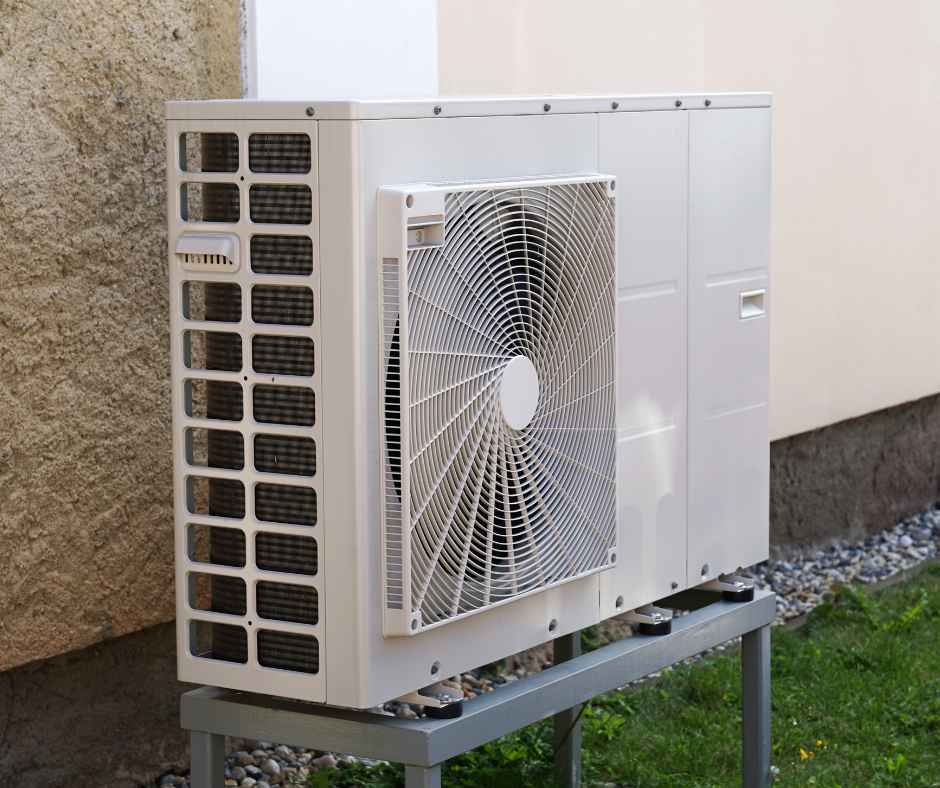
The outdoor condenser releases the heat collected from inside the home.
Dirt, grass clippings, leaves, cottonwood, and other debris can collect on the coil or around the unit. Shrubs and stored objects may also limit airflow.
When heat cannot escape efficiently, the system may:
- Run longer
- Use more electricity
- Produce less cooling
- Operate at higher temperatures
- Shut down through a safety control
- Place added strain on the compressor
Keep the visible area around the unit clear. Internal coil cleaning and electrical work should be handled by a trained HVAC technician.
Could the Evaporator Coil Be Dirty or Frozen?
The indoor evaporator coil absorbs heat from the air. Dirt or ice on the coil interferes with that process.
A frozen coil may be caused by:
- A clogged filter
- Restricted airflow
- A dirty evaporator coil
- Blower motor trouble
- Closed or blocked vents
- Refrigerant problems
Signs may include:
- Ice on the refrigerant line
- Weak airflow
- Warm air from vents
- Water around the indoor unit
- Long cooling cycles
- Reduced comfort
If you see ice, turn off the cooling function and schedule service. Allowing the ice to melt may restore airflow temporarily, but it does not correct the underlying cause.
Could Low Refrigerant Be Reducing Cooling Capacity?
Refrigerant carries heat through the cooling system. A low refrigerant level may reduce the AC’s ability to cool the home.
Possible symptoms include:
- Constant operation
- Poor cooling
- Ice on the coil or refrigerant line
- Hissing or bubbling sounds
- Longer recovery times
- Higher energy bills
- Warm air from the vents
Refrigerant does not normally get used up. If the system is low, there may be a leak or another problem.
Adding refrigerant without finding the cause may only provide temporary relief. A technician should inspect the system and determine whether a repair is needed.
Are Duct Leaks Wasting Cooled Air?
The air conditioner may be producing enough cooling while damaged ductwork prevents that air from reaching the rooms.
Potential duct problems include:
- Disconnected sections
- Loose joints
- Torn flexible ducts
- Crushed runs
- Poor insulation
- Undersized branches
- Return-air leaks
Supply leaks can release cooled air into an attic, basement, or crawlspace. Return leaks may pull hot or humid air into the system.
Rooms farthest from the air handler may receive weaker airflow and remain warmer than the rest of the house.
Duct leakage can make the AC run almost continuously while delivering less comfort.
Could the Air Conditioner Be Undersized?
An undersized system may cool the home adequately during moderate weather but struggle during peak heat.
Sizing problems may result from:
- Incorrect original installation
- A home addition
- A finished attic or basement
- Added windows
- Changes in insulation
- Duct modifications
- Increased living space
Equipment should be selected using a professional cooling load calculation rather than square footage alone.
An undersized AC may run continuously and still fail to reach the thermostat setting. However, if the system cooled properly in similar weather before and suddenly began struggling, a maintenance or repair problem is more likely.
How Insulation and Air Leaks Affect Run Time
The AC may be operating correctly while the home gains too much heat.
Common sources include:
- Low attic insulation
- Gaps around doors and windows
- Unsealed attic penetrations
- Leaky recessed lighting
- Poorly sealed attic access
- Older windows
- Damaged weatherstripping
Heat gain often affects upper floors and rooms exposed to strong afternoon sunlight.
Improving insulation and air sealing can reduce cooling demand, help the AC cycle more normally, and improve room-to-room comfort.
Why Does the Upstairs Stay Warmer?
Upper floors often feel warmer because they are closer to the attic and may receive more solar heat.
Other causes include:
- Long duct runs
- Weak return airflow
- Closed bedroom doors
- Undersized supply ducts
- Leaky attic ductwork
- West-facing windows
- Poor ceiling insulation
A room may receive conditioned air but lack a clear path for air to return to the HVAC system. This pressure imbalance can reduce airflow and create uneven cooling.
Room-specific comfort problems should be included in the professional system evaluation.
Does the AC Recover After Sunset?
Evening recovery is an important clue.
As outdoor temperatures fall and sunlight weakens, the cooling load should decrease. A functioning system should generally begin moving the indoor temperature closer to the thermostat setting.
Poor evening recovery may indicate:
- Reduced cooling capacity
- Dirty coils
- Refrigerant trouble
- Weak airflow
- Duct leakage
- Excessive heat gain
- Incorrect system sizing
If the AC continues running all night without making progress, professional diagnosis is appropriate.
When Does Constant AC Operation Require Repair?
Call for AC service when continuous operation is accompanied by:
- Warm air
- Weak airflow
- Rising indoor temperatures
- Ice on the equipment
- Water around the air handler
- Unusual buzzing, rattling, or grinding
- Repeated breaker trips
- Burning or musty odors
- Excessive indoor humidity
- No recovery after sunset
Turn the system off and seek prompt service if you notice burning odors, electrical damage, repeated breaker trips, or water near electrical components.
Addressing the problem early may prevent a smaller issue from contributing to a more expensive failure.
What Will a Professional AC Inspection Include?
A thorough cooling-system evaluation may include:
- Thermostat operation
- Filter condition
- Airflow measurements
- Supply and return temperatures
- Blower performance
- Evaporator coil condition
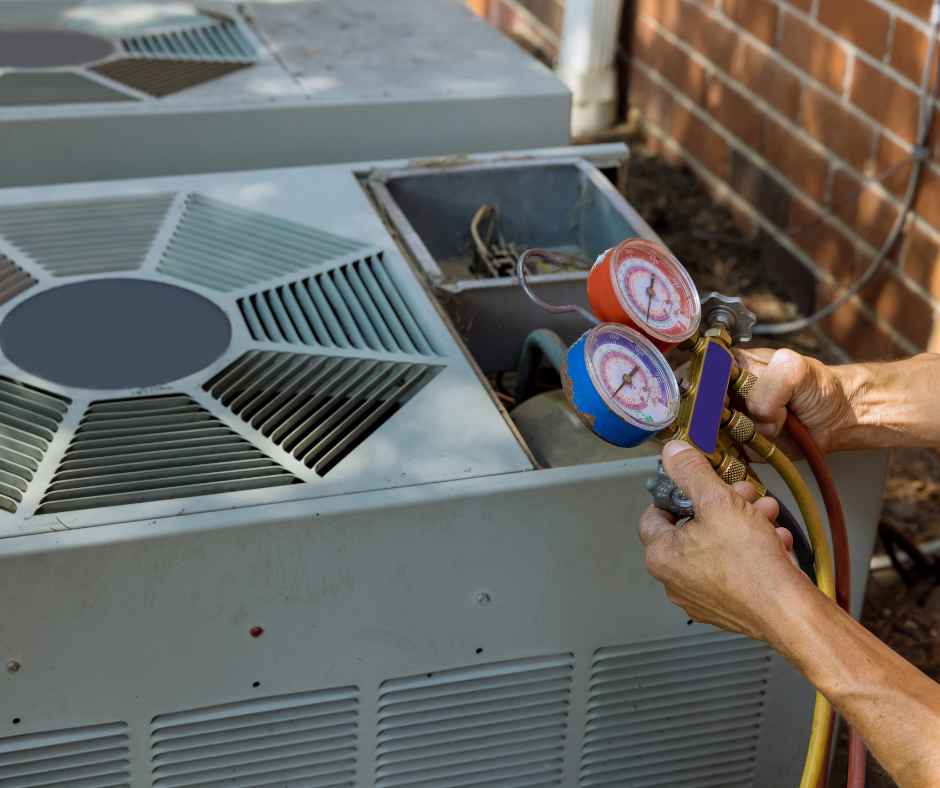
- Refrigerant operation
- Outdoor condenser condition
- Electrical components
- Condensate drainage
- Ductwork
- Equipment sizing concerns
The goal is to determine whether the AC is responding normally to extreme heat or losing capacity because of a system problem.
The technician may also identify insulation, duct, or airflow conditions that contribute to long run times.
How Can I Help the AC During a Heat Wave?
Homeowners can reduce the cooling load by:
- Closing blinds on sunny windows
- Limiting oven use during the afternoon
- Running appliances later in the day
- Keeping exterior doors closed
- Replacing a dirty filter
- Keeping supply and return vents open
- Using ceiling fans in occupied rooms
- Avoiding large thermostat setbacks
- Turning off unnecessary electronics
Fans help people feel cooler but do not lower the room temperature. Turn them off when rooms are unoccupied.
These steps may help the system during extreme weather, but they do not replace repair when the AC has a mechanical, electrical, airflow, or refrigerant problem.
Find Out Why Your AC Runs Constantly
An air conditioner may run all day during a Minnesota heat wave and still be operating normally, especially if it maintains a comfortable temperature and controls humidity.
If the home keeps getting warmer, airflow becomes weak, the system freezes, or it cannot recover after sunset, there may be a problem with the filter, coils, refrigerant, ductwork, electrical components, or system sizing.
Genz-Ryan can inspect your cooling system, identify why it is running constantly, and recommend the appropriate repair or improvement. If your AC cannot keep your Minnesota home comfortable during extreme heat, contact us today to schedule professional air conditioning service.

The Genz-Ryan Difference
Experience the trusted service, expert workmanship, and customer-first care that have made Genz-Ryan a Twin Cities favorite since 1950.