We are Open 24/7!




4.7
Google Rating
Breakers Tripping in Your Saint Paul Home This Winter? Your Electrical Panel Might Be Outdated



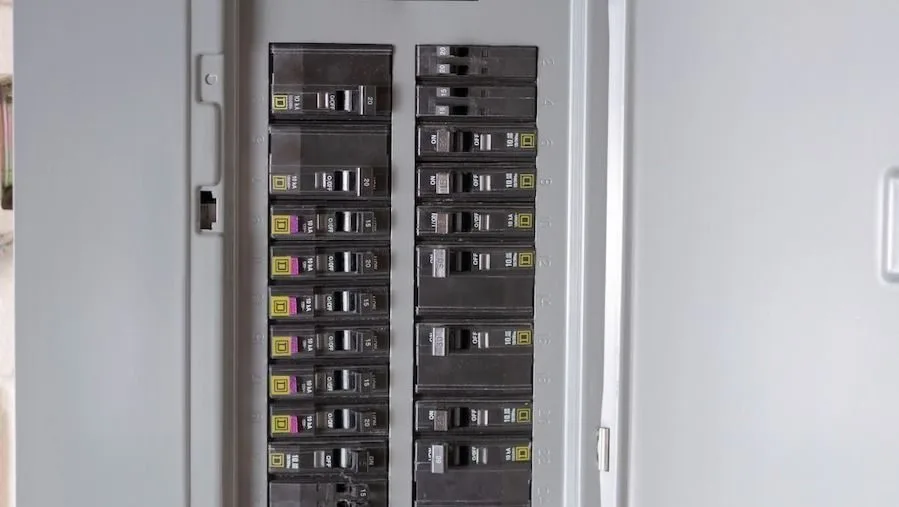
When temperatures drop below freezing in Saint Paul, Minnesota, your home’s electrical system may face increased demands. Portable space heaters, heating equipment, and everyday appliances can strain household circuits. If your circuit breakers keep tripping during winter, the problem could involve overloaded wiring, faulty equipment, or an electrical panel that no longer meets your home’s needs.
For homeowners throughout Saint Paul and the surrounding Twin Cities, frequent breaker trips shouldn’t be ignored. Although circuit breakers are designed to protect your home from electrical hazards, repeated interruptions may indicate underlying problems that require professional attention.
In this guide, we’ll explain why circuit breakers trip more frequently during winter, how to recognize signs of an outdated electrical panel, and when an electrical panel upgrade in Saint Paul, MN, may be necessary.
Why Do Circuit Breakers Trip More Often During Winter?
Circuit breakers are safety devices designed to interrupt electrical current when certain unsafe conditions occur. When a circuit carries more electricity than it can safely handle, the breaker trips to help prevent overheating and potential electrical fires.
During Minnesota winters, homeowners often use additional electrical equipment to stay comfortable. Portable heaters, heated blankets, and supplemental heating systems can increase demand on circuits already supplying other household appliances.
For example, operating a space heater and several other devices on the same circuit may exceed its capacity. The breaker responds by shutting off electricity to that circuit.
Common causes of winter breaker trips include:
-
Portable space heaters: High-wattage heaters can consume much of a circuit’s available capacity.
-
Multiple appliances: Running several electrical devices simultaneously can overload a circuit.
-
Electric heating equipment: Supplemental heating systems may increase household electricity demand.
-
Damaged appliances: Faulty equipment can create electrical conditions that trigger breakers.
-
Wiring problems: Damaged or deteriorating wiring may cause short circuits or other faults.
-
Aging breakers: Worn or defective breakers may malfunction or trip unexpectedly.
Cold weather doesn’t automatically cause circuit breakers to fail. However, increased winter electricity usage can reveal existing problems with your home’s electrical system.
Does a Tripping Breaker Mean Your Electrical Panel Is Outdated?
A tripping breaker doesn’t necessarily mean your electrical panel needs replacement. In many cases, the breaker is functioning exactly as intended by interrupting electricity when it detects a potentially unsafe condition.
For example, a circuit overloaded by a portable heater may trip even when the electrical panel is in excellent condition. Similarly, a malfunctioning appliance can cause repeated trips without indicating a problem with the panel itself.
However, frequent breaker trips can sometimes point to larger electrical concerns.
An older panel may have deteriorating components, limited capacity, or equipment that no longer suits the home’s electrical demands. These problems can become more noticeable when homeowners add appliances or use more electricity during winter.
The important distinction is identifying whether the problem involves an individual circuit, connected equipment, or the electrical distribution system.
A licensed electrician can evaluate the cause and determine whether repairs, additional circuits, or replacing the electrical panel would be appropriate.
What Are the Warning Signs of an Outdated Electrical Panel?
Electrical panels distribute electricity throughout your home and contain protective devices designed to interrupt unsafe electrical conditions. Although panels can remain functional for many years, their components may deteriorate or no longer meet changing household needs.
An electrical panel’s age alone doesn’t prove that replacement is necessary. However, certain warning signs deserve professional evaluation.
Potential signs of electrical panel problems include:
-
Frequent breaker trips: Circuits repeatedly lose power without an obvious explanation.
-
Burning odors: Unusual smells near electrical equipment may indicate overheating.
-
Buzzing or crackling: Unexpected noises can suggest electrical faults.
-
Visible corrosion: Rust or moisture damage may affect electrical components.
-
Excessive heat: Unusual warmth around electrical equipment can indicate a serious problem.
-
Damaged breakers: Breakers may appear deteriorated or fail to operate correctly.
-
Limited circuit capacity: The panel may not accommodate additional circuits needed for renovations or appliances.
-
Improper modifications: Previous electrical work may have introduced unsafe conditions.
Burning smells, smoke, visible arcing, or signs of overheating require urgent attention. Homeowners should avoid touching affected equipment and contact a qualified electrician.
Never remove an electrical panel cover or attempt to inspect internal wiring yourself. Even when individual breakers are switched off, dangerous electrical components may remain energized.
Can Older Saint Paul Homes Handle Modern Electrical Demands?
Saint Paul is home to established neighborhoods such as Highland Park, Macalester-Groveland, Summit Hill, and Hamline-Midway. Many properties throughout these communities were constructed before today’s electrical appliances and household technologies became common.
Older homes aren’t automatically unsafe, but their electrical systems may have been designed around different usage patterns.
Modern households frequently rely on equipment that can increase electrical demand, including:
-
Electric vehicle chargers.
-
Electric dryers and kitchen appliances.
-
Portable heating equipment.
-
Home office electronics.
-
Heat pumps and other electric heating systems.
-
Additional circuits installed during renovations.
For example, a homeowner adding an EV charger or upgrading major appliances may need an electrical capacity assessment before installation.
Some homes can accommodate these changes using existing service equipment, while others may require new circuits or electrical service upgrades.
The appropriate solution depends on the home’s wiring, existing electrical loads, and available capacity.
For Saint Paul homeowners considering renovations or major appliance upgrades, a professional electrical load calculation can help determine whether the current system is adequate.
What Should You Do When a Circuit Breaker Keeps Tripping?
If a circuit breaker trips, the safest response is to identify possible causes without attempting electrical repairs.
A single trip caused by an obvious overload may be relatively straightforward to address. However, repeated trips can indicate a problem that requires professional diagnosis.
Safe steps homeowners can take include:
-
Identify the affected circuit. Determine which lights, outlets, or appliances lost power.
-
Disconnect connected equipment. Turn off or unplug appliances that may have contributed to the overload.
-
Inspect visible cords and plugs. Look for obvious damage without touching exposed wiring or overheated equipment.
-
Consider recent electrical usage. Determine whether a space heater or another high-demand appliance was operating when the breaker tripped.
-
Reset only when appropriate. If there are no signs of damage, overheating, or electrical faults, follow the manufacturer’s instructions for a single reset.
-
Monitor for recurring problems. If the breaker trips again, leave the affected circuit off and contact a licensed electrician.
Never repeatedly reset a breaker that continues tripping. Doing so can allow an unresolved electrical problem to persist.
Never replace a breaker with a higher-amperage model just to prevent trips. Circuit protection must match the wiring and equipment it serves.
If you notice burning odors, buzzing, smoke, or visible electrical damage, avoid resetting the breaker and arrange professional assistance.
When Is an Electrical Panel Upgrade Necessary?
An electrical panel upgrade may be appropriate when existing equipment is damaged, deteriorated, or can’t support the home’s electrical needs.
However, panel replacement isn’t always the correct solution for frequent breaker trips.
If the problem involves one overloaded circuit, an electrician may recommend redistributing electrical loads or installing an appropriately designed additional circuit. A defective breaker or damaged connection may also be repairable without replacing the entire panel.
Situations where an electrical panel upgrade may be worth considering include:
-
The panel has significant corrosion or deterioration.
-
Existing equipment cannot safely accommodate required repairs.
-
The home needs additional electrical capacity.
-
Major renovations will increase electrical demand.
-
New equipment requires electrical service modifications.
-
The panel contains damaged or incompatible components.
-
A professional inspection identifies significant safety concerns.
Homeowners sometimes assume that upgrading from 100-amp to 200-amp electrical service is always necessary. However, a 100-amp service isn’t inherently unsafe or inadequate for every property.
The appropriate electrical service size depends on the home’s calculated demand, not simply its age or square footage.
A licensed electrician can assess the existing equipment, perform the necessary calculations, and recommend an appropriate solution.
Electrical panel upgrades in Saint Paul may also require permits and inspections under applicable local and state requirements. Professional installation helps ensure that the work meets relevant electrical safety standards.
How Can You Reduce Electrical Overloads During Winter?
Preventing winter electrical problems starts with understanding how household equipment uses electricity.
Portable heaters deserve particular attention because they can place substantial demand on individual circuits. Using them alongside other high-wattage appliances may cause repeated breaker trips.
Practical winter electrical safety tips include:
-
Plug portable space heaters directly into appropriate wall outlets.
-
Avoid connecting space heaters to extension cords or power strips.
-
Follow manufacturer instructions for electrical heating equipment.
-
Keep portable heaters away from curtains, furniture, and combustible materials.
-
Avoid operating several high-demand appliances on the same circuit.
-
Replace damaged electrical cords and plugs.
-
Stop using outlets that show signs of overheating or damage.
-
Schedule professional inspections when breakers trip frequently.
For homeowners throughout Saint Paul, Roseville, Maplewood, and Woodbury, these precautions can help reduce unnecessary electrical strain during Minnesota’s coldest months.
However, changing how you use appliances won’t resolve every electrical problem. If breakers continue tripping despite reducing electrical demand, professional evaluation is necessary.
Keep Your Saint Paul Home Safe With Genz-Ryan
Frequent circuit breaker trips during winter can be frustrating, but they may also reveal electrical problems that deserve attention. Whether the cause involves overloaded circuits, deteriorating equipment, or insufficient electrical capacity, identifying the underlying issue is essential to maintaining a safe, reliable electrical system.
Genz-Ryan helps homeowners throughout Saint Paul and the Twin Cities address residential electrical concerns. From evaluating recurring breaker problems to determining whether an electrical panel upgrade is appropriate, professional assessment can help you make informed decisions about your home’s electrical needs.
If your circuit breakers keep tripping or you’re concerned about an outdated electrical panel, contact Genz-Ryan today. Our team can evaluate your electrical system, explain available solutions, and help you prepare your Saint Paul home for Minnesota’s demanding winter months.

The Genz-Ryan Difference
Experience the trusted service, expert workmanship, and customer-first care that have made Genz-Ryan a Twin Cities favorite since 1950.