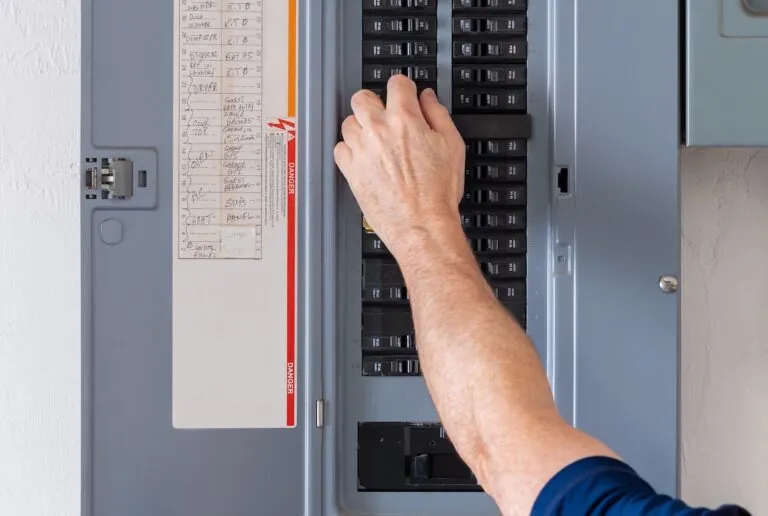


When storms hit or power outages strike, a reliable backup system can make all the difference. Knowing the basics of whole home generator installation helps you keep your home safe, warm, and connected no matter the weather. For homeowners in Plymouth and surrounding areas, a properly installed generator offers peace of mind and dependable comfort through Minnesota’s unpredictable seasons.
Before installing a generator, it’s important to plan ahead and understand the process.
- Safety first: Proper installation ensures safe operation and protection for your home’s electrical system.
- Efficiency matters: The right generator size and setup deliver reliable, long-term performance.
- Professional installation: Hiring an expert ensures code compliance and lasting peace of mind.
Here are seven essential tips to guide you through the process of whole home generator installation.
1. Determine Your Power Needs
The first step in any generator project is figuring out how much power your home actually requires. Every household is different, and oversizing or undersizing your system can affect performance and efficiency.
- List essential appliances: Identify critical systems like the furnace, refrigerator, sump pump, and medical equipment.
- Calculate wattage: Add up total running watts and surge watts to estimate your energy demand.
- Plan for future needs: Consider upgrades or additions that might increase your energy requirements.
For families in Plymouth and surrounding areas, where winter storms often cause extended outages, sizing your generator correctly is key to staying comfortable and safe.
2. Choose the Right Generator Type
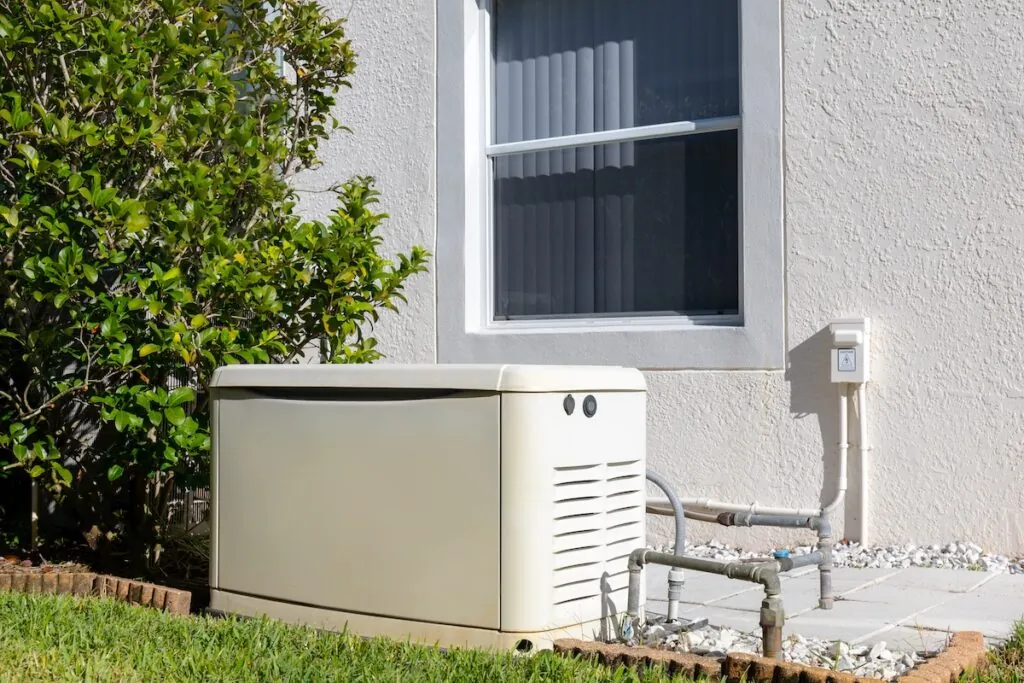
There are two main categories of standby generators: air-cooled and liquid-cooled. Each type serves different needs and home sizes.
Air-Cooled Generators
Air-cooled models use fans to regulate temperature and are commonly installed in smaller or mid-sized homes.
- Cost-effective: Typically less expensive to install and maintain.
- Compact design: Requires less space around the home.
- Best for moderate loads: Ideal for powering essential systems and appliances.
Liquid-Cooled Generators
Liquid-cooled systems use an enclosed coolant system, similar to a car radiator.
- Higher capacity: Designed for large homes or heavy electrical demand.
- Quiet operation: Runs more smoothly and produces less noise.
- Extended durability: Handles prolonged use during multi-day outages.
Choosing between the two depends on your home’s size, power needs, and budget.
3. Select the Best Location
Placement plays a crucial role in safety, performance, and compliance. A generator should be positioned where it can operate safely while providing easy access for maintenance.
- Distance from the home: Install at least five feet from doors, windows, and vents to prevent carbon monoxide buildup.
- Stable surface: Mount the unit on a concrete pad or compacted gravel base to prevent shifting.
- Accessibility: Ensure there’s space for service technicians to perform inspections or repairs.
- Weather protection: Keep the area clear of snow, ice, and debris during winter.
Local codes in Plymouth and surrounding areas may have additional placement requirements, which your installer can review during the planning phase.
4. Obtain Necessary Permits and Inspections
Whole home generator installation involves electrical and gas connections, both of which require professional oversight and proper permits. Attempting installation without them could result in safety hazards or insurance issues.
- Electrical permit: Ensures the system integrates safely with your home’s main panel.
- Gas or propane permit: Verifies proper fuel line installation and pressure testing.
- Final inspection: Confirms that all local codes and manufacturer requirements are met.
Working with a licensed professional ensures your system passes inspection and operates safely under all conditions.
5. Hire a Professional Installer
While DIY projects are tempting, generator installation should always be handled by certified technicians. The process involves connecting to live electrical systems and natural gas lines—tasks that require expertise and precision.
- Safety assurance: Professionals follow strict installation standards to prevent fire or shock risks.
- Proper sizing: Installers help match your generator to your home’s unique energy demands.
- Warranty protection: Manufacturer warranties often require professional installation.
- System testing: After setup, technicians test the generator under load to confirm readiness.
Residents of Plymouth and surrounding areas can count on Genz-Ryan’s expert team for safe, code-compliant whole home generator installation from start to finish.
6. Plan for Regular Maintenance
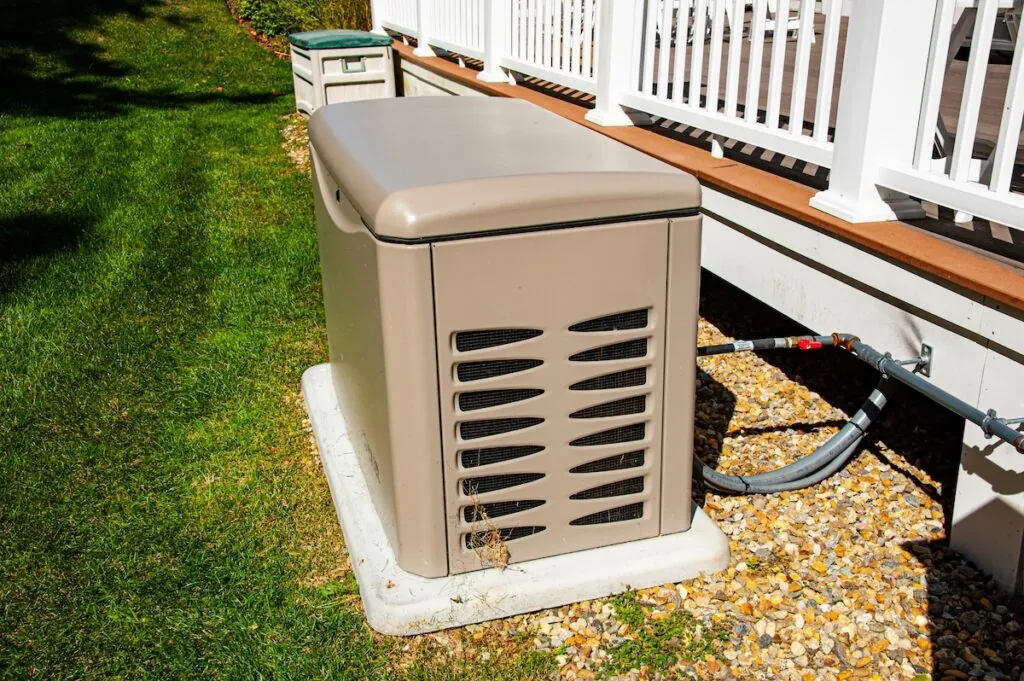
Like any mechanical system, standby generators need routine care to stay dependable. Regular maintenance keeps your system running efficiently and ready for emergencies.
- Oil and filter changes: Follow manufacturer recommendations—typically once a year or after 100 hours of use.
- Battery checks: Ensure the starting battery remains charged and free of corrosion.
- Air filter replacement: Keep airflow clean to prevent overheating.
- Run tests: Operate the generator monthly for 10–15 minutes to keep components lubricated.
Genz-Ryan offers ongoing maintenance plans for homeowners in Plymouth and surrounding areas to ensure their generators stay in peak condition all year long.
7. Consider Adding Smart Monitoring Features
Modern generators can integrate with smart home systems, allowing you to monitor performance remotely through an app. This makes it easy to stay informed even when you’re away.
- Remote alerts: Receive notifications for low fuel, maintenance needs, or system faults.
- Automatic testing: Schedule self-tests to confirm functionality without manual effort.
- Data tracking: Review usage reports and performance history for long-term insight.
These features add convenience and reliability, ensuring your generator is always ready when you need it.
Common Mistakes to Avoid During Installation
Even with careful planning, some homeowners make costly errors during generator installation. Avoid these common pitfalls to ensure your system operates safely and efficiently.
- Improper placement: Installing too close to your home or vents can create dangerous exhaust buildup.
- Undersizing: Choosing a generator that can’t handle your home’s load leads to frequent tripping or overloads.
- Skipping permits: Unpermitted installations may void insurance coverage or violate code.
- Neglecting maintenance: Ignoring routine service reduces reliability and shortens lifespan.
Partnering with an experienced installer like Genz-Ryan eliminates these risks and guarantees your whole home generator installation is completed to the highest standards.
How to Prepare for an Installation Appointment
Once you’ve selected your generator and installer, a little preparation helps the process go smoothly.
- Clear access: Move outdoor furniture or obstacles near the installation site.
- Confirm utility shutoff: The technician may need temporary access to your electrical panel or gas line.
- Plan for downtime: Power will be disconnected briefly during final wiring.
- Ask questions: Discuss generator capacity, testing procedures, and maintenance requirements.
A professional whole home generator installation typically takes one to two days, depending on complexity and permitting timelines.

Why a Whole Home Generator Is Worth It
Beyond convenience, a whole home generator provides safety and stability when your power goes out. From protecting frozen pipes to ensuring medical equipment runs continuously, it’s an investment in comfort and security.
- Peace of mind: Automatically powers your home during outages.
- Home protection: Keeps sump pumps, heating systems, and refrigerators running.
- Increased property value: A professionally installed generator enhances resale appeal.
- Long-term savings: Prevents costly damage from burst pipes or spoiled food during blackouts.
For residents in Plymouth and surrounding areas, where harsh winters and storms are common, a standby generator is more than a luxury—it’s a smart necessity.
Stay Powered with Genz-Ryan
Installing a standby generator is one of the most effective ways to protect your home from Minnesota’s unpredictable weather. Whether you’re planning your first whole home generator installation or upgrading an older system, Genz-Ryan provides expert guidance, certified installation, and reliable service you can trust.
From choosing the right model to securing permits and performing final testing, our team ensures every detail is handled with precision. Homeowners in Plymouth and surrounding areas count on us for dependable power solutions that last.
Stay powered through every storm—contact Genz-Ryan today to schedule your whole home generator installation or request a free quote.