We are Open 24/7!




4.7
Google Rating
Boiler Tune Up Checklist: 7 Tasks to Do Before Winter




Scheduling a boiler tune up before winter is one of the best ways to ensure a warm and efficient home all season long. Regular maintenance keeps your heating system running smoothly, prevents costly breakdowns, and helps you avoid chilly surprises when temperatures drop. For homeowners in St. Louis Park and surrounding areas, a professional tune-up can make the difference between reliable comfort and an unexpected mid-winter emergency.
Before the cold sets in, here’s why a boiler tune up should be at the top of your winter prep list:
- Prevent major repairs: Routine maintenance identifies and resolves small issues early.
- Improve efficiency: A clean boiler uses less energy and heats your home faster.
- Enhance safety: Inspections catch potential gas leaks or pressure problems before they become serious.
Let’s go through the key tasks every homeowner should include in their boiler tune up checklist before winter.
7 Key Boiler Tune Up Tasks to Complete
A thorough boiler tune up involves multiple steps that keep your heating system performing safely and efficiently. Each task plays a vital role in preventing breakdowns, improving energy use, and ensuring reliable comfort throughout the winter.
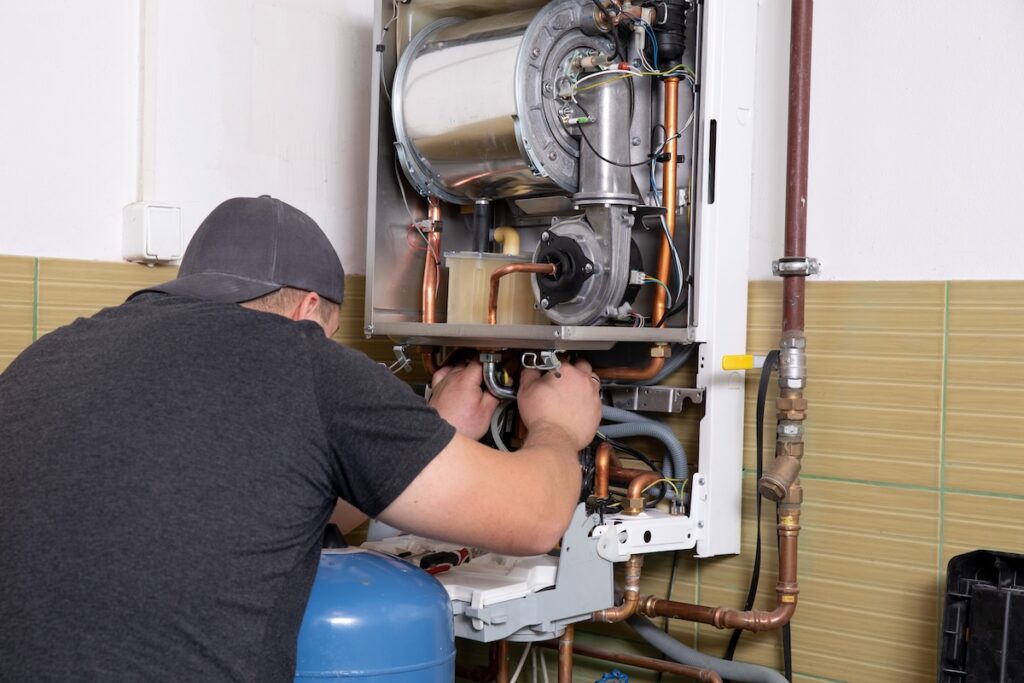
1. Inspect and Clean the Heat Exchanger
The heat exchanger transfers heat from the burner to the water in your boiler. Over time, soot and mineral deposits can build up, reducing efficiency and increasing the risk of overheating.
- Remove buildup: Cleaning the heat exchanger allows for better heat transfer and lower energy consumption.
- Check for cracks: Even small fractures can leak dangerous combustion gases.
- Professional inspection: Technicians use specialized tools to safely access and clean this critical component.
A clean, well-maintained heat exchanger ensures your boiler operates at peak performance throughout the heating season.
2. Test the Pressure Relief Valve
Your boiler’s pressure relief valve is a vital safety feature. It releases excess pressure to prevent damage or explosions if pressure levels rise too high.
- Visual inspection: Check for signs of corrosion or leaks around the valve.
- Function test: Carefully lift the test lever to confirm it releases water as expected.
- Replace if necessary: A malfunctioning valve should be replaced immediately to maintain system safety.
In cold climates like St. Louis Park and surrounding areas, consistent system pressure is essential to prevent failures during heavy winter use.
3. Flush the Boiler System
Over time, sludge, rust, and mineral buildup can accumulate inside your boiler and pipes. Flushing removes this debris to keep water flowing freely and efficiently.
- Drain the system: Water is released to remove sediment and contaminants.
- Refill and bleed air: Once flushed, the system is refilled and air pockets are eliminated.
- Add corrosion inhibitor: Prevents rust from forming inside the boiler and extending its life.
This step improves heat distribution and prevents damage caused by restricted water flow.
4. Check the Expansion Tank
The expansion tank helps maintain consistent pressure by absorbing excess water as it heats and expands. A faulty tank can lead to fluctuating pressure and poor performance.
- Inspect for leaks: Look for water around the tank or fittings.
- Tap test: A healthy tank sounds hollow on top and solid at the bottom.
- Adjust or replace: If pressure levels are off, the tank may need recharging or replacement.
A properly functioning expansion tank prevents system strain and ensures steady, even heating.
5. Examine and Clean Burners
Burners are the heart of your boiler—they ignite the fuel that heats your home. Dirt or debris on the burners can reduce combustion efficiency and create dangerous conditions.
- Visual check: Inspect the flame color—blue indicates proper combustion, while yellow or orange suggests buildup or improper airflow.
- Remove debris: Clean burners improve fuel efficiency and reduce emissions.
- Check gas pressure: Technicians ensure the correct amount of fuel is delivered for optimal performance.
Clean, well-tuned burners keep your boiler heating safely and efficiently.
6. Inspect the Thermostat and Controls
Your thermostat and control system regulate temperature and efficiency. A miscalibrated thermostat can cause your boiler to cycle too often or not enough, wasting energy and reducing comfort.
- Calibration check: Ensure temperature readings match the actual room temperature.
- Test settings: Verify that the boiler responds correctly to thermostat adjustments.
- Upgrade option: Consider installing a programmable or smart thermostat for better control and energy savings.
Accurate controls help maintain consistent warmth throughout your St. Louis Park home while minimizing energy waste.
7. Perform a Full System Safety Check
Finally, a comprehensive safety inspection ensures your boiler system is running properly and securely.
- Carbon monoxide testing: Detects any leaks from the combustion system.
- Vent and flue inspection: Confirms safe exhaust of combustion gases outside the home.
- Electrical connections: Checks for loose wires or corroded terminals that could cause malfunctions.
- Pilot light and ignition: Ensures reliable and safe operation during daily use.
This final step is essential for both performance and peace of mind through Minnesota’s cold winter months.
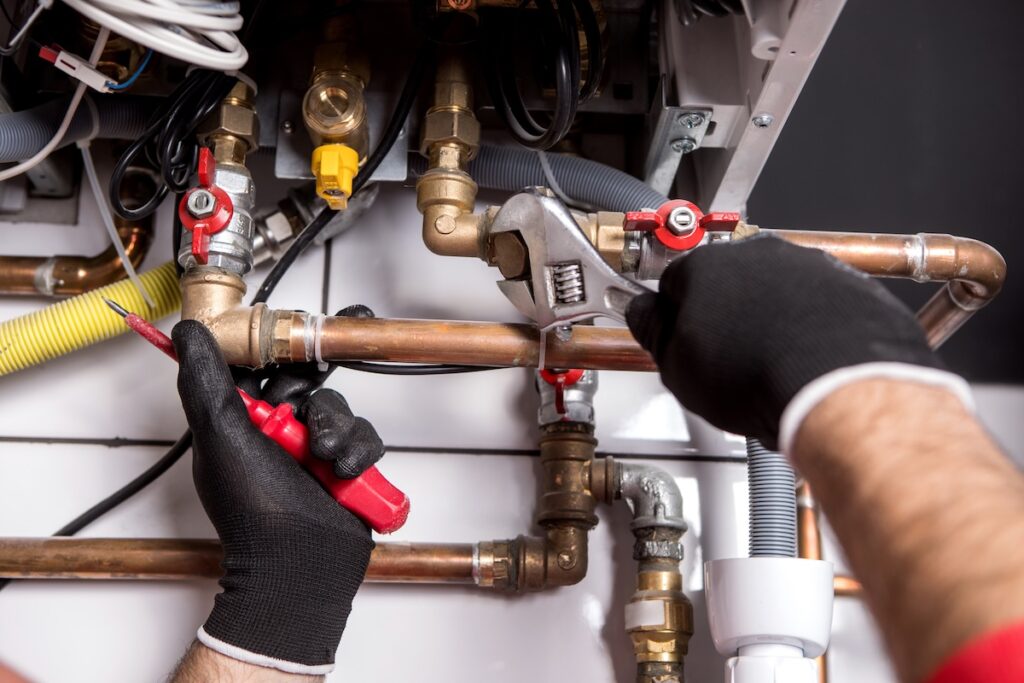
Additional Boiler Maintenance Tips
Beyond the main tune-up checklist, a few simple habits can help keep your boiler in great shape between professional visits.
- Monitor pressure regularly: Check your boiler’s gauge to ensure it stays within the manufacturer’s recommended range.
- Listen for noises: Banging or gurgling sounds may indicate air or mineral buildup in the system.
- Insulate pipes: Keeps water hot and prevents freezing in unheated areas.
- Schedule annual service: A yearly professional tune-up is the best way to maintain efficiency and longevity.
Consistent care helps prevent unexpected repairs and keeps your heating system running strong.
Common Signs Your Boiler Needs Service
Even with regular maintenance, your boiler may show signs of trouble. Watch for these red flags indicating it’s time to call for a professional inspection.
- Uneven heating: Some rooms feel colder than others.
- Higher energy bills: A struggling boiler uses more fuel to produce the same amount of heat.
- Water leaks: Puddles or drips near the boiler could indicate a failing valve or seal.
- Unusual odors: A sulfur or metallic smell may suggest a gas or combustion issue.
- Frequent cycling: Rapid on-and-off cycles often mean pressure or thermostat problems.
If you notice any of these symptoms, contact Genz-Ryan immediately for prompt service and repair.
Why a Professional Boiler Tune Up Is Worth It
While some maintenance tasks, like monitoring pressure or checking for leaks, can be done by homeowners, a full professional tune-up provides benefits only expert technicians can deliver.
- Comprehensive testing: Professionals use advanced tools to measure combustion efficiency and detect leaks.
- Accurate adjustments: Technicians calibrate gas flow, ignition timing, and controls for optimal performance.
- Warranty protection: Many manufacturers require annual professional service to maintain warranty coverage.
- Safety assurance: Licensed experts ensure compliance with local safety and code requirements.
For homeowners in St. Louis Park and surrounding areas, hiring a professional means peace of mind, knowing your system is prepared for the harsh Minnesota winter.
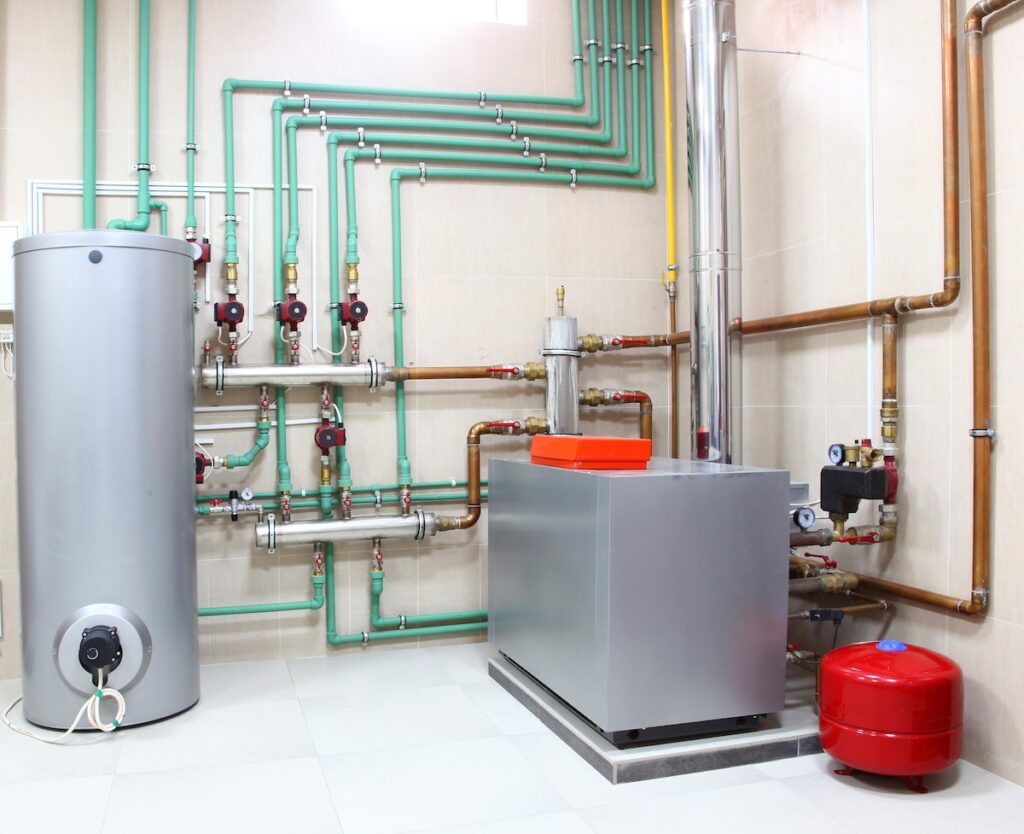
Get Ready for Winter with Genz-Ryan
Your boiler is one of the hardest-working systems in your home, and preparing it before winter ensures it performs safely and efficiently when you need it most. A thorough boiler tune up from Genz-Ryan checks every component, optimizes energy use, and extends the lifespan of your heating system.
Whether you need a seasonal inspection, system repair, or full replacement, our certified technicians provide expert service throughout St. Louis Park and surrounding areas.
Stay comfortable and worry-free this winter—contact Genz-Ryan today to schedule your boiler tune up or request a free quote.
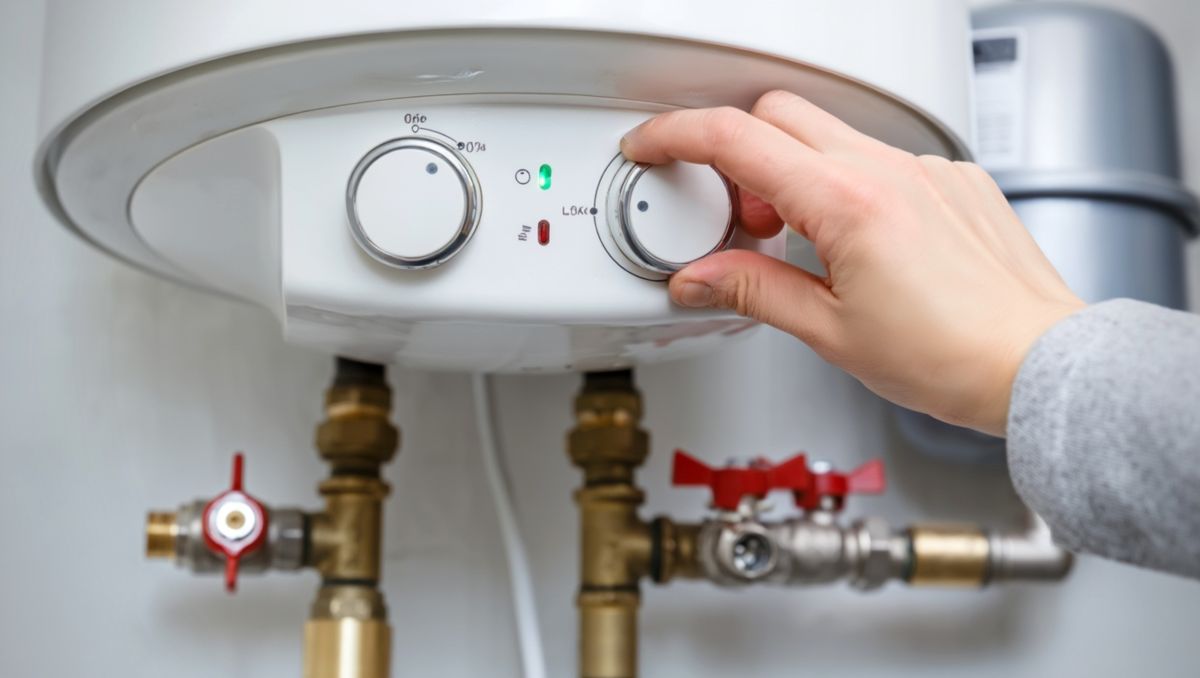

The Genz-Ryan Difference
Experience the trusted service, expert workmanship, and customer-first care that have made Genz-Ryan a Twin Cities favorite since 1950.