We are Open 24/7!




4.7
Google Rating
Can a Heat Pump Really Handle Minnesota’s Brutal Winter? What Twin Cities Homeowners Should Know



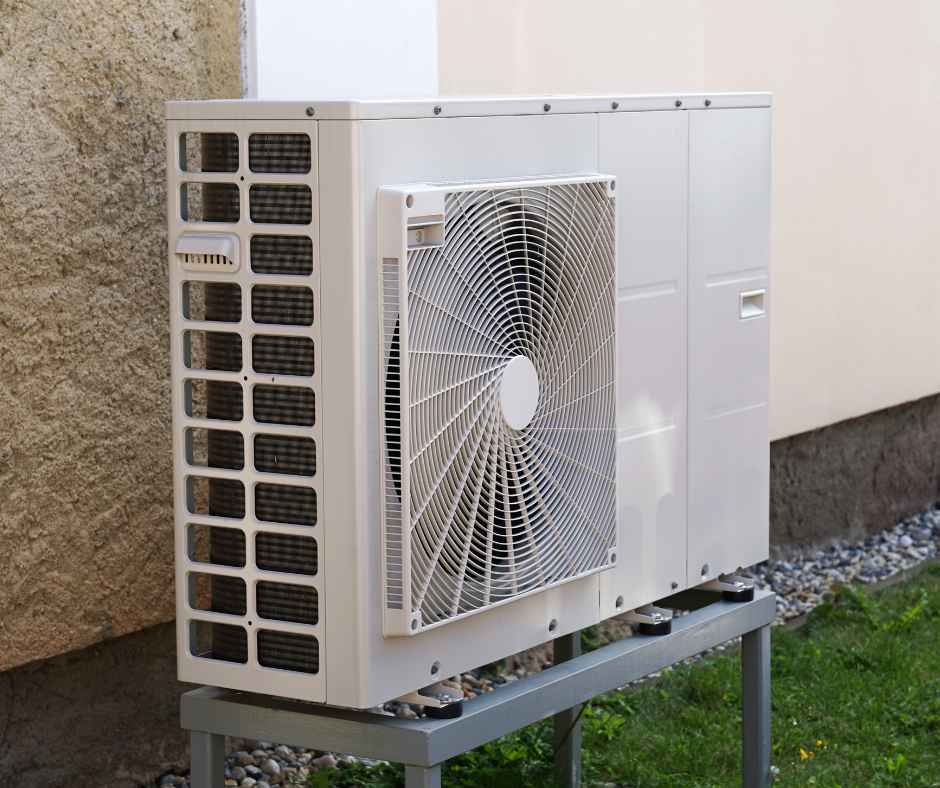
When winter temperatures plunge below zero across Minneapolis, St. Paul, and the surrounding Twin Cities, homeowners depend on reliable heating to stay comfortable. If you’ve considered installing a heat pump, you might wonder whether a system that transfers heat from outdoor air can actually keep your home warm during Minnesota’s harshest weather.
Modern cold-climate heat pumps have advanced significantly, making them a practical heating option for many northern homes. However, performance depends on the equipment, installation, outdoor temperature, and access to supplemental heat.
In this guide, we’ll explain how heat pumps operate during Minnesota winters, what happens when temperatures fall below zero, and what Twin Cities homeowners should consider before investing in a cold-climate heating system.
How Do Heat Pumps Work When It’s Freezing Outside?
One of the biggest misconceptions about heat pumps is that they cannot produce warmth when outdoor temperatures fall below freezing. However, even extremely cold air contains thermal energy that a properly designed heat pump can extract.
Unlike traditional furnaces that generate heat through fuel combustion or electric resistance, heat pumps transfer existing heat from one location to another. During winter, an air-source heat pump absorbs thermal energy from outdoor air and moves it inside your home.
This process uses refrigerant, a compressor, and heat exchangers to transfer heat efficiently. During summer, the system reverses operation to remove heat from your home, providing air conditioning.
Although heat pumps can operate in freezing temperatures, colder conditions make extracting heat more challenging. As outdoor temperatures decline, heating capacity and efficiency may decrease depending on the equipment.
This is why selecting a heat pump specifically designed for Minnesota’s climate is so important.
What’s Different About a Cold-Climate Heat Pump?
Not all heat pumps deliver the same performance in extreme cold. Cold-climate heat pumps use technology designed to maintain higher heating capacity and efficiency at lower outdoor temperatures.
Many models use variable-speed compressors that adjust operation based on heating demand. This lets the system respond more precisely to changing conditions rather than running at a single fixed output.
Cold-climate equipment may also include advanced refrigerant controls, improved heat exchangers, and sophisticated defrost systems.
These features help the equipment operate effectively when temperatures fall well below freezing.
Important characteristics of cold-climate heat pumps include:
- Variable-speed compressors: Adjust heating output to match changing household needs.
- Cold-weather performance: Designed to maintain useful heating capacity at lower temperatures.
- Advanced controls: Help regulate operation as outdoor conditions change.
- Defrost technology: Removes frost that can accumulate on outdoor coils.
- Heating and cooling capabilities: Provides year-round temperature control.
However, the term “cold-climate” doesn’t guarantee identical performance across different models. Homeowners should compare manufacturer specifications and verified heating capacity at relevant outdoor temperatures.
A professional HVAC evaluation can help determine which equipment best fits your home’s heating needs.
How Cold Is Too Cold for a Heat Pump in Minnesota?
Modern cold-climate heat pumps can operate at temperatures that would have challenged many older systems. Some models are designed to operate at about -13°F or lower, while other equipment has operating specifications that extend into even colder conditions.
However, a heat pump’s minimum operating temperature differs from its ability to heat an entire home. A system may continue running at -13°F without producing enough heat to meet the building’s full heating demand. As outdoor temperatures fall, your home generally loses heat more quickly. At the same time, an air-source heat pump’s available heating capacity may decrease.
For example, a system that comfortably heats a Twin Cities home at 25°F may need supplemental heating when temperatures drop well below zero.
The exact temperature at which additional heating becomes necessary depends on several factors:
- The heat pump’s rated heating capacity.
- The home’s size and insulation.
- Air leakage and overall heat loss.
- Outdoor temperature and wind conditions.
- The system’s installation and configuration.
- Available supplemental heating equipment.
A professional heating load calculation helps determine how much heat your home needs during Minnesota’s winter design conditions.
Rather than focusing exclusively on the lowest advertised operating temperature, homeowners should consider whether the complete heating system can maintain comfortable indoor temperatures throughout winter.
Why Do Many Minnesota Homes Still Need Backup Heating?
Even with modern cold-climate technology, supplemental heating remains an important consideration for many Minnesota homes. Backup systems provide extra heating capacity when outdoor conditions exceed what the heat pump can handle on its own.
One common option is a dual-fuel heating system. This arrangement combines an electric heat pump with a compatible gas furnace.
During milder winter conditions, the heat pump can provide heating. When temperatures fall below a selected operating or economic balance point, the system can transition to furnace heating.
Other installations may use electric resistance heating to supplement the heat pump when necessary.
Common supplemental heating arrangements include:
- Dual-fuel systems: Combine an electric heat pump with a gas furnace.
- Electric resistance backup: Provides additional heat when the heat pump’s capacity is insufficient.
- Compatible existing heating equipment: May remain available as part of an appropriately designed system.
Backup heating doesn’t mean the heat pump is unreliable or has failed. Instead, it can be an intentional part of a heating strategy designed for extreme weather.
For Twin Cities homeowners with existing natural gas furnaces, a dual-fuel configuration may let you incorporate heat pump technology without eliminating furnace heating.
A qualified HVAC professional can evaluate equipment compatibility and recommend an appropriate system design.
Are Heat Pumps More Efficient Than Furnaces During Winter?
Heat pumps can offer substantial energy-efficiency benefits because they move heat rather than generate it entirely from electricity. However, efficiency and operating costs are two different considerations.
Heat pump efficiency is commonly expressed using a coefficient of performance, or COP. This measurement compares the amount of heating energy delivered with the electrical energy consumed.
For example, a heat pump operating at a COP of 2 delivers approximately two units of heating energy for every unit of electrical energy it uses. By comparison, electric resistance heating delivers approximately one unit of heat for each unit of electricity consumed.
However, a heat pump’s COP generally decreases as outdoor temperatures fall. The system must work harder to extract and transfer heat from increasingly cold air.
When comparing heat pumps with natural gas furnaces, homeowners should also consider local utility rates. A heat pump may deliver more useful heat per unit of energy consumed while still costing more to operate under certain electricity and natural gas pricing conditions.
Actual heating costs depend on equipment efficiency, outdoor temperatures, household demand, and utility prices.
For Minnesota homeowners, evaluating both energy performance and expected operating expenses provides a more complete picture than comparing efficiency ratings alone.
What Determines Whether a Heat Pump Will Work in Your Twin Cities Home?
A cold-climate heat pump’s performance depends on more than the equipment itself. The home’s heating requirements and installation quality play equally important roles.
Before recommending a system, an HVAC professional should evaluate the property’s heating load and existing equipment.
Several factors influence heat pump suitability.
Home Insulation and Air Sealing
Homes with inadequate insulation or significant air leakage lose heat more quickly. Improving these conditions can reduce heating demand and help maintain more consistent indoor temperatures.
Heating System Sizing
An undersized heat pump may struggle in extreme cold, while an oversized unit can create other performance issues. Accurate load calculations help determine appropriate equipment capacity.
Existing Ductwork
Ducted heat pumps may use existing air distribution systems, but you must evaluate the ductwork for compatibility, airflow, and condition.
Outdoor Equipment Placement
Outdoor units need appropriate clearance for airflow, drainage, and winter weather conditions. Placement should account for snow accumulation and potential ice buildup.
Backup Heating Requirements
The system should be designed to maintain adequate heating during extreme temperatures, whether through dual-fuel operation or another suitable supplemental heating arrangement.
A professional assessment helps determine whether a heat pump can meet your home’s needs on its own under certain conditions or should run alongside another heating source.
How Can You Keep a Heat Pump Running Efficiently During Minnesota Winters?
Proper maintenance is essential for dependable heat pump operation, particularly during periods of heavy winter demand. A few routine precautions can help reduce unnecessary strain on the system.
Start by keeping the outdoor unit clear of heavy snow. Snowdrifts and blocked airflow can interfere with heating performance.
However, homeowners should avoid using sharp tools to remove ice or chipping frozen buildup from equipment components.
Other helpful maintenance practices include:
- Replace or clean air filters according to manufacturer instructions.
- Keep outdoor equipment clear of excessive snow and debris.
- Maintain appropriate clearance around the outdoor unit.
- Avoid covering the equipment during winter.
- Follow recommended thermostat settings.
- Schedule professional maintenance before peak heating season.
Temporary defrost cycles are normal for many heat pumps. During these cycles, the system removes frost from the outdoor coil to keep operating efficiently. However, persistent heavy ice buildup, unusual noises, or declining heating performance may indicate a problem requiring professional attention.
Explore Cold-Climate Heat Pump Options With Genz-Ryan
Minnesota’s brutal winters don’t automatically rule out heat pump technology. Modern cold-climate systems can provide substantial heating during freezing and even subzero conditions, although proper sizing and supplemental heating remain important considerations.
At Genz-Ryan, we help homeowners throughout Minneapolis, St. Paul, and the surrounding Twin Cities evaluate heating solutions for their homes. Whether you’re interested in a cold-climate heat pump, considering a dual-fuel system, or exploring alternatives to your existing furnace, professional guidance can help you understand your options.
The right heating solution depends on your home’s insulation, heating demand, existing equipment, and comfort expectations. Contact Genz-Ryan today to schedule a professional HVAC evaluation and learn whether a cold-climate heat pump could be a good fit for your Twin Cities home.

The Genz-Ryan Difference
Experience the trusted service, expert workmanship, and customer-first care that have made Genz-Ryan a Twin Cities favorite since 1950.