We are Open 24/7!




4.7
Google Rating
The Hidden Cost of Hard Water: Protecting Your Plumbing System in Minnesota



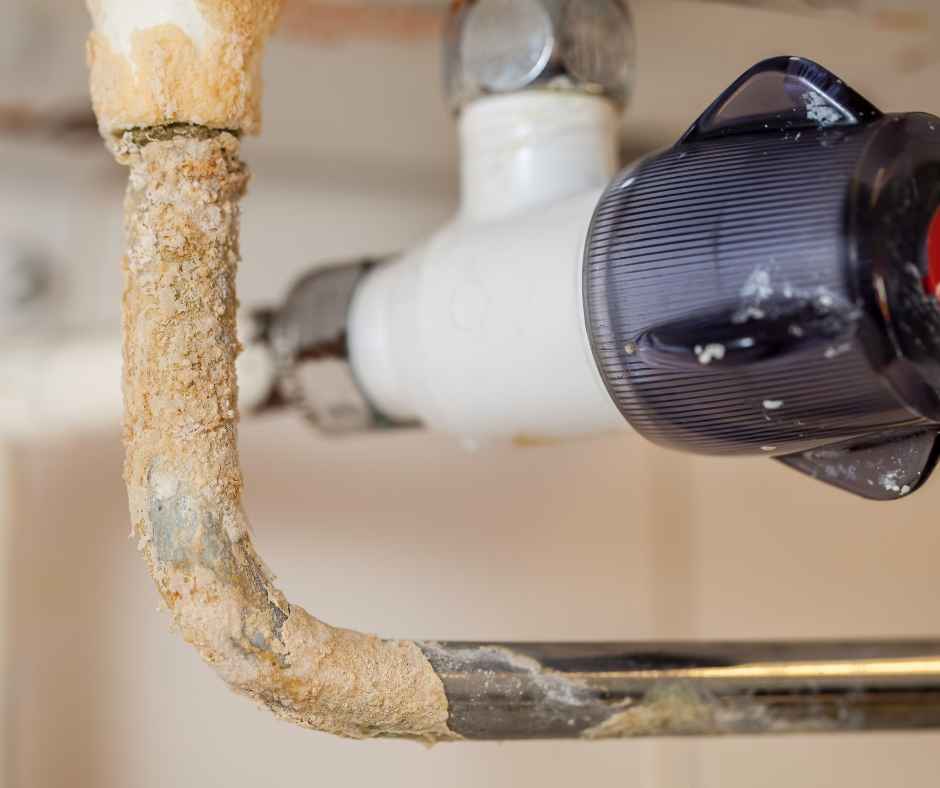
White scale on faucets and cloudy spots on glassware may seem like minor annoyances, but hard water can have a much broader impact throughout a home. Over time, dissolved minerals can contribute to buildup inside fixtures, water heaters, appliances, and other plumbing components.
For Minnesota homeowners, the real concern is not just what hard water leaves behind on visible surfaces. It is also the extra cleaning, maintenance, repairs, and equipment wear that can add up when mineral deposits are left unmanaged.
In this guide, we’ll explain how hard water affects plumbing systems, water heaters, appliances, and household maintenance costs. We’ll also cover how to recognize the signs, when testing makes sense, and how water treatment may help protect your home.
What Is Hard Water?
Hard water contains elevated levels of dissolved minerals, especially calcium and magnesium. These minerals naturally enter the water supply as water moves through soil and rock.
Hardness is not the same thing as contamination. Water can be considered hard while still meeting drinking-water standards, but the minerals can create scale as water is heated or evaporates.
That scale is what causes many of the problems homeowners associate with hard water.
What Are the Most Common Signs of Hard Water in a Home?
Hard water often leaves visible signs before it creates noticeable plumbing problems. If the same symptoms keep appearing throughout the home, mineral buildup may be playing a role.
Common signs include:
- White or chalky deposits on faucets
- Scale on showerheads
- Spots on glassware
- Soap residue
- Reduced flow from fixtures
- Frequent descaling
- Mineral buildup in appliances
- Popping or rumbling from the water heater
One symptom alone does not confirm hard water. Testing can help determine whether calcium and magnesium are present at levels that may justify treatment.
How Can Hard Water Affect Your Plumbing System?
Hard water can contribute to scale inside plumbing components over time. The buildup may collect around valves, fixture openings, aerators, showerheads, and other areas where water flow is restricted.
Potential effects include:
- Reduced fixture flow
- Stiff or difficult valves
- Mineral buildup around fittings
- Clogged aerators
- Scale inside plumbing components
- More frequent cleaning and maintenance
Hard water does not automatically mean your pipes will fail. However, repeated mineral accumulation can create ongoing maintenance issues and affect plumbing performance.
The impact also varies depending on water hardness, pipe materials, water temperature, and how much water the household uses.
Can Hard Water Damage Your Water Heater?
Hard water can contribute to sediment buildup inside traditional tank water heaters. As minerals settle to the bottom of the tank, they can create a layer of sediment that affects normal operation.
One common symptom is popping or rumbling during a heating cycle. Those sounds can happen when water becomes trapped beneath sediment and creates steam bubbles as it heats.
Heavy sediment may also contribute to:
- Reduced usable hot-water capacity
- Longer heating cycles
- Increased maintenance needs
- Greater stress on heating components
- Declining performance over time
Not every noisy water heater has a hard-water problem, so diagnosis still matters. Other mechanical issues can produce similar symptoms.
Can Hard Water Shorten the Life of Appliances?
Mineral buildup can affect many household appliances that regularly use water. The more scale that accumulates inside valves, heating elements, spray arms, and internal passages, the harder those components may have to work.
Water-using appliances that may be affected include:
- Dishwashers
- Washing machines
- Coffee makers
- Humidifiers
- Ice makers
- Water heaters
- Other equipment connected to the plumbing system
Hard water does not guarantee early appliance failure. It can, however, increase cleaning and maintenance needs while contributing to buildup inside components.
That means the cost of hard water may appear gradually rather than through one dramatic repair.
Why Can Hard Water Increase Household Maintenance Costs?
The hidden cost of hard water often comes from repetition. A little scale may not seem significant, but constantly cleaning fixtures, flushing equipment, replacing parts, and maintaining appliances can become expensive over time.
Hard water may contribute to added costs through:
- Fixture cleaning
- Descaling products
- Water heater maintenance
- Appliance cleaning
- Aerator replacement
- Plumbing service
- Component replacement
- Water treatment purchases
These costs may be spread across several years, which makes them easy to overlook. Looking at the entire household can give homeowners a better sense of how much hard water is affecting routine maintenance.
Can Hard Water Reduce Water Flow?
Yes, mineral buildup can reduce water flow in certain parts of the plumbing system. Scale can accumulate in narrow passages, aerators, valves, showerheads, and other components.
You may notice:
- Weak flow from one faucet
- Uneven shower pressure
- Clogged aerators
- Reduced flow from appliance connections
- Fixtures that need frequent cleaning
Low water pressure can have many causes besides hard water, including leaks, pressure-regulator problems, municipal supply issues, or pipe restrictions. A plumber can help determine whether scale is actually contributing to the problem.
Is Minnesota Water Hard Everywhere?
No. Water hardness can vary significantly depending on location, water source, treatment processes, and whether a home uses municipal water or a private well.
Two homes in different communities can have very different water conditions. Even within the same region, groundwater sources may contain different mineral levels.
Homeowners can start by:
- Reviewing local water-quality reports
- Asking the municipal water provider about hardness
- Testing household water
- Testing private well water
- Looking for recurring scale symptoms
Water testing is especially useful before investing in treatment equipment. It helps make sure the system you choose is actually addressing the water conditions in your home.
How Do You Know if You Need a Water Softener?
A water softener may be worth considering when testing confirms significant hardness and mineral scale is creating ongoing problems. Softeners are specifically designed to reduce calcium and magnesium, which are the main minerals responsible for hardness.
Signs that may support considering a softener include:
- Heavy scale around fixtures
- Constant mineral spotting
- Water heater sediment
- Repeated appliance descaling
- Poor soap performance
- Frequent mineral buildup
- Confirmed high hardness levels
A softener should not be selected based on appearance alone. Proper sizing and water testing help determine whether softening is appropriate and what type of system makes sense.
Is a Water Softener the Same as a Water Filter?
No. Water softeners and water filters serve different purposes, and confusing the two can lead to disappointing results.
A water softener primarily targets hardness minerals such as calcium and magnesium. A filtration system is usually designed to address specific contaminants, particles, tastes, odors, or other water-quality concerns depending on the filter media.
In simple terms:
- Softener: Reduces hardness minerals
- Sediment filter: Removes particles and debris
- Carbon filter: Can reduce certain tastes, odors, and chlorine-related concerns
- Specialized filtration: Targets specific water-quality issues
Some homes may benefit from both filtration and softening. The right setup depends on actual water conditions rather than one universal solution.
What Can Homeowners Do to Protect Their Plumbing From Hard Water?
The best approach is to identify the severity of the problem and stay ahead of buildup. Routine maintenance can help reduce some of the strain hard water places on fixtures and equipment.
Helpful steps may include:
- Test your water hardness
- Clean faucet aerators
- Descale showerheads
- Follow water heater maintenance recommendations
- Monitor appliances for mineral buildup
- Address recurring low-flow issues
- Consider a properly sized water softener
- Combine filtration and softening when multiple issues are present
Homeowners should also follow manufacturer guidance for water heaters and appliances. Maintenance requirements can vary depending on equipment type and water conditions.
When Should You Call a Plumber About Hard Water Problems?
Professional help makes sense when hard-water symptoms are becoming frequent, expensive, or difficult to manage. A plumber can evaluate whether the problem is actually mineral buildup and help determine which treatment options are appropriate.
Consider scheduling service when:
- Scale returns constantly
- Water heater sediment is recurring
- Fixtures lose flow
- Appliances require frequent descaling
- Plumbing components are wearing prematurely
- You are considering whole-home treatment
A professional evaluation can also identify other plumbing issues that may be mistaken for hard water.
Protect Your Plumbing With Genz-Ryan
Hard water may start with a few spots on glassware or scale around a faucet, but the long-term impact can reach much farther. Mineral buildup can contribute to water heater sediment, reduced fixture flow, appliance maintenance, and repeated plumbing costs.
Genz-Ryan can help evaluate your home’s water conditions, identify whether hard water is contributing to plumbing problems, and recommend treatment options based on your household needs. If mineral buildup is becoming a recurring issue in your Minnesota home, contact us today to schedule professional plumbing and water treatment service.

The Genz-Ryan Difference
Experience the trusted service, expert workmanship, and customer-first care that have made Genz-Ryan a Twin Cities favorite since 1950.