

Clogged drains are one of the most common plumbing problems homeowners deal with, and they usually start with small warning signs. At first, the bathroom sink drains a little slower than usual. Then the shower starts holding water around your feet. A few weeks later, the kitchen sink smells off, the toilet gurgles, or water starts backing up where it definitely should not be.
Most clogged drains do not happen overnight. They usually build up over time from everyday habits: hair in the shower, grease in the kitchen sink, food scraps, soap residue, and other debris that slowly narrows the inside of your pipes.
Redfin recently shared a helpful guide on the common causes of clogged drains, including insight from Genz-Ryan Heating, Cooling, Plumbing and Electrical on how everyday buildup can lead to plumbing issues over time. In this post, we’ll break down what causes clogged drains, what warning signs to watch for, what you can safely try at home, and when it is time to call a plumber.
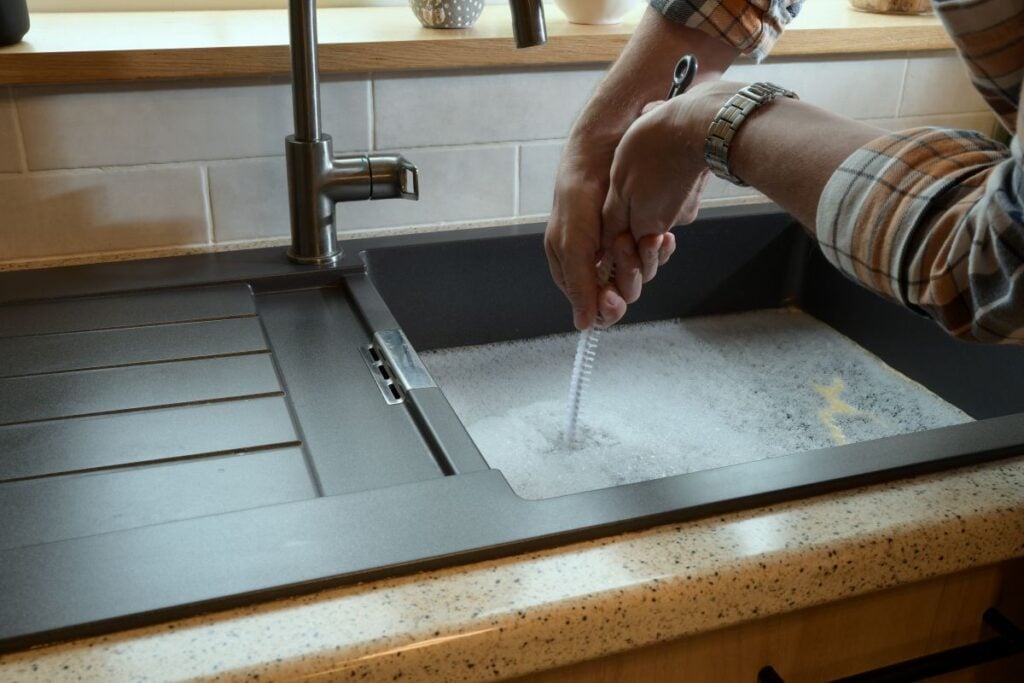
Why Do Drains Clog So Often?
Drains are designed to move water away from your home, but they are not designed to handle everything that gets sent down them.
Over time, small amounts of buildup can collect along the inside walls of your pipes. That buildup catches more debris, which creates a tighter and tighter passage for water to move through. Eventually, the drain slows down, starts to smell, or stops draining altogether.
Think of it like traffic on a highway. A little congestion may not seem like a big deal at first, but once enough cars pile up, everything comes to a stop.
The same thing can happen inside your plumbing system.
The Most Common Causes of Clogged Drains
1. Hair Buildup in Bathroom Drains
Hair is one of the biggest reasons bathroom drains clog, especially in showers, tubs, and bathroom sinks.
On its own, hair may pass through the drain. But when it mixes with soap, shaving cream, toothpaste, and other residue, it can form sticky clumps that catch on the inside of the drain. Over time, those clumps grow and slow the water down.
Common signs of hair buildup include:
- Water pooling around your feet during a shower
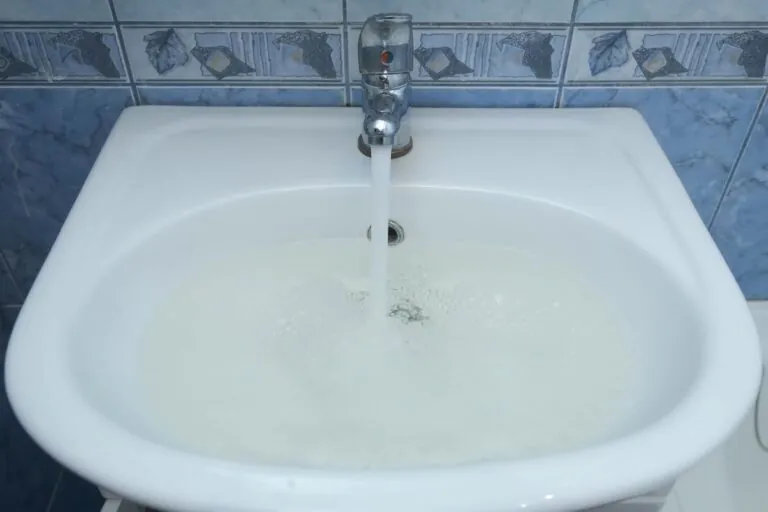
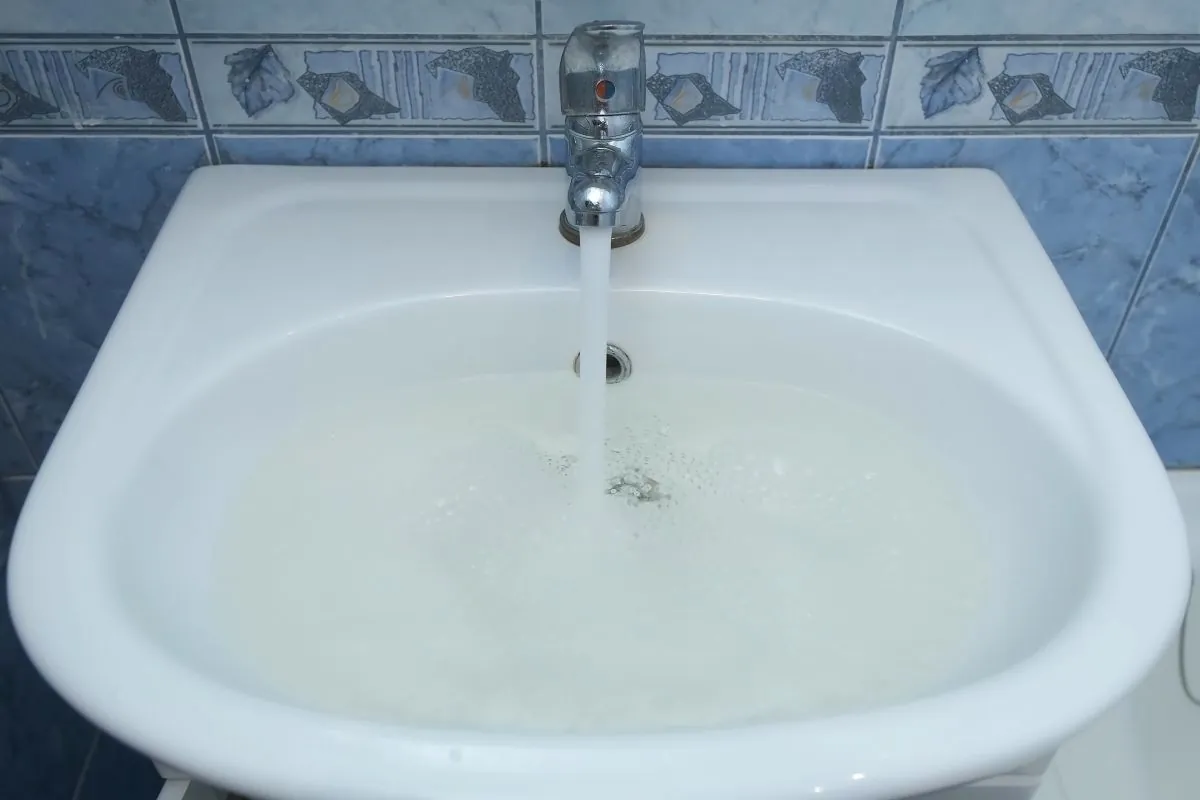
- A bathroom sink that drains slowly
- A tub that takes several minutes to empty
- Recurring clogs even after plunging
Prevention tip:
Use a drain screen or hair catcher in showers and tubs. Clean it regularly so hair does not continue slipping into the drain.
2. Grease, Fats, and Cooking Oils
Kitchen drains often clog because of grease and cooking oils.
Grease may look harmless when it is hot and liquid, but once it cools, it can harden inside your pipes. From there, it acts like glue. Food particles, soap, and other debris stick to it, creating a clog that gets worse over time.
This includes:
- Bacon grease
- Cooking oil
- Butter
- Gravy
- Sauces
- Meat fats
- Dairy-heavy liquids
Even if you run hot water afterward, grease can still cool farther down the line and stick to the pipe walls.
Prevention tip:
Pour grease into a disposable container, let it cool, and throw it in the trash. Wipe greasy pans with a paper towel before washing them.
3. Food Scraps in the Kitchen Sink
Even if you have a garbage disposal, not all food belongs down the kitchen drain.
Some foods expand, clump, or stick to the inside of pipes. Over time, they can create a blockage or make an existing clog worse.
Avoid putting these down the drain:
- Coffee grounds
- Rice
- Pasta
- Eggshells
- Potato peels
- Fibrous vegetables
- Oatmeal
- Flour
- Large amounts of leftovers
Garbage disposals can help break down small food particles, but they are not a replacement for the trash can.
Prevention tip:
Scrape plates into the trash before rinsing them. Use a kitchen sink strainer to catch food scraps.
4. Soap Scum and Residue
Soap residue is another common cause of bathroom drain clogs.
Traditional bar soaps can contain fats and oils that combine with minerals in water. This creates a sticky film known as soap scum. Over time, soap scum can build up inside pipes and catch hair, dirt, and other debris.
This is especially common in showers, tubs, and bathroom sinks.
Prevention tip:
Rinse drains with warm water after heavy use and clean visible buildup around stoppers, strainers, and drain covers.
5. Mineral Buildup from Hard Water
Hard water contains minerals like calcium and magnesium. Over time, those minerals can leave deposits inside fixtures, faucets, and pipes.
As minerals build up, they can reduce water flow and create rough surfaces where other debris can catch. This can make drains more likely to slow down or clog.
Signs that hard water may be contributing to plumbing issues include:
- White buildup around faucets or showerheads
- Spots on dishes and glassware
- Soap that does not lather well
- Dry-feeling skin after showers
- Recurring buildup around fixtures
Prevention tip:
If hard water is a consistent issue in your home, it may be worth asking about water treatment options.
6. ‘Flushable’ Wipes and Hygiene Products
One of the biggest plumbing misconceptions is that anything labeled “flushable” is safe for your plumbing system.
Many wipes do not break down like toilet paper. They can collect in pipes, catch on other debris, and create stubborn blockages.
You should avoid flushing:
- Wipes
- Paper towels
- Cotton swabs
- Cotton balls
- Feminine hygiene products
- Dental floss
- Diapers
- Facial tissues
Prevention tip:
Only flush toilet paper and human waste. Everything else should go in the trash.
7. Too Much Toilet Paper at Once
Toilet paper is designed to break down, but using too much at once can still create problems, especially in older plumbing systems or low-flow toilets.
If a toilet clogs frequently, the issue may be more than just toilet paper. There could be a partial blockage, venting issue, or another plumbing concern.
Prevention tip:
Use moderate amounts of toilet paper and flush more than once if needed.
8. Small Objects Accidentally Going Down the Drain
Small objects can accidentally fall into sinks, tubs, or toilets and cause immediate clogs.
Common examples include:
- Toothpaste caps
- Jewelry
- Kids’ toys
- Hair ties
- Cotton swabs
- Razor covers
- Small plastic items
These objects usually do not break down. Instead, they can lodge in the drain and catch other debris.
Prevention tip:
Keep bathroom counters clear and use drain covers where possible.
9. Dirt, Mud, and Debris
Dirt and debris can also contribute to clogs, especially in laundry sinks, utility sinks, and showers.
This can happen after:
- Yard work
- Home renovation projects
- Cleaning muddy shoes or tools
- Washing pets
- Rinsing paint supplies or construction debris
Dirt may seem like it should wash away, but enough sediment can settle inside pipes and restrict flow.
Prevention tip:
Shake off or wipe away dirt outside before rinsing items in a sink or tub.
10. Aging Pipes or Poor Drain Flow
Sometimes, the problem is not just what goes down the drain. It can also be the condition or setup of the plumbing itself.
Older pipes may have corrosion, rough interior surfaces, or buildup that makes clogs more likely. In some cases, improper pipe slope or aging drain lines can cause water and debris to move too slowly.
Warning signs may include:
- Multiple drains running slowly at the same time
- Recurring clogs in the same area
- Gurgling sounds from drains
- Water backing up into another fixture
- Bad odors coming from drains
If these issues keep happening, it is usually worth having the drain inspected.
Warning Signs You May Have Clogged Drains
A clog usually gives you clues before it becomes a full backup.
Watch for these signs:
- Slow Draining Water:
- This is the most common early warning sign. If water takes longer than usual to drain from a sink, tub, or shower, there may already be buildup inside the pipe.
- Gurgling Sounds:
- Gurgling can happen when air gets trapped in the plumbing system because water is struggling to move through the line.
- Bad Odors:
- A foul smell from a drain may point to trapped food, grease, bacteria, or other buildup.
- Water Backing Up:
- If water comes back up through a sink, tub, shower, or floor drain, the blockage may be more serious.
- Recurring Clogs:
- If you clear a drain and the clog keeps coming back, the underlying issue probably was not fully removed.
- Multiple Drains Acting Up:
- If more than one drain is slow at the same time, the problem may be deeper in the system.
Final Thoughts
A clogged drain may seem like a small inconvenience, but it can be a sign of a bigger plumbing issue if it keeps happening.
Most clogs start with everyday buildup: hair, grease, soap residue, food scraps, and other debris. The earlier you catch the warning signs, the easier it usually is to fix the problem before it turns into a messy backup.
If your drains are slow, smelly, gurgling, or backing up, Genz-Ryan can help you figure out what is going on and recommend the right next step.
Need help with a clogged or slow drain? Contact Genz-Ryan to schedule plumbing service today.
Why does my shower drain keep clogging?
The most common cause is hair mixed with soap residue. A drain screen can help, but if the clog keeps coming back, there may be buildup deeper in the drain.
Why does my kitchen sink smell bad?
Bad odors can come from trapped food, grease, bacteria, or buildup in the drain or garbage disposal. Cleaning the disposal may help, but recurring smells may need a professional inspection.
Is it okay to pour boiling water down the drain?
Be careful. Very hot water may help with light grease buildup, but boiling water can be risky for some pipe materials or fixture connections. Warm or hot tap water is usually safer.
Are chemical drain cleaners safe?
They can be harsh on plumbing and may not fully remove the clog. Repeated use is not recommended, especially if you have older pipes or recurring blockages.
Why do multiple drains clog at the same time?
If several drains are slow or backing up at once, the issue may be deeper in the plumbing system rather than isolated to one sink or shower.
Can a garbage disposal handle all food scraps?
No. Garbage disposals are helpful, but foods like coffee grounds, rice, pasta, potato peels, grease, and fibrous vegetables can still cause clogs.
How often should drains be cleaned?
It depends on the home, usage, and whether you have recurring issues. If drains slow down often or clogs keep returning, it may be worth scheduling professional drain maintenance.
What is the easiest way to prevent bathroom clogs?
Use hair catchers, clean drain covers regularly, and avoid letting hair, soap chunks, and hygiene products go down the drain.