We are Open 24/7!




4.7
Google Rating
Under Sink Plumbing: How to Stop Leaks Quickly in 7 Steps




Leaks beneath your sink can cause hidden water damage, warped cabinets, and mold growth before you even notice them. Understanding under sink plumbing and knowing how to act quickly can save you from expensive repairs. Whether you’re dealing with a slow drip or a sudden burst, homeowners in Maplewood and surrounding areas can take a few immediate steps to stop the water and prevent lasting damage.
Before diving into the exact steps, it’s important to understand why leaks occur in the first place:
- Loose fittings: Over time, water supply connections and drain joints can loosen.
- Worn-out seals: Gaskets or rubber washers deteriorate, allowing water to seep through.
- Corrosion or cracks: Aging metal or plastic pipes can weaken, leading to small leaks.
Let’s break down how to locate the problem and handle it safely before the professionals arrive.
Understanding Your Under Sink Plumbing System
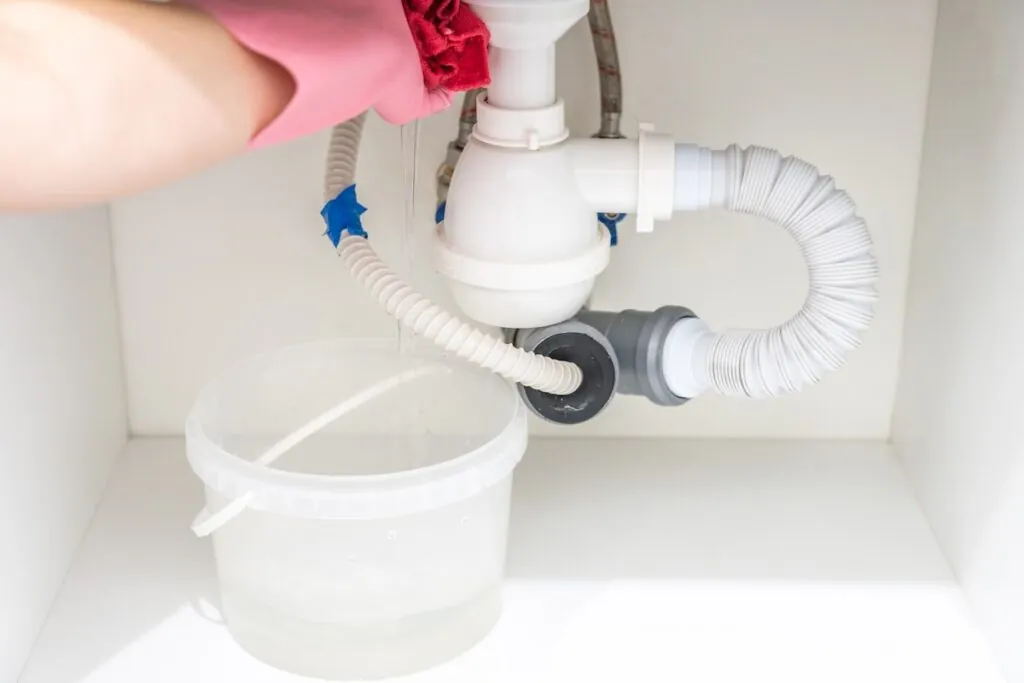
Before fixing a leak, it helps to know what’s under your sink. Most under sink plumbing setups include both supply and drainage lines—each with a specific purpose. The supply lines deliver hot and cold water from your home’s main water supply to the faucet. The drain assembly carries wastewater away through a system of pipes, traps, and seals.
The curved section of pipe (the P-trap) is particularly important. It holds a small amount of water that blocks sewer gases from entering your home while allowing wastewater to pass through. Leaks can happen anywhere along these connections, especially at threaded joints or points where metal meets plastic.
Knowing how each component works helps you identify where the leak is coming from and whether it’s something you can stop temporarily or if professional help is required.
7 Steps To Stop Under Sink Leaks Quickly
Small leaks can escalate fast, especially if water spreads into wood cabinets or flooring. Acting quickly and carefully can prevent structural damage while you wait for a licensed plumber to assess the issue. Follow these seven steps to contain the problem and reduce potential water damage.
1. Turn Off the Water Supply
The very first step is to stop the flow of water to prevent additional leaking.
- Locate shut-off valves: Usually found beneath the sink, connecting to the water supply lines.
- Turn clockwise: Tighten both the hot and cold valves until they are completely closed.
- If necessary, use the main shut-off: If the valves are stuck or broken, turn off your home’s main water supply.
Always verify that water has stopped running before continuing any inspection.
2. Clear the Area and Remove Stored Items
Under sink spaces often double as storage areas, which can hide leaks or make them worse. Removing clutter gives you room to inspect the plumbing safely.
- Take out cleaning supplies: Keep chemicals and items away from standing water.
- Dry the area: Use towels or rags to absorb any visible moisture.
- Protect your flooring: Lay down a bucket or plastic sheet to catch additional drips.
This step helps you see exactly where the leak is forming without unnecessary obstacles.
3. Identify the Source of the Leak
Finding the exact source of the leak is crucial for choosing the right fix.
- Run the faucet briefly: Observe where the water begins to appear.
- Check both supply and drain lines: Leaks can come from either.
- Look for corrosion or moisture trails: These often lead you straight to the problem.
Common leak points include connection joints, the P-trap, or the bottom of the faucet assembly.
4. Tighten Loose Connections
Many under sink leaks happen because fittings or nuts have loosened over time due to vibration or pressure changes.
- Use adjustable pliers: Gently tighten slip nuts or compression fittings—avoid over-tightening.
- Check for hand-tight connections first: Sometimes that’s enough to stop small drips.
- Wipe down and observe: Dry the area and watch for further leaking after tightening.
If the leak stops, monitor the area for a few hours to ensure the fix holds.
5. Replace Worn Washers or Gaskets
If tightening connections doesn’t help, the leak may be due to deteriorated washers or rubber gaskets.
- Shut off water completely: Always cut off the water before disassembling pipes.
- Inspect fittings: Remove the leaking section and look for flattened or cracked washers.
- Replace with identical parts: Take the damaged piece to a hardware store for matching replacements.
A simple washer swap can often restore a watertight seal without professional intervention.
6. Patch Temporary Cracks or Holes
If you find a crack or small hole in a pipe, you can apply a temporary fix until a plumber can replace the damaged section.
- Use plumber’s epoxy or waterproof tape: Both can seal small cracks temporarily.
- Dry the area first: Moisture prevents adhesives from sticking properly.
- Monitor pressure: Turn water back on slowly to check if the leak persists.
Keep in mind, these are short-term solutions—schedule professional repair or replacement as soon as possible.
7. Call a Licensed Plumber for Professional Repair
Even if your quick fix stops the leak temporarily, it’s best to have the system inspected by a professional plumber. Hidden corrosion or improper fittings can cause future problems.
- Provide details: Tell the technician where and when the leak started.
- Ask about permanent repairs: A plumber can replace damaged pipes or upgrade old materials.
- Consider preventative maintenance: Annual inspections can stop future leaks before they start.
When you choose Genz-Ryan, you’ll receive expert under sink plumbing service that restores safety, efficiency, and peace of mind.
Common Causes of Under Sink Leaks
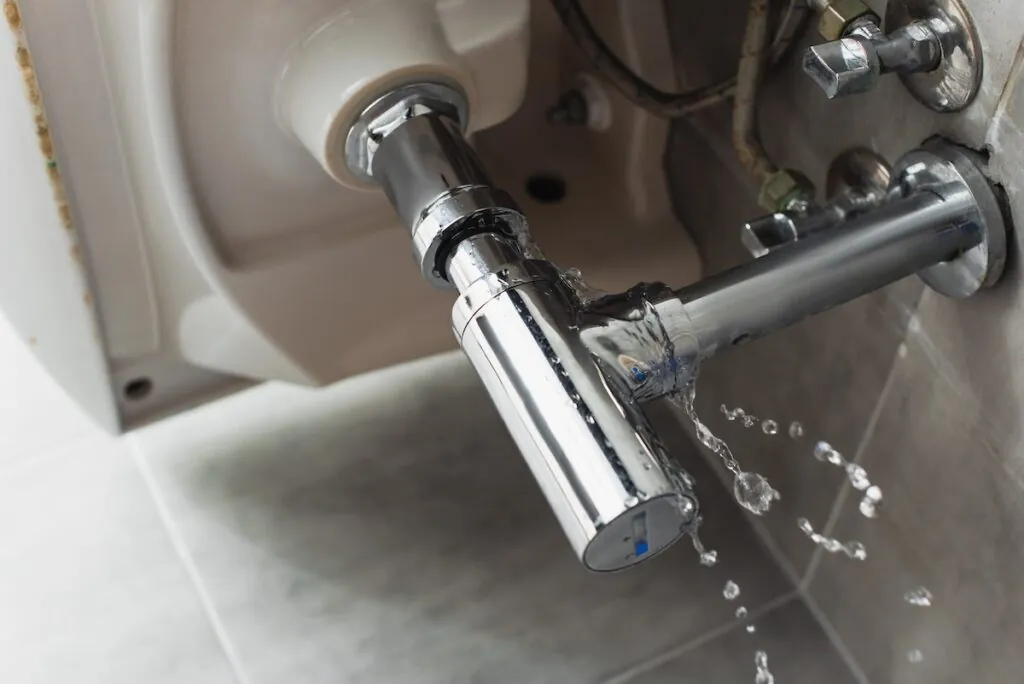
Knowing what causes under sink plumbing leaks helps you take preventive steps in the future. These issues can often be avoided with simple maintenance or early inspections.
- Loose joints or fittings: Movement and vibration gradually weaken threaded connections.
- Corrosion: Metal parts deteriorate over time, especially in humid environments.
- Clogged drains: Pressure buildup can force water through weak seals.
- Old seals or washers: Rubber components harden and crack after years of use.
- Improper installation: Poorly aligned pipes or overtightened fittings lead to stress points.
Catching small leaks early prevents bigger repairs later on.
How To Prevent Future Sink Leaks
Prevention is always easier and more affordable than cleanup. A few small habits can go a long way in protecting your under sink plumbing.
- Inspect monthly: Look under your sink for moisture or water stains.
- Avoid overloading cabinets: Excess weight can strain pipes and fittings.
- Replace seals periodically: Every few years, swap old gaskets and washers.
- Check for clogs: Use drain strainers to prevent debris from building up.
- Maintain ventilation: Keep the area dry to reduce corrosion and mold growth.
These steps can help you maintain a leak-free plumbing system year-round.
Why Quick Action Matters
Water damage happens fast, often spreading to flooring and subflooring before it’s visible. The sooner you address leaks, the less likely you’ll face mold growth or costly cabinetry repairs. Even small drips can cause damage over time if ignored.
Acting fast and calling a trusted plumbing company ensures the issue is handled safely and correctly the first time.
Trust Genz-Ryan for Reliable Under Sink Plumbing Service
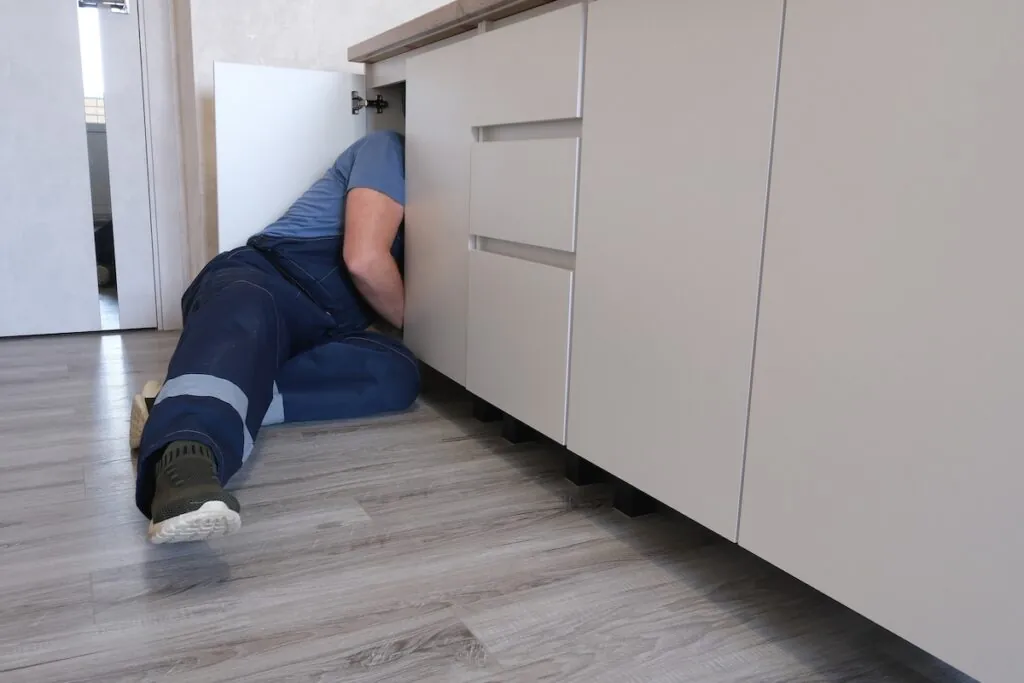
Your home’s plumbing deserves expert attention, especially when it comes to hidden leaks beneath the sink. At Genz-Ryan, our licensed technicians specialize in under sink plumbing repair, replacement, and maintenance for homeowners in Maplewood and surrounding areas.
We’ll identify the source of the problem, fix it right the first time, and help you prevent future issues with professional-grade materials and precision service.
Don’t let a small leak turn into a major headache, contact Genz-Ryan today to schedule your under sink plumbing service or request a free quote.

The Genz-Ryan Difference
Experience the trusted service, expert workmanship, and customer-first care that have made Genz-Ryan a Twin Cities favorite since 1950.