We are Open 24/7!




4.7
Google Rating
4 Factors That Impact a New Boiler System Cost in 2026



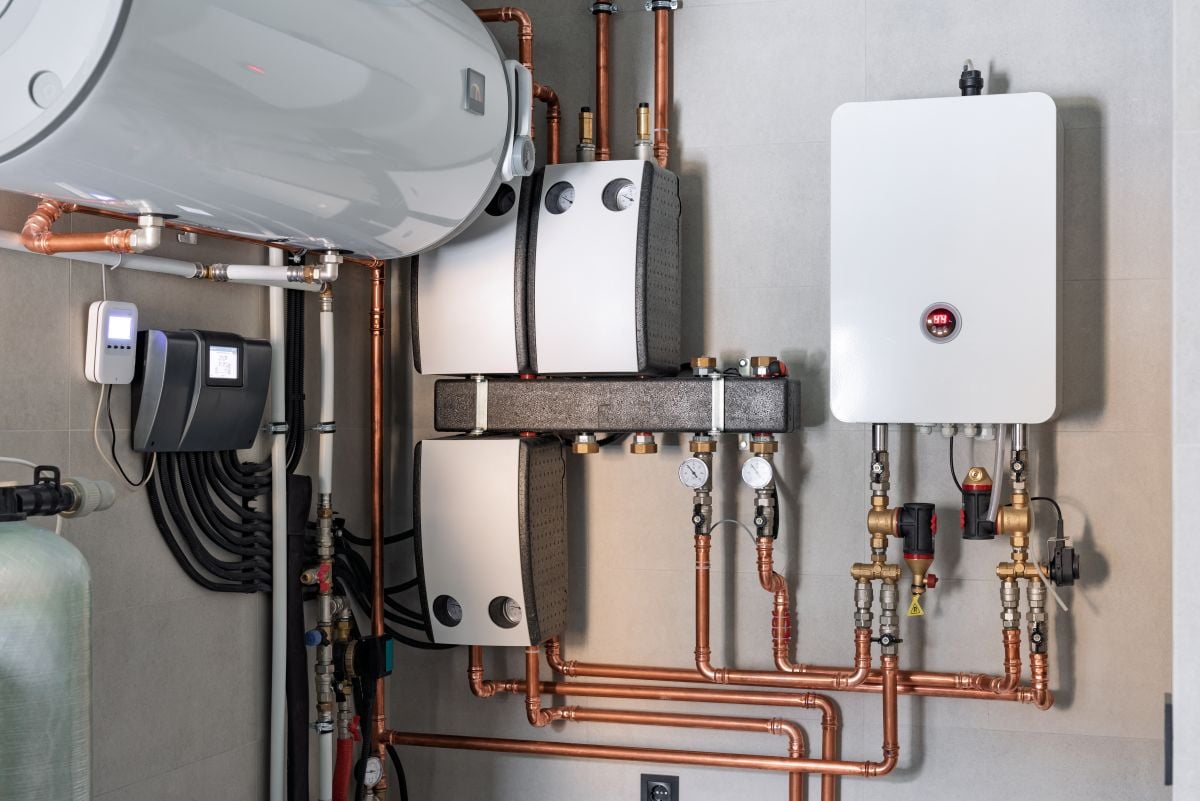
If you’re planning a home heating upgrade this year, understanding what affects your new boiler system cost is essential for budgeting and choosing the right setup. Boilers remain one of the most efficient and durable ways to heat homes in Lakeville and surrounding areas, but prices can vary significantly depending on your home’s layout, system type, and efficiency goals.
Before diving into the details, here’s why evaluating boiler costs carefully matters:
- Better budgeting: Knowing what influences price helps avoid surprises.
- Improved energy savings: Smart choices now lead to lower utility bills later.
- Long-term comfort: The right system size and type deliver consistent warmth year after year.
Let’s look at the key factors that affect how much you can expect to pay for a new boiler in 2026 and what you can do to maximize your investment.
Understanding the Basics of Boiler Systems
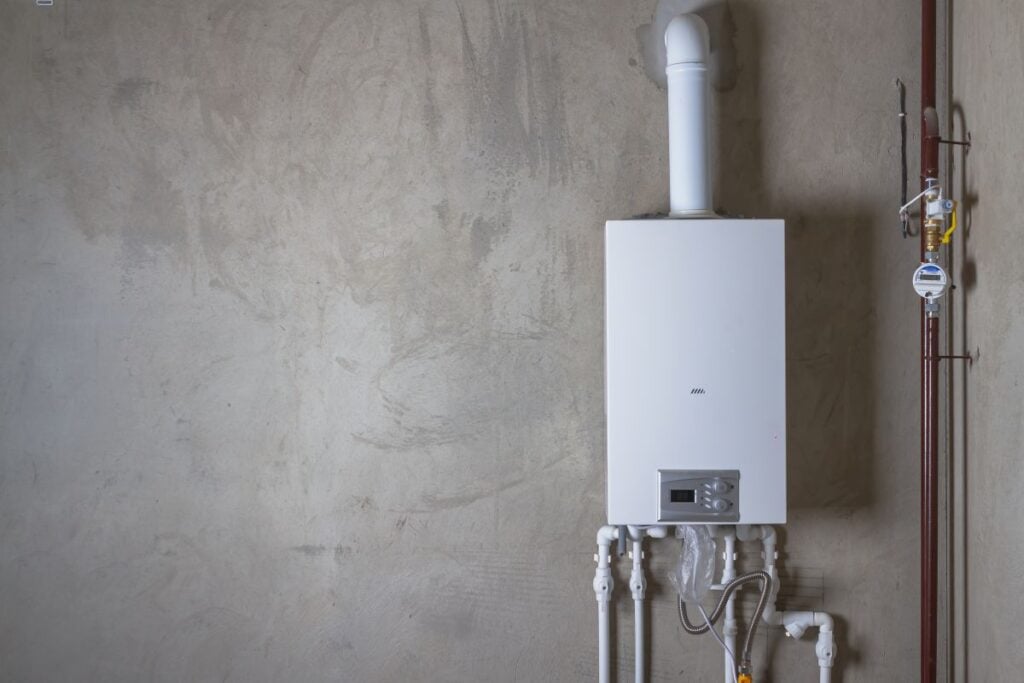
A boiler heats water to create either steam or hot water, which is then circulated through pipes and radiators to warm your home. Unlike forced-air systems that rely on ductwork, boilers use hydronic (water-based) heating, which provides even, consistent comfort.
Modern boilers come in several styles, gas, oil, and electric, and may include condensing technology to capture additional heat from exhaust gases. These systems offer exceptional efficiency and longevity when properly maintained.
The cost of installing a new boiler depends on several technical and structural details, as well as labor, permitting, and material costs.
4 Factors That Impact a New Boiler System Cost in 2026
Boiler replacement or installation isn’t a one-size-fits-all project. Your home’s unique characteristics and energy goals will determine the final price. Below are the four main factors that affect the total cost of your new boiler system.
1. Boiler Type and Efficiency Rating
The most significant factor in determining your new boiler system cost is the type of boiler you choose and its efficiency rating.
- Standard boilers: Typically less expensive upfront but less efficient long-term.
- Condensing boilers: Capture extra heat from exhaust gases, boosting efficiency up to 95%.
- Combi boilers: Combine heating and hot water functions in a single compact unit.
- Fuel source: Gas models are most common, while oil and electric boilers vary in price and efficiency.
While high-efficiency systems cost more initially, they often pay for themselves over time through reduced energy bills.
2. Home Size and Heating Demand
The size of your home and its insulation level play a big role in determining both the size and cost of your boiler.
- Boiler capacity: Larger homes need higher BTU (British Thermal Unit) systems to heat effectively.
- Energy loss: Drafty windows, poor insulation, and old radiators can increase energy demands.
- Zoning complexity: Multi-zone systems require additional pumps and controls, raising labor and equipment costs.
A professional heat load calculation ensures your system is properly sized for efficiency and comfort. Oversized or undersized boilers both waste energy and money.
3. Installation Complexity and Labor
Installation costs vary depending on whether you’re replacing an old unit or installing a completely new system.
- Replacement installations: Usually more affordable if existing plumbing and venting can be reused.
- New construction or conversion: More expensive because additional piping, pumps, or venting may be required.
- Accessibility: Tight or hard-to-reach spaces can increase labor time and costs.
- Permitting and inspection: Local codes and safety requirements can add to the total cost.
In Lakeville and surrounding areas, labor rates and permit fees can vary, so working with an experienced local contractor like Genz-Ryan ensures compliance and fair pricing.
4. Additional Upgrades and System Components
Your final new boiler system cost will also depend on optional upgrades and complementary components that improve performance and efficiency.
- Smart thermostats: Enhance comfort and save energy by learning your heating habits.
- Zoning systems: Allow individual temperature control for different areas of your home.
- Water treatment systems: Prevent scale buildup and corrosion for longer system life.
- High-efficiency pumps and valves: Improve circulation and reduce energy waste.
These upgrades may increase your upfront investment, but they also improve comfort, reduce energy consumption, and extend your system’s lifespan.
Average Boiler Installation Costs in 2026
While exact prices vary, here’s a general breakdown of what homeowners in Minnesota can expect to pay in 2026 for a new boiler installation:
| Type of Boiler | Average Cost (Installed) | Efficiency Range | Ideal For |
| Standard Gas Boiler | $5,000 – $8,500 | 80% – 85% | Moderate climates and smaller homes |
| Condensing Gas Boiler | $7,000 – $12,000 | 90% – 95% | Energy-conscious homeowners |
| Electric Boiler | $4,000 – $9,000 | 92% – 99% | Homes without gas access |
| Combi Boiler | $6,500 – $11,000 | 85% – 95% | Smaller homes needing combined water heating |
These figures include equipment, standard labor, and basic materials but can rise with custom upgrades or complex installations.
How Minnesota’s Climate Impacts Boiler Performance
Minnesota winters are long and cold, with extended periods below freezing that put extra demand on home heating systems. For homeowners in Lakeville and surrounding areas, efficiency and reliability are especially important when choosing a new boiler.
- Cold climate efficiency: Condensing boilers are ideal for Minnesota homes because they maintain efficiency even in freezing conditions.
- Durability: Components must withstand frequent use and temperature swings.
- Proper sizing: Undersized boilers struggle during extreme cold, while oversized systems cycle too often, wasting energy.
Because Minnesota’s winters are among the harshest in the U.S., investing in a high-quality, properly installed boiler system is essential for dependable comfort and safety.
How To Save on Boiler Installation Costs
While installing a new boiler is a major investment, there are ways to reduce expenses without compromising quality.
- Rebates and incentives: Check for federal or state energy-efficiency programs that offer rebates for high-efficiency boilers.
- Seasonal promotions: Scheduling installation in the off-season (spring or fall) can lower labor costs.
- Financing options: Many HVAC companies offer flexible payment plans to spread out costs.
- Preventive maintenance: Regular tune-ups extend system life and prevent costly repairs.
Working with a reputable company ensures you get transparent pricing and expert recommendations tailored to your home.
When To Replace an Old Boiler
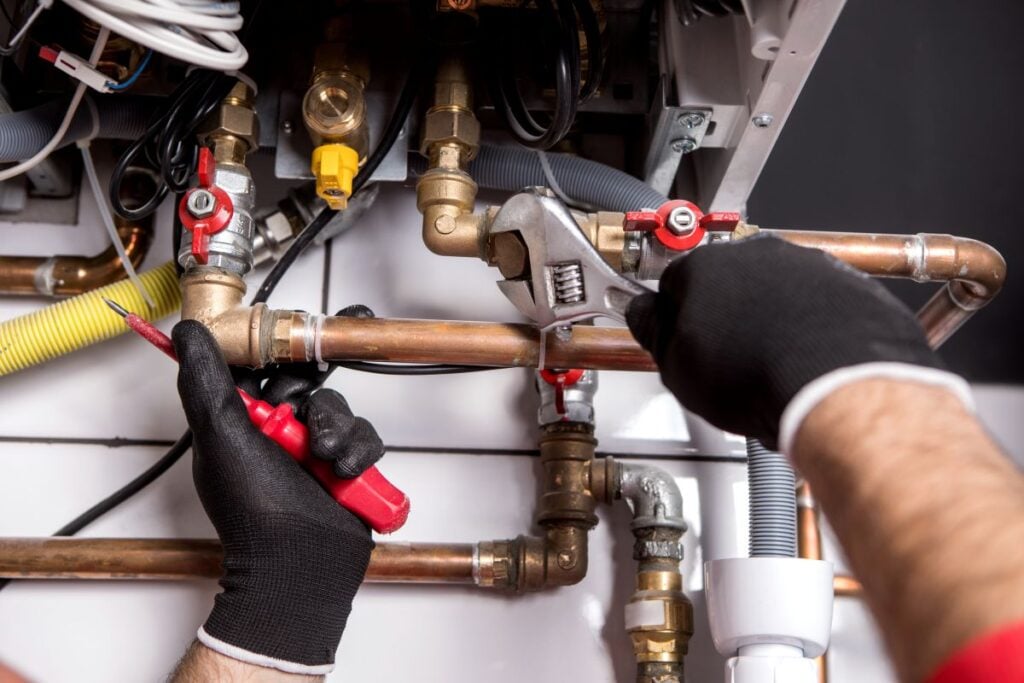
If your current boiler is more than 15 years old, you may be paying more for heating than necessary. Modern systems are up to 30% more efficient than older models, saving you money in the long run.
- Frequent repairs: Constant breakdowns indicate the system is wearing out.
- Inconsistent heating: Cold spots or fluctuating temperatures signal poor circulation.
- Rising utility bills: Efficiency losses over time increase energy costs.
- Noisy operation: Clanging or banging often means internal scale buildup.
Replacing your boiler before it fails ensures comfort through the next Minnesota winter and avoids emergency replacement costs.
Trust Genz-Ryan for Expert Boiler Installation
Whether you’re upgrading an old system or building a new home, Genz-Ryan makes it easy to understand every aspect of your new boiler system cost. Our licensed HVAC technicians help homeowners in Lakeville and surrounding areas choose the right model, size, and features for lasting efficiency and comfort.
We handle the entire process—from precise system design to professional installation—so you get dependable heating and long-term peace of mind.
Invest in your home’s comfort and efficiency today. Contact Genz-Ryan to schedule your boiler installation or request a free quote.

The Genz-Ryan Difference
Experience the trusted service, expert workmanship, and customer-first care that have made Genz-Ryan a Twin Cities favorite since 1950.