We are Open 24/7!




4.7
Google Rating
Not Sure If You Need a Boiler Replacement? 7 Signs & Tips



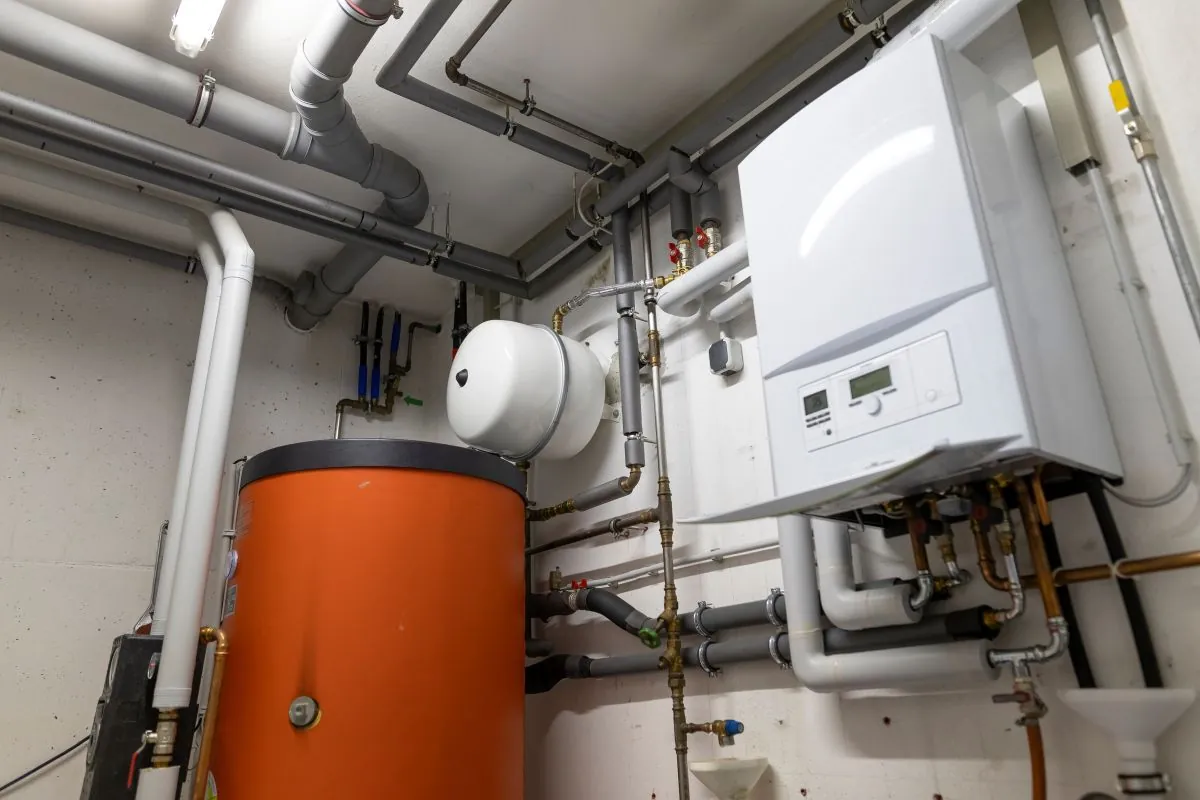
If your heating system isn’t performing like it used to, you might be wondering whether it’s time for a boiler replacement. Boilers are known for their durability, but like any appliance, they eventually wear out and lose efficiency. Knowing when to replace your system instead of repairing it can help you save money and avoid unexpected breakdowns. For homeowners in Richfield and surrounding areas, recognizing the signs early ensures your home stays warm and efficient all winter long.
Before reviewing the top warning signs, here’s why timely boiler replacement is important:
- Avoid emergency breakdowns: Old systems are more likely to fail during extreme cold.
- Improve efficiency: New boilers deliver the same comfort using less energy.
- Increase safety: Modern systems include better pressure and temperature controls.
Let’s explore the key indicators that your boiler might be nearing the end of its lifespan and what to do if replacement is your best option.
Understanding When Boilers Need Replacing
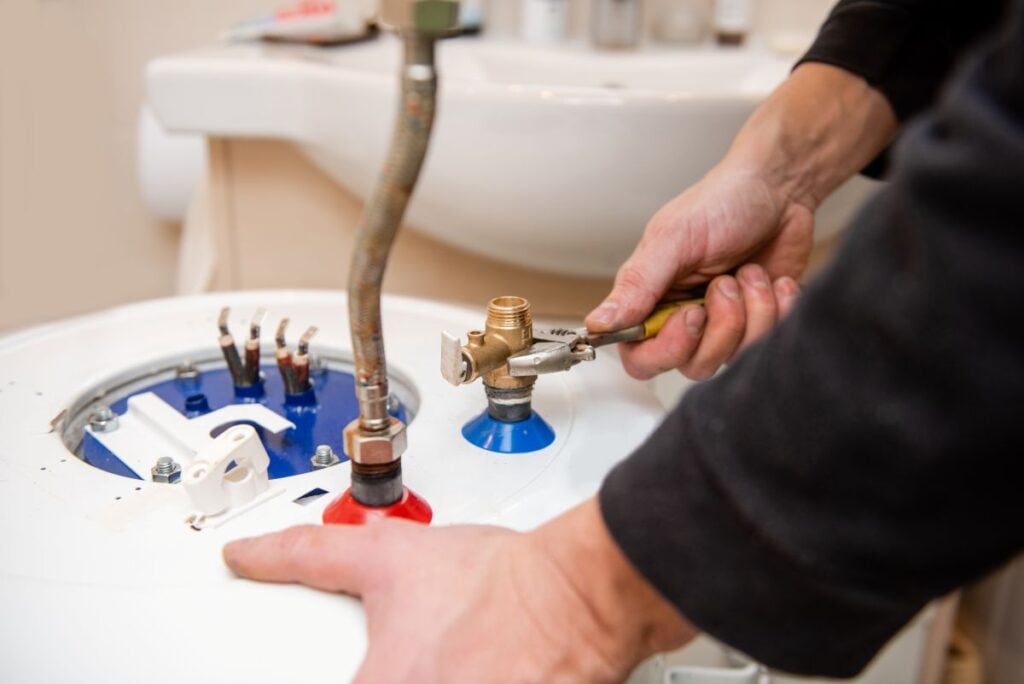
A well-maintained boiler can last 15 to 20 years, but efficiency declines gradually after the first decade. Over time, components like heat exchangers, valves, and circulator pumps wear down. This leads to uneven heating, rising energy bills, and more frequent repairs.
The decision between repair and replacement depends on your system’s age, condition, and overall performance. Paying attention to these details can help you make the most cost-effective choice.
7 Signs It’s Time for a Boiler Replacement
If you notice one or more of the following signs, it may be time to consider upgrading your heating system. These issues often appear gradually but can quickly lead to bigger problems if ignored.
1. Your Boiler Is Over 15 Years Old
Boilers are long-lasting, but once they reach the 15-year mark, their efficiency drops significantly.
- Wear and tear: Internal corrosion and scaling reduce performance.
- Outdated technology: Older units lack modern energy-saving features.
- Reduced parts availability: Repairs become more difficult and expensive.
If your boiler is nearing two decades old, a replacement is usually more cost-effective than continued repairs.
2. Rising Energy Bills Without Increased Usage
A steady rise in heating costs often indicates your boiler is using more energy to deliver the same comfort level.
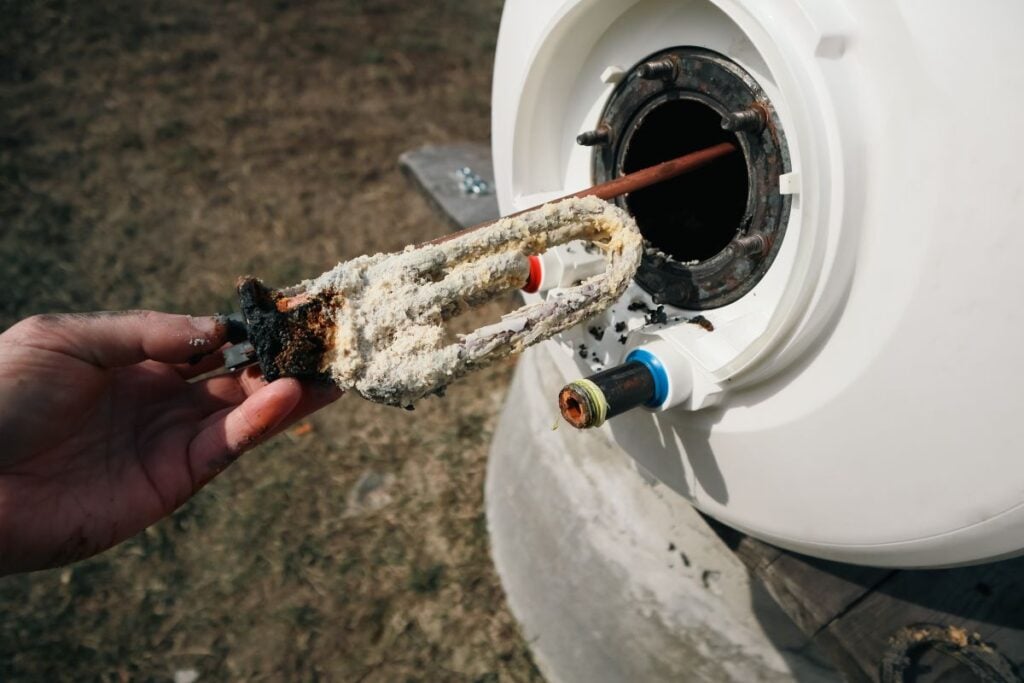
- Efficiency loss: Mineral buildup inside the heat exchanger reduces heat transfer.
- Inconsistent performance: The system runs longer cycles to maintain temperature.
- Possible fix: Annual maintenance can help, but old boilers rarely regain lost efficiency.
Upgrading to a high-efficiency model can cut heating costs by up to 30% over time.
3. Uneven Heating or Cold Spots
If some rooms stay colder than others, it’s often a circulation issue caused by a declining boiler pump or internal scaling.
- Unbalanced system: The boiler struggles to push water through all zones evenly.
- Temperature fluctuations: Warm air in one area, cool air in another.
- Common cause: Sediment buildup and worn components reduce water flow.
A new system ensures even heating throughout your home and more precise temperature control.
4. Frequent Repairs or Breakdowns
If you’re calling for boiler repairs multiple times per season, it’s time to consider replacement.
- Repair costs add up: Replacing one component often leads to another failing soon after.
- Parts scarcity: Older models use discontinued or expensive replacement parts.
- Downtime risk: Each repair increases the chance of complete system failure.
When repair costs exceed 30% of the price of a new boiler, replacement is typically the smarter financial move.
5. Strange Noises During Operation
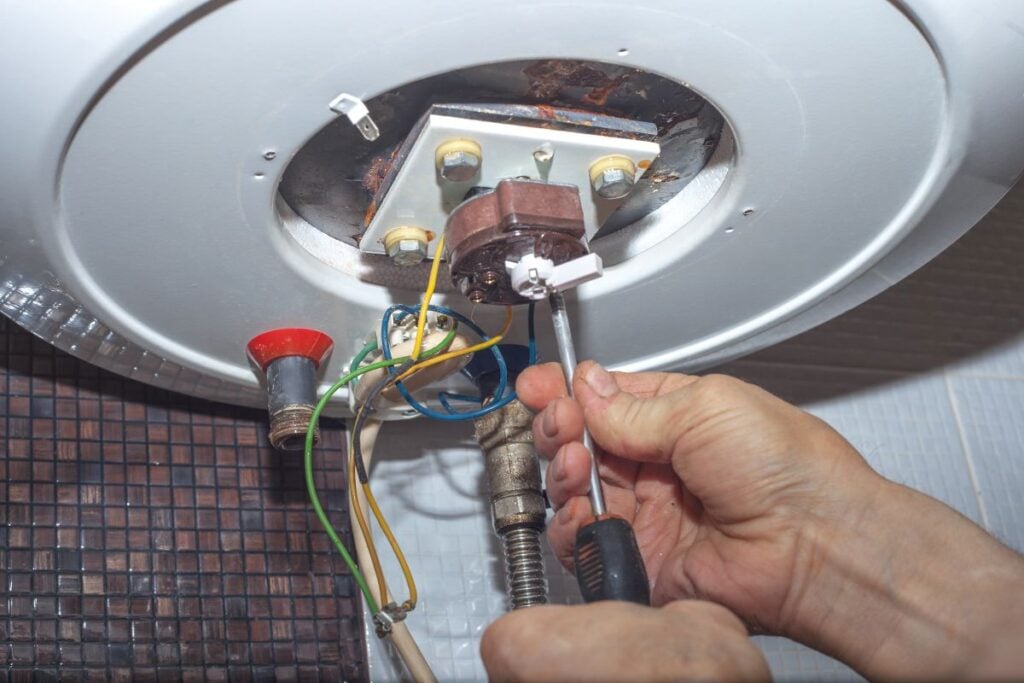
Boilers should run quietly. If yours makes banging, rumbling, or whistling noises, it may be warning you of internal problems.
- Kettling: Caused by scale buildup inside the heat exchanger.
- Air in the system: Leads to gurgling or popping sounds.
- Failing pump: Produces grinding or humming noises.
While some noises can be resolved with maintenance, recurring sounds usually indicate it’s time for an upgrade.
6. Visible Leaks or Corrosion
Any signs of moisture or rust around your boiler should be taken seriously.
- Corroded pipes: Weak spots can quickly lead to leaks or pressure loss.
- Mineral stains: Indicate small leaks that may worsen over time.
- Water damage risk: Even minor drips can damage flooring or drywall.
Leaks in the heat exchanger or main body of the boiler cannot be repaired safely and require full replacement.
7. Declining Comfort or Longer Heat Times
If your home takes longer to warm up or struggles to maintain consistent temperature, your boiler may not be performing efficiently.
- Slower heating: Indicates reduced circulation or declining output.
- Thermostat cycling: The system turns on and off more frequently than before.
- Low pressure: Causes weak heat distribution.
A new, properly sized boiler restores comfort and ensures consistent warmth throughout your home.
Why Timely Boiler Replacement Matters
Replacing your boiler before it fails completely offers several advantages for both comfort and cost savings.
- Prevents emergencies: Avoid sudden breakdowns in freezing temperatures.
- Improves energy efficiency: New systems use less fuel and reduce emissions.
- Enhances safety: Modern boilers include advanced pressure, venting, and temperature controls.
- Boosts home value: Buyers appreciate upgraded, efficient heating systems.
Waiting until a complete failure often means paying more for rushed installation or emergency service.
How Minnesota’s Climate Impacts Boiler Lifespan
Minnesota’s long, cold winters place extra stress on home heating systems. In Richfield and surrounding areas, boilers often run for six months or more each year, shortening their lifespan compared to milder climates.
- Constant use: Prolonged operation increases wear on pumps and valves.
- Fluctuating temperatures: Frequent freeze-thaw cycles cause expansion and contraction in metal parts.
- Mineral-rich water: Common in the region and can lead to scale buildup inside the heat exchanger.
Scheduling regular maintenance and replacing outdated equipment before peak winter can help you avoid mid-season breakdowns.
Tips for Choosing a New Boiler
Once you’ve decided on a boiler replacement, selecting the right model ensures maximum comfort and efficiency.
- Fuel type: Choose between gas, oil, or electric based on availability and cost.
- System type: Decide whether you need a standard, combi, or condensing boiler.
- Efficiency rating: Look for ENERGY STAR-certified models for long-term savings.
- Professional installation: Always hire licensed technicians for safety and code compliance.
Consulting with a trusted HVAC company like Genz-Ryan ensures your new system is properly sized and installed for Minnesota’s climate.
Trust Genz-Ryan for Expert Boiler Replacement
Your boiler is one of the hardest-working systems in your home, and replacing it at the right time can save you from costly emergencies and high energy bills. At Genz-Ryan, our licensed professionals specialize in boiler replacement, maintenance, and installation services for homeowners in Richfield and surrounding areas.
We’ll evaluate your current system, explain your options, and recommend energy-efficient solutions that match your home and budget.
Stay warm, efficient, and worry-free this winter, contact Genz-Ryan today to schedule your boiler replacement or request a free quote.

The Genz-Ryan Difference
Experience the trusted service, expert workmanship, and customer-first care that have made Genz-Ryan a Twin Cities favorite since 1950.