We are Open 24/7!




4.7
Google Rating
Gas Boiler Replacement: 5 Tips to Choose the Best Unit



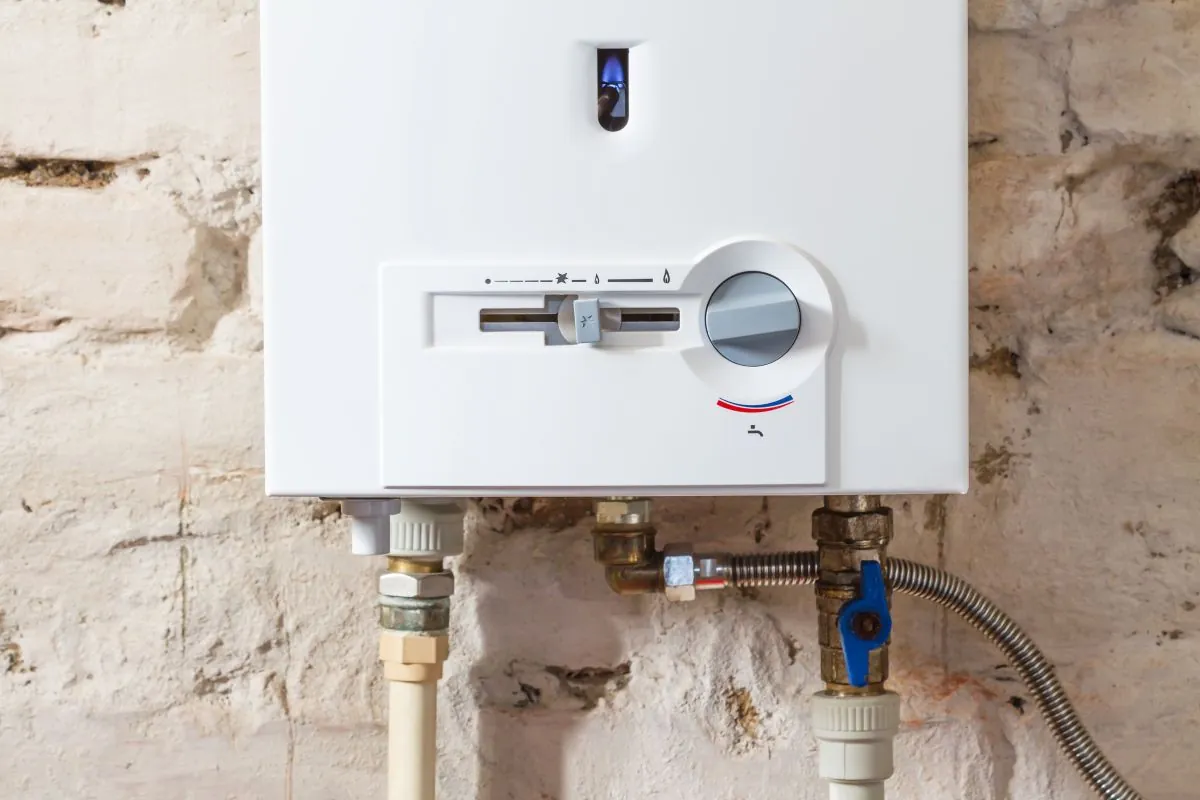
If your heating system is getting older or struggling to keep up during cold weather, you may be considering a gas boiler replacement. Replacing your boiler is a major investment that can improve efficiency, comfort, and long-term reliability. For homeowners in Eagan and surrounding areas, choosing the right gas boiler ensures steady warmth throughout Minnesota’s harsh winters while keeping energy costs under control.
Before jumping into a purchase, it’s important to understand what to look for in a new unit and how to match it to your home’s heating needs. Here’s why careful selection matters:
- Efficiency savings: A properly sized, high-efficiency unit can lower utility bills for years.
- Improved comfort: Consistent, even heating throughout your home.
- Long-term reliability: Investing in the right system prevents early breakdowns and costly repairs.
Let’s review five key tips to help you choose the best gas boiler for your home in 2026.
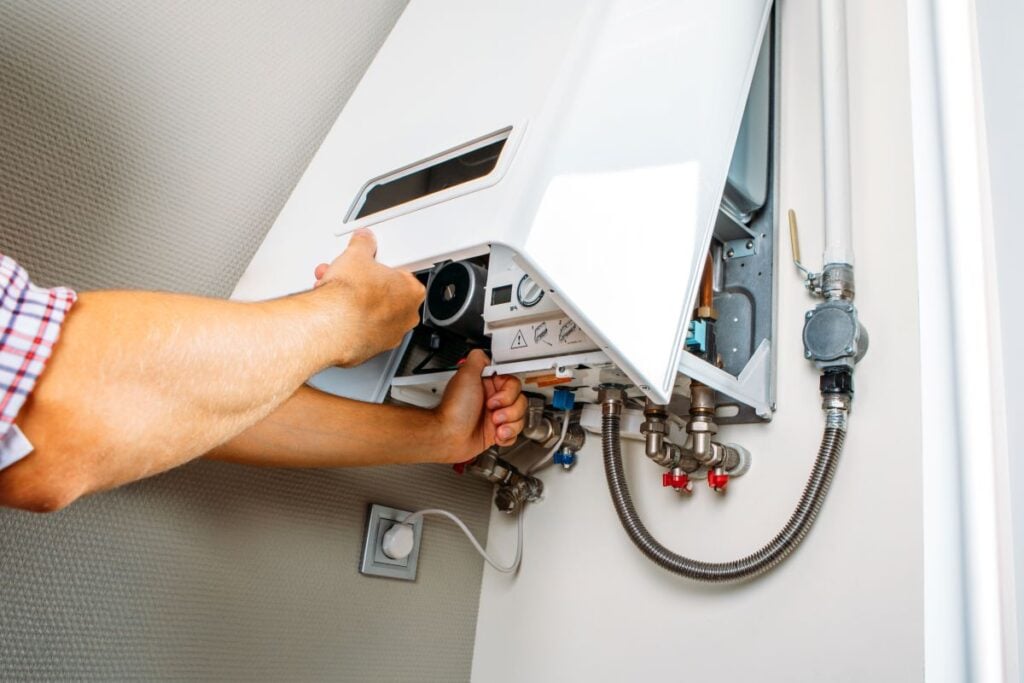
Why a Gas Boiler Replacement Matters
Gas boilers remain one of the most efficient and dependable heating options for Minnesota homes. They provide steady, radiant heat by circulating hot water through pipes, radiators, or in-floor heating systems. Over time, however, even the best boilers lose efficiency due to internal corrosion, scale buildup, or worn components.
When that happens, homeowners notice rising energy bills, uneven heating, and more frequent repairs. A new boiler not only restores comfort but also improves energy efficiency with modern technology like condensing heat exchangers and smart controls.
Replacing your old system before it fails ensures you’ll have reliable heat through the coldest months of the year.
5 Tips to Choose the Best Gas Boiler Replacement
Boiler replacement isn’t just about buying a new model, it’s about selecting the right one for your home, lifestyle, and budget. Here are five tips that will help you make an informed decision and maximize your investment.
1. Choose the Right Boiler Type for Your Home
The first step in any gas boiler replacement is selecting the right system type for your heating setup.
- Conventional boilers: Use a hot water storage tank and are ideal for larger homes with multiple bathrooms.
- Combi boilers: Combine water heating and space heating in one compact unit, great for smaller homes.
- System boilers: Include a built-in expansion tank and pump, offering efficient heating without a separate tank.
Each type has unique benefits, and the right choice depends on your home’s plumbing layout and hot water demand.
2. Prioritize Energy Efficiency
Energy efficiency plays a huge role in both upfront costs and long-term savings. Modern condensing gas boilers achieve up to 95% efficiency by capturing and reusing exhaust heat that older models waste.
- Look for AFUE ratings: Choose models with an Annual Fuel Utilization Efficiency (AFUE) of 90% or higher.
- Check for ENERGY STAR certification: Guarantees compliance with energy-saving standards.
- Consider modulation: Some boilers automatically adjust flame size to match heating demand.
While high-efficiency boilers cost more initially, they often pay for themselves within a few years through lower energy bills.
3. Get the Correct Boiler Size and Output
Boiler size isn’t about physical dimensions—it refers to heating output, measured in BTUs (British Thermal Units).
- Undersized boilers: Struggle to heat your home effectively and may run constantly.
- Oversized boilers: Cycle on and off too frequently, wasting fuel and wearing out faster.
- Professional load calculation: A licensed HVAC technician performs a heat load test to match your home’s size, insulation, and climate.
Choosing the right capacity ensures consistent comfort, better efficiency, and longer equipment life.
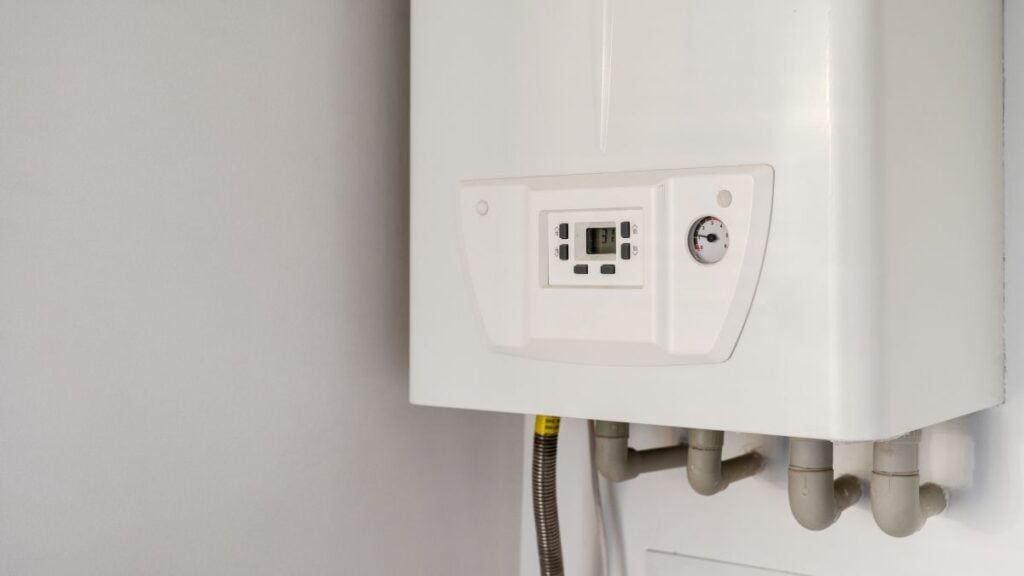
4. Consider Installation Quality and Brand Reputation
Even the best boiler will underperform if it’s installed incorrectly. Professional installation ensures your system operates safely and efficiently from day one.
- Hire certified technicians: Always work with licensed, insured professionals familiar with local building codes.
- Ask about brand options: Reputable brands like Lennox, Bosch, and Navien are known for reliability.
- Review warranties: Look for models that include both parts and labor coverage.
Working with an experienced company like Genz-Ryan ensures precise installation and long-term support for your new boiler system.
5. Plan for Maintenance and Long-Term Care
Regular maintenance keeps your new gas boiler running efficiently and prevents costly repairs.
- Annual inspections: Have your boiler serviced each year before winter begins.
- Flushing and cleaning: Removes sediment and mineral buildup from the heat exchanger.
- Pressure checks: Maintain proper water pressure to avoid circulation issues.
- Smart monitoring: Some newer models include sensors that alert you to performance problems early.
A consistent maintenance plan ensures your boiler delivers peak performance and extends its lifespan.
Average Cost of Gas Boiler Replacement in 2026
The gas boiler replacement cost varies depending on system size, efficiency, and installation complexity. Here’s what homeowners in Minnesota can expect to pay in 2026:
| Boiler Type | Average Installed Cost | Efficiency Range | Ideal For |
| Standard Gas Boiler | $5,000 – $8,000 | 80% – 85% | Smaller homes or tight budgets |
| Condensing Gas Boiler | $7,000 – $12,000 | 90% – 95% | Energy-efficient households |
| Combi Gas Boiler | $6,500 – $11,000 | 85% – 95% | Homes with limited space |
While these estimates provide a general idea, your exact price depends on home size, fuel source, and installation requirements.
Why Gas Boilers Are Ideal for Minnesota Homes
Homes in Eagan and surrounding areas experience long, cold winters that demand reliable heating performance. Gas boilers are particularly well-suited for this climate due to their efficiency and steady radiant heat output.
- Even heating: Hydronic systems provide consistent comfort without dry air.
- Energy savings: Natural gas remains one of the most cost-effective heating fuels.
- Compatibility: Works well with radiant floors and traditional radiator systems.
Replacing an outdated boiler with a modern gas model is one of the best upgrades you can make for comfort and long-term savings.
Signs It’s Time To Replace Your Boiler
If you’re unsure whether your system needs replacement, watch for these common warning signs.
- Frequent repairs: Repeated issues signal internal wear or corrosion.
- Uneven heat distribution: Some rooms stay cold while others overheat.
- Rising bills: Indicates declining efficiency or internal scaling.
- Strange noises: Gurgling, banging, or hissing often point to circulation issues.
- Leaks or rust: Visible corrosion means it’s time for replacement.
Scheduling a professional inspection can confirm whether repairs are still cost-effective or if a new boiler makes more sense.
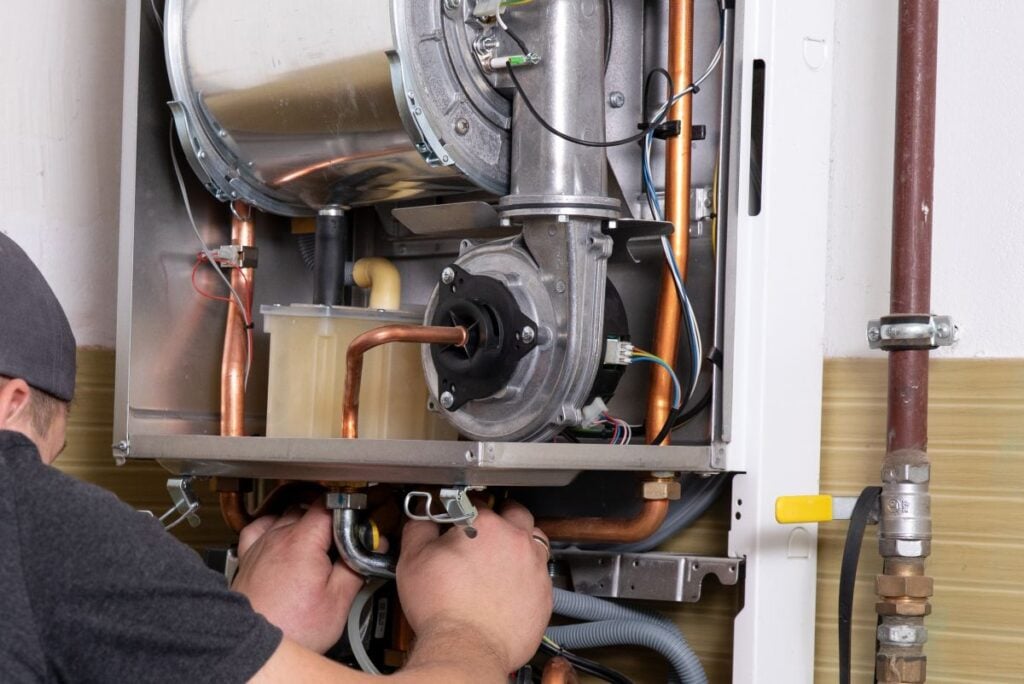
Trust Genz-Ryan for Expert Gas Boiler Replacement
When it’s time for a gas boiler replacement, you deserve a company that understands both your comfort and your investment. At Genz-Ryan, we provide professional guidance, expert installation, and high-quality equipment that ensures long-lasting performance.
Our licensed technicians serve homeowners throughout Eagan and surrounding areas, helping each customer select the ideal boiler for their home’s layout, energy needs, and budget.
Upgrade your comfort and efficiency this year, contact Genz-Ryan today to schedule your gas boiler replacement or request a free quote.

The Genz-Ryan Difference
Experience the trusted service, expert workmanship, and customer-first care that have made Genz-Ryan a Twin Cities favorite since 1950.